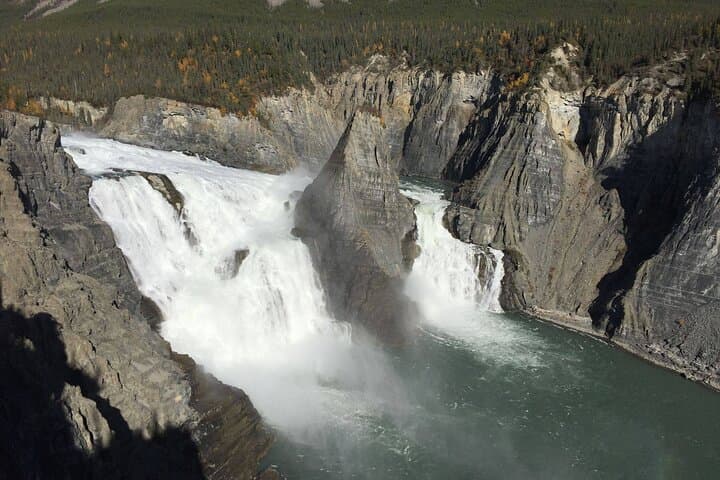
Wilderness Landscape & Natural Heritage
Tuchodi River Park is a wilderness conservation area located in the Muskwa-Kechika Management Area of northeastern British Columbia. The park preserves approximately 100 kilometers of the Tuchodi River and its surrounding ecosystems, featuring steep mountain valleys, pristine alpine meadows, old-growth forests, and rugged terrain. The Tuchodi River itself is a remote, wild river that supports important spawning habitat for wild trout and Arctic grayling, drawing anglers seeking solitude and trophy fish. The park is also critical habitat for a range of wildlife including mountain goats, stone sheep, moose, wolves, and bears. Visitors come here primarily for wilderness hiking, fly fishing, camping, and wildlife viewing; the area’s remoteness ensures a true backcountry experience with limited infrastructure. Access is typically via rugged logging roads or by float plane, making it essential for visitors to be well-prepared and self-sufficient. Historically, the region was used by Indigenous peoples and later by trappers and explorers. The park’s preservation helps maintain the ecological integrity of this part of the Northern Rockies and moderates development pressures. Notable landmarks include dramatic river canyons, remote alpine passes, and archeological sites. Its challenging terrain and absence of marked trails appeal to experienced adventurers and anglers seeking undisturbed natural beauty. Despite its inaccessibility, Tuchodi River Park remains an important conservation area and a pristine example of northern British Columbia’s wild river heritage.