Wilderness Landscape & Natural Heritage
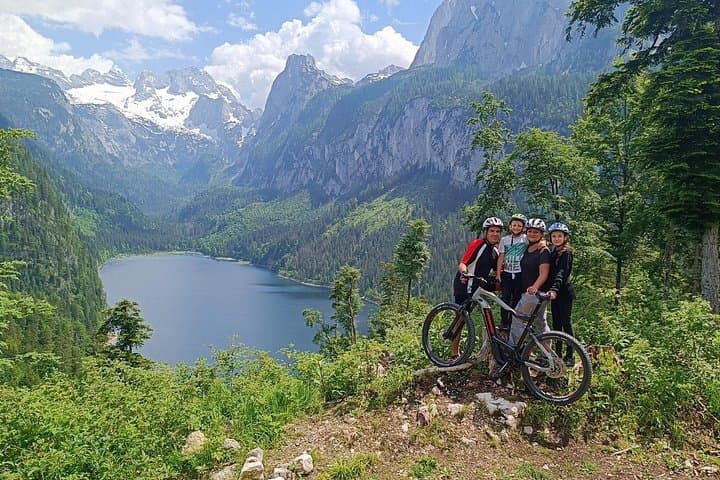
Totes Gebirge National Park, located in the Austrian states of Upper Austria and Styria, encompasses a striking karst mountain range characterized by its vast limestone plateaus, sheer cliffs, and deep sinkholes. The name 'Totes Gebirge' translates as 'Dead Mountains,' reflecting its sparse vegetation and harsh, rocky terrain. Rising to elevations over 2,000 meters, the park features a unique alpine ecosystem marked by talus slopes, alpine meadows, and scattered forested areas dominated by spruce and pine. Rich biodiversity includes chamois, marmots, alpine salamanders, and a variety of rare plants adapted to karst conditions. Established in 1997, the park protects over 120 square kilometers of natural heritage, preserving pristine habitats and classical karst formations such as caves, limestone pavements, and dolines.
Visitors are drawn to Totes Gebirge for its challenging mountain trails, including high ridge routes and adventurous via ferrata climbs. The park is a destination for hikers, climbers, and nature enthusiasts who seek solitude amidst dramatic scenery with panoramic views over the Eastern Alps. Notable landmarks within the park include the Almkogel peak, the Steinernes Meer plateau, and the Traweng mountain range. The karst geology results in limited surface water, creating fragile environments where conservation is critical. The park offers several mountain huts providing shelter and local cuisine. Its rugged beauty and biodiversity make it a prime spot for ecological study and outdoor recreation, appealing to experienced adventurers and wildlife watchers alike.