Wilderness Landscape & Natural Heritage
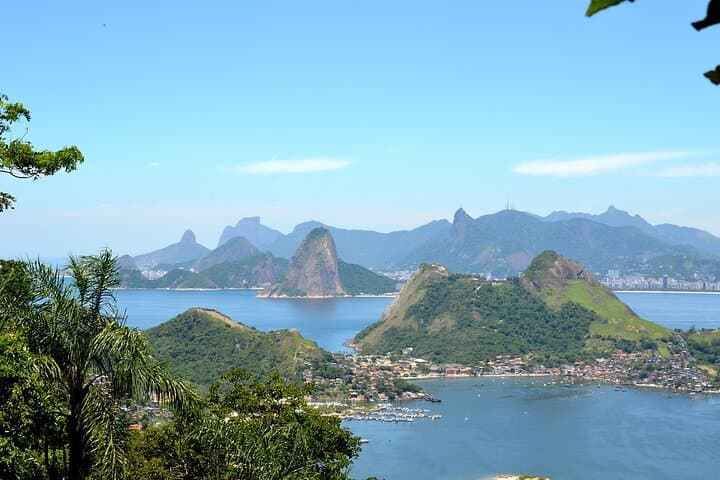
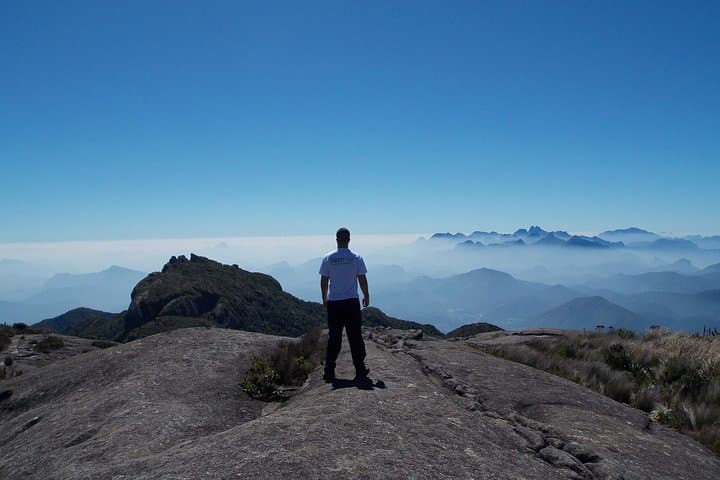
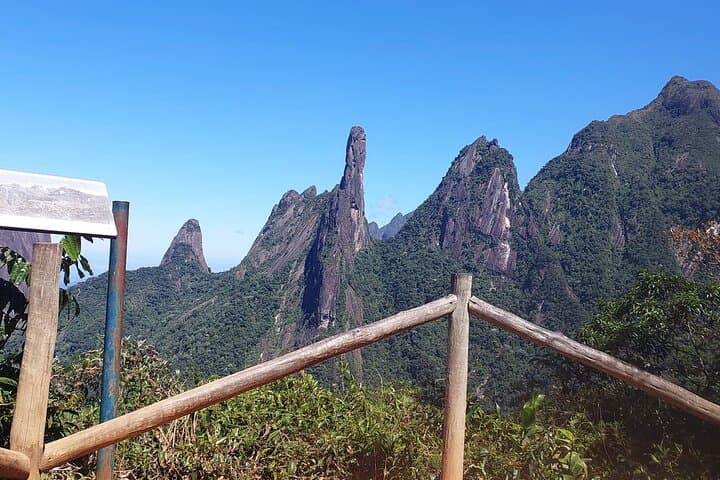
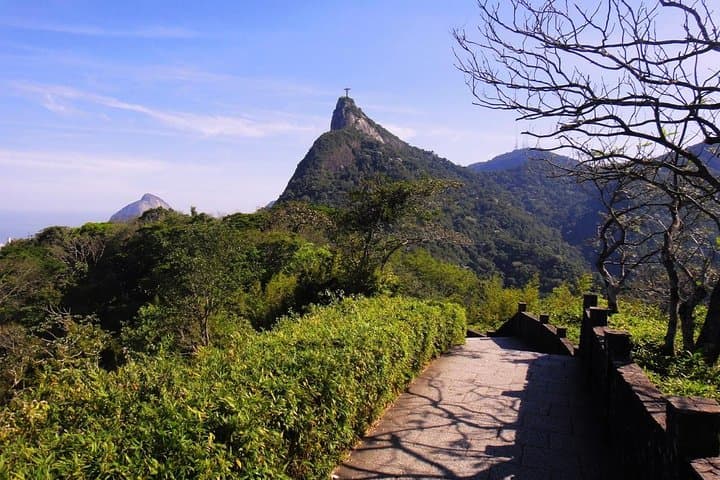
The Tinguá Biological Reserve is located in the Serra do Tinguá mountain range in the state of Rio de Janeiro, Brazil. Established in 1989, the reserve covers a mountainous region characterized by dense Atlantic Forest vegetation, which is considered one of the most endangered biomes in the world. The reserve protects critical watersheds responsible for supplying freshwater to the metropolitan region of Rio de Janeiro, making it essential for both environmental and human wellbeing. The terrain within the reserve features steep slopes, deep valleys, and numerous streams, creating a complex ecosystem that supports a diverse array of flora and fauna. The biological diversity includes various endemic and endangered species of plants, birds, mammals, and amphibians, such as the maned sloth, the golden lion tamarin, and an array of rare orchid species. Tinguá is primarily a conservation area with limited public access; therefore, it offers a unique opportunity for scientific research and environmental education rather than traditional recreation. Hiking in designated areas allows visitors to experience the lush forest and observe native wildlife. The reserve's dense canopy and mountainous topography provide scenic landscapes and a natural setting for birdwatching, photography, and nature study. Facilities inside the reserve are minimal to preserve its pristine condition, and visits are usually conducted through guided tours or authorized educational programs. Its location near urban areas enhances its importance as an ecological preserve and a natural refuge amidst increasing development pressures. The reserve's management focuses on preserving water quality, biodiversity protection, and fostering public awareness about the importance of Atlantic Forest conservation.