Wilderness Landscape & Natural Heritage
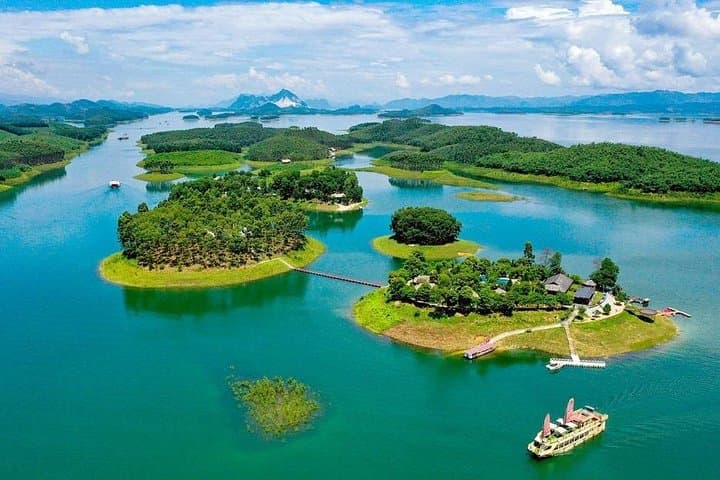
Thác Bà Reservoir was created in the 1960s following the construction of the Thác Bà Dam on the Chảy River, primarily for hydroelectric power generation and flood control. Covering approximately 23,400 hectares (about 58,000 acres), it stands as one of the country's largest reservoirs. The reservoir is situated among the foothills and rugged terrain of northern Vietnam's Yên Bái Province, featuring over 1,300 islands and islets that provide a variety of landscapes including rocky outcrops, forested hills, and sandy shorelines. The ecosystem supports a wealth of freshwater fish species and diverse wildlife, making it important for both biodiversity and local fisheries.
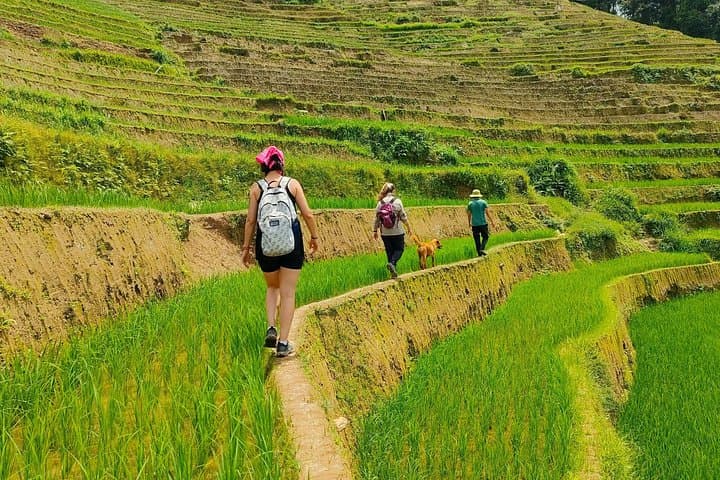
The reservoir and adjacent areas serve as a destination for outdoor enthusiasts seeking activities such as boating, fishing, swimming, and birdwatching. The lake's remote islands and serene waters attract visitors looking for boating excursions or quiet escapes. Additionally, the cultural heritage of the region is evident in nearby ethnic minority communities including the Tay and Dao peoples, whose traditional lifestyles and festivals enrich visitor experiences.
While the area is not a formally designated national park or forest, the Thác Bà Reservoir and its surroundings are managed for sustainable use with emphasis on protecting water quality and natural habitats. Visitors can explore local villages, enjoy scenic views of the reservoir and mountains, and learn about the hydroelectric project that played a crucial role in Vietnam's energy development. The combination of natural beauty, recreational options, and cultural encounters make the Thác Bà Reservoir Area a noteworthy destination in Vietnam’s northern highlands.