Wilderness Landscape & Natural Heritage
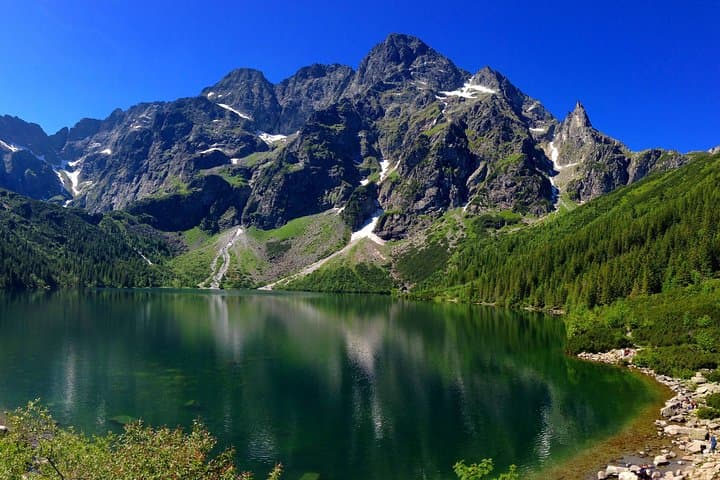
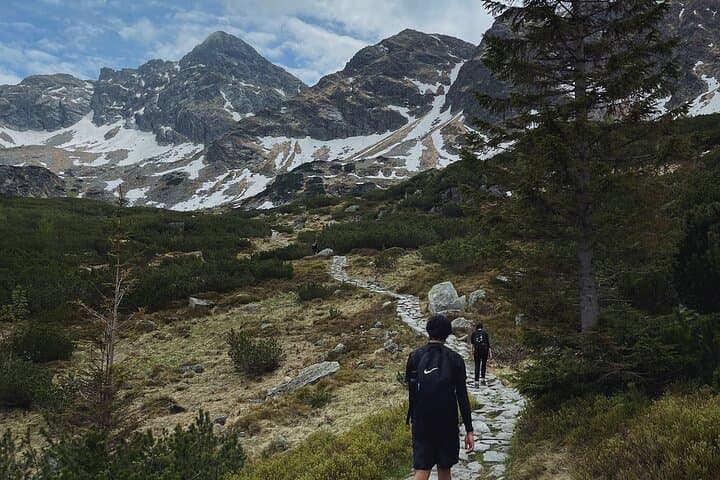
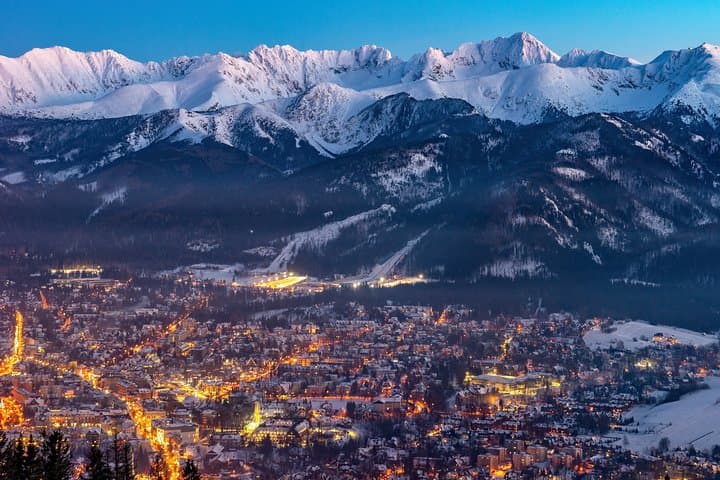
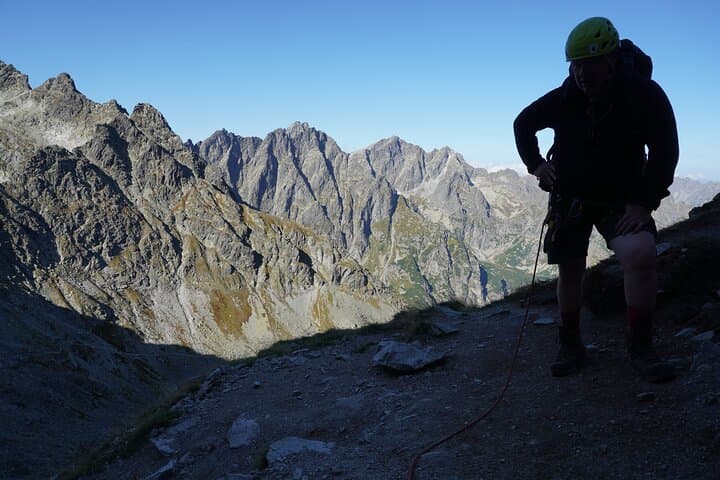
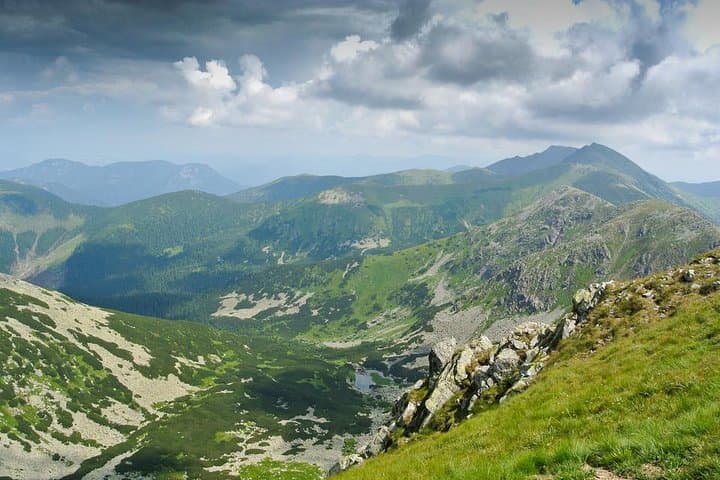
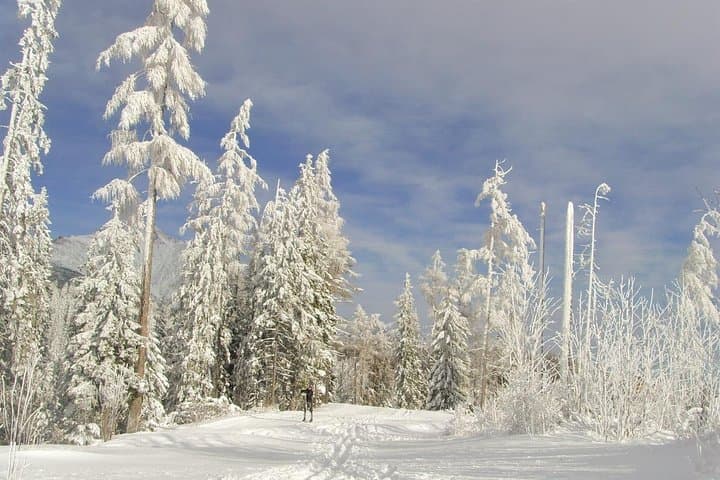
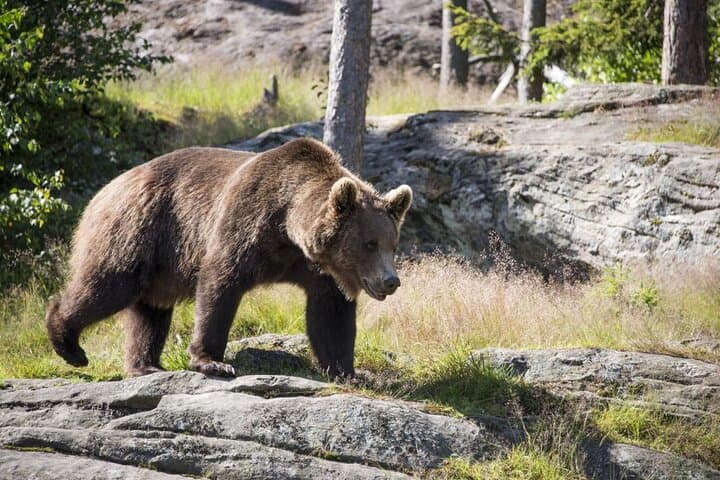
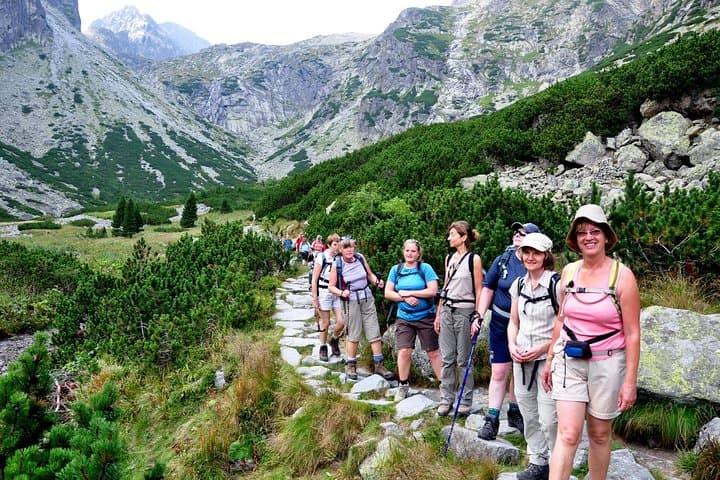
Established in 1949, Tatra National Park (TANAP) encompasses the Slovak part of the High Tatras mountain range, which forms a natural border between Slovakia and Poland. Covering over 73,000 acres, this park contains dramatic peaks, glacial lakes, steep valleys, and dense forests spread across an alpine and subalpine environment. The park’s highest peak, Gerlachovský štít, rises to 2,655 meters (8,711 feet), the tallest in the Carpathians. The area is home to rich biodiversity, including populations of chamois, marmots, red deer, lynx, and the rare Eurasian brown bear. The park’s strict protection zones preserve fragile alpine flora such as endemic species adapted to the extreme conditions. Hiking is the most popular activity, with a network of well-marked trails leading to scenic mountain huts, panoramic viewpoints, and crystal-clear mountain lakes like Štrbské pleso and Popradské pleso. In winter, the area attracts visitors for skiing and snowshoeing. TANAP is also valued for its geological formations, including limestone cliffs, caves, and moraines left by ancient glaciers. The park offers educational programs and operates visitor centers that provide detailed information about the region’s natural and cultural heritage. Its accessibility from nearby towns like Poprad invites both casual tourists and serious outdoor enthusiasts. Visitors are drawn to TANAP for its combination of rugged mountainous terrain, well-maintained infrastructure, and opportunities to observe rare wildlife in a largely undisturbed setting.