Wilderness Landscape & Natural Heritage
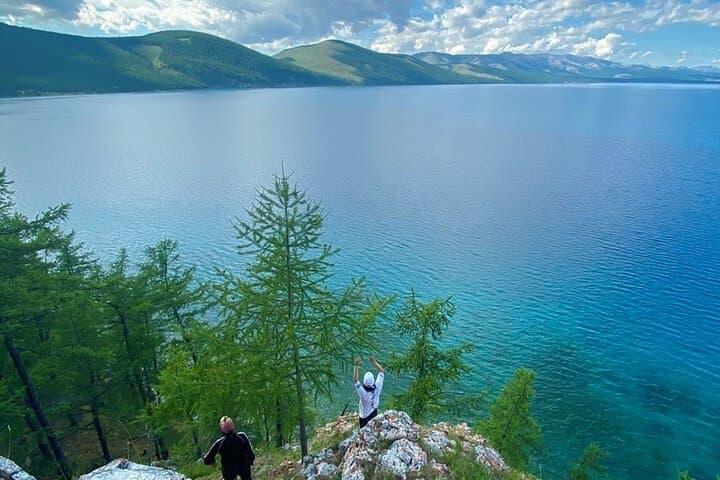
Taimyr Nature Reserve, established in 1979, encompasses over 1.5 million hectares on the Taimyr Peninsula in northern Siberia, Russia. It is one of the northernmost nature reserves in the world and protects an extensive Arctic tundra ecosystem characterized by permafrost, polar deserts, and tundra wetlands. The reserve’s geography includes low mountain ranges, river valleys, and extensive lakes, with the Byrranga Mountains forming a rugged backdrop. The region experiences polar climate conditions with long, harsh winters and brief, cool summers.
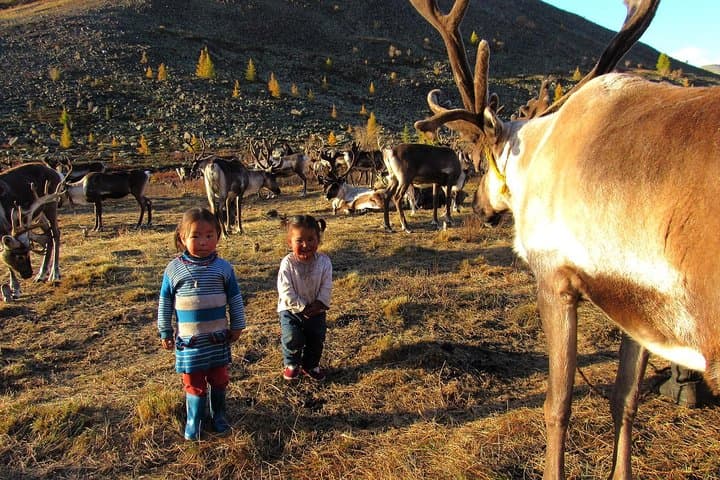
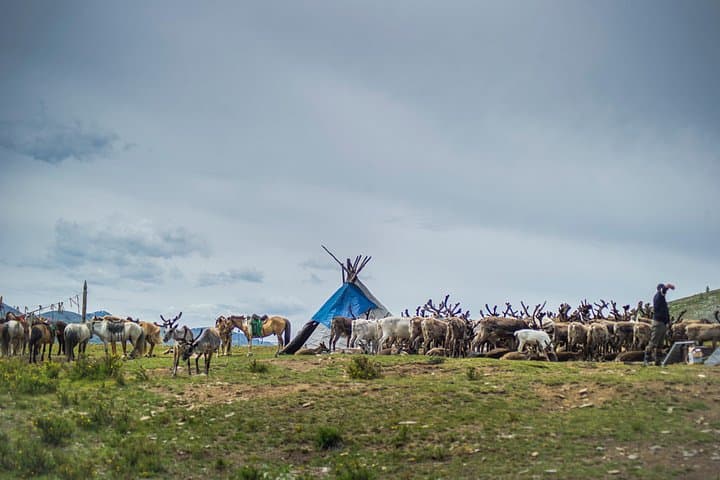
Ecologically, Taimyr is critically important as a breeding ground for vast colonies of migratory birds, including the rare Siberian crane, Ross's gull, and several species of geese and swans. It also supports populations of reindeer, Arctic foxes, wolverines, and the endangered wild reindeer of the Taimyr herds. The aquatic ecosystems feed in the Yenisei River basin, one of Asia’s major river systems.
Historically, the reserve was created to conserve the unique Arctic biodiversity and to facilitate ecological research. It remains a remote and strictly protected area with limited access, mainly permitting scientific expeditions.
For outdoor enthusiasts, the reserve offers unparalleled opportunities for wildlife viewing, birdwatching, and experiencing untouched Arctic wilderness. However, access is highly regulated, and there are no developed visitor facilities or traditional recreational activities like hiking trails or campgrounds. Taimyr is valued primarily for conservation and scientific study, appealing to specialists and adventurous explorers seeking extreme northern nature.