Wilderness Landscape & Natural Heritage
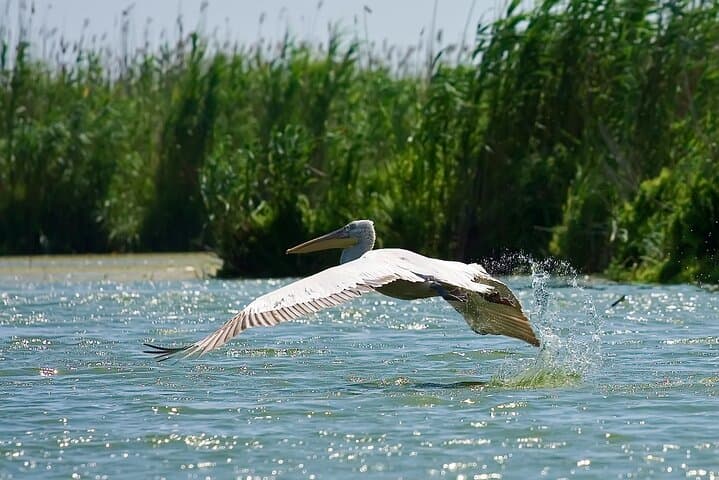
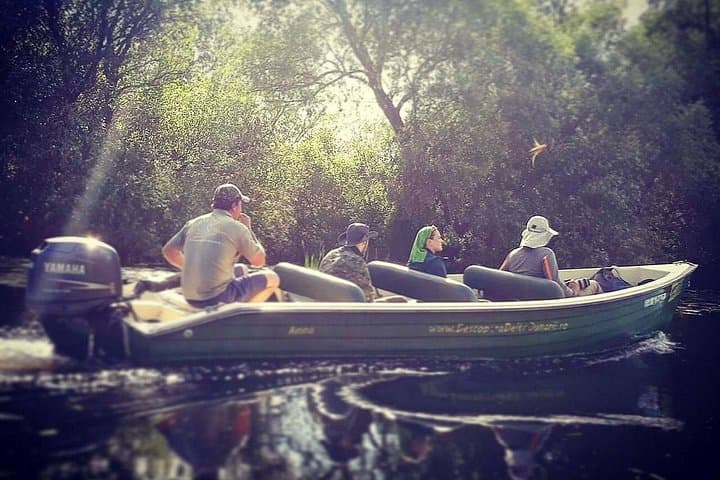
The Syvash Wetlands, located along the eastern coast of the Crimean Peninsula bordering the Sea of Azov, form one of the largest complexes of shallow, hypersaline lagoons in Europe. Covering tens of thousands of hectares, this wetland complex features a mosaic of lagoons, salt pans, marshes, and mudflats dominated by highly saline waters, giving rise to strikingly red-colored algal blooms during warmer months. The unique salinity gradients support rare halophytic (salt-tolerant) plant communities and are crucial breeding and feeding grounds for numerous migratory and resident bird species, including flamingos, pelicans, and herons. The area's geography is characterized by its low-lying, flat terrain and seasonal water level fluctuations tied to wind and hydrological influences from the Sea of Azov and the nearby Syvash strait. Historically, Syvash Wetlands have been valued for salt extraction since ancient times and have seen fluctuating human impacts due to agricultural development and industrial uses nearby. Today, conservation efforts focus on protecting the wetland’s biodiversity and ecosystem services amid regional geopolitical complexities. Outdoor enthusiasts visiting Syvash Wetlands can engage primarily in birdwatching, nature photography, and guided ecological tours; the extremely saline environment limits typical recreational water sports but offers a distinctive natural spectacle with vast interconnected water bodies and dramatic seasonal changes. While there are no developed campgrounds within the wetland itself, nearby towns offer access points and accommodations. The remote and sensitive nature of the wetlands invites visitors to tread lightly, respecting its fragile habitat and unique ecological character.