Wilderness Landscape & Natural Heritage
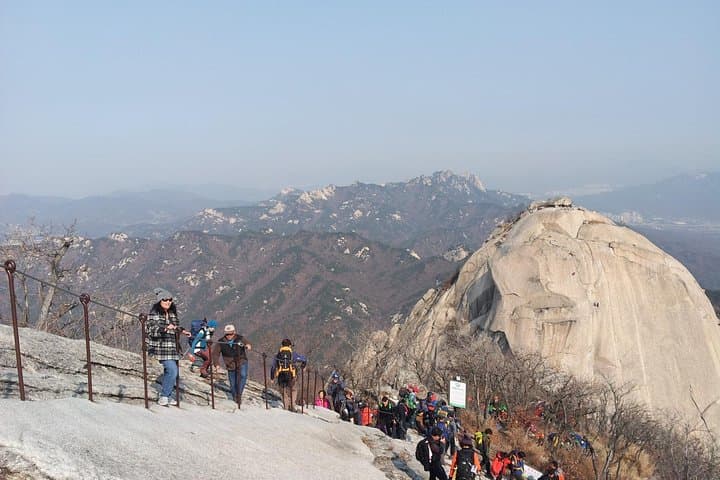
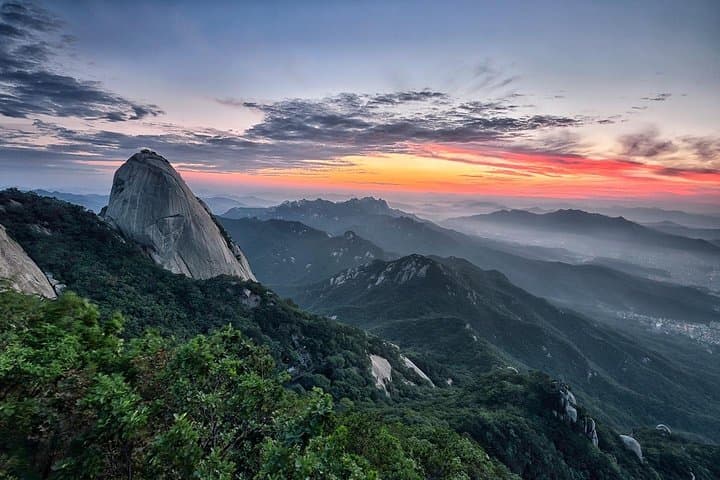
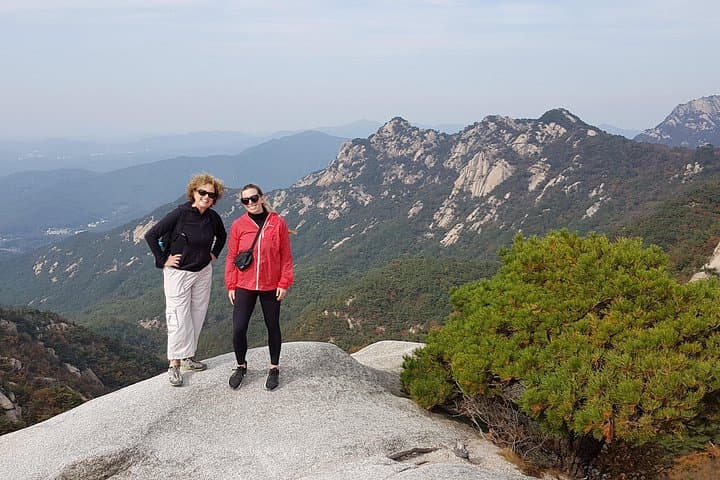
Suraksan Provincial Park is a mountainous protected area located in Gyeonggi-do province, near the northern outskirts of Seoul, South Korea. The park revolves around Suraksan Mountain, which rises to an elevation of approximately 637 meters, providing a natural escape from the urban environment. The park’s geography is defined by steep granite peaks, rock formations, cliffs, and dense deciduous forests. Suraksan is ecologically significant with diverse habitats supporting various flora such as Korean pine, oak species, and an understory rich in shrubs and wildflowers, as well as fauna like squirrels, birds, and insects.
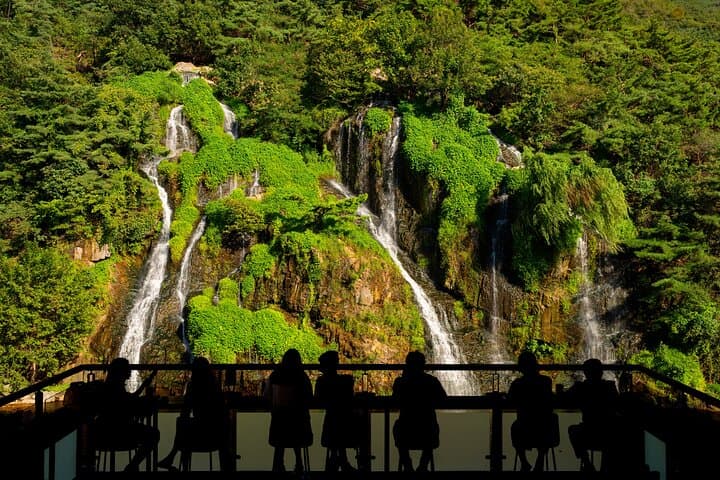
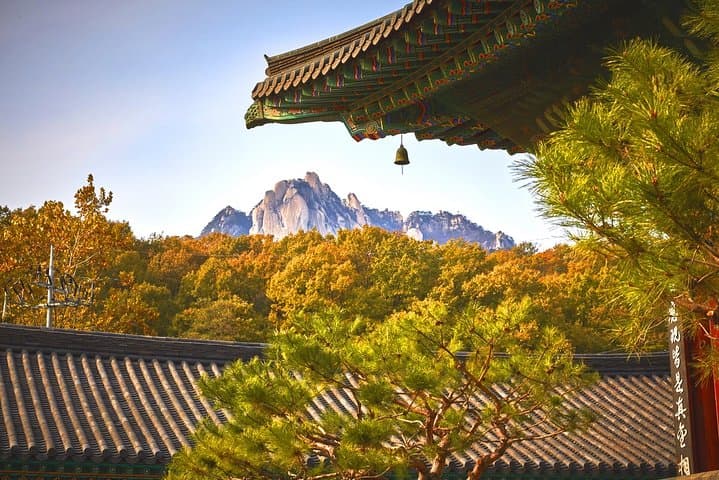
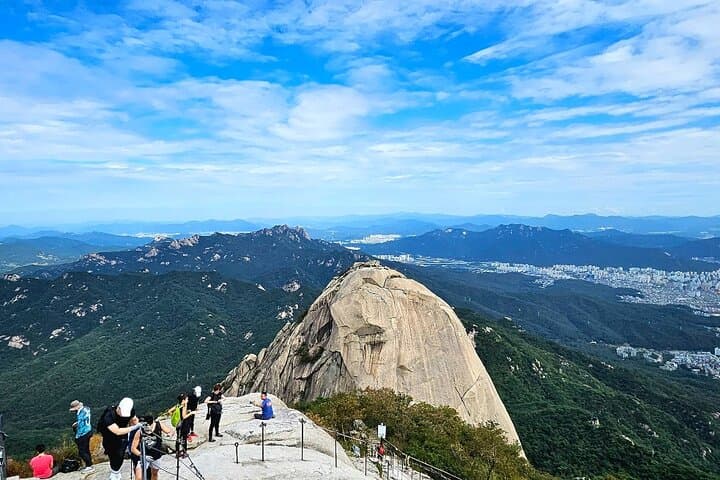
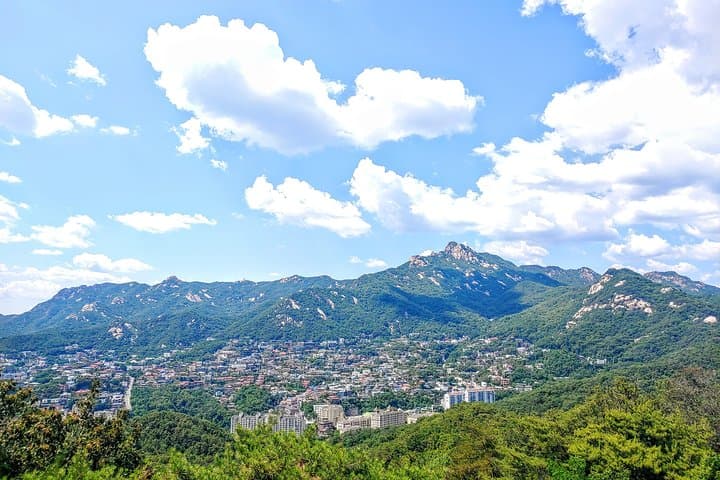
Historically, the area contains cultural relics, including Buddhist temples such as the historic Heungguksa Temple, and stone Buddha carvings embedded in rock faces, indicating its longstanding spiritual importance. The park’s trails cater to a broad range of hikers, from moderate paths favored by families to challenging ascents for more experienced climbers. One notable attraction is the suspension bridge spanning one of the park’s valleys, offering thrilling views and photo opportunities. Additionally, several waterfalls and rock formations add to the park’s natural beauty. Many visitors appreciate the panoramic views over northern Seoul and the surrounding region from the summit, especially at sunrise or sunset.
Suraksan serves as a key recreational area for residents and visitors seeking hiking, nature observation, and cultural exploration near the metropolitan area. Its relatively accessible location makes it a popular choice for day trips. The park also contributes to regional conservation efforts by protecting important forest ecosystems and maintaining a green buffer zone against urban sprawl.