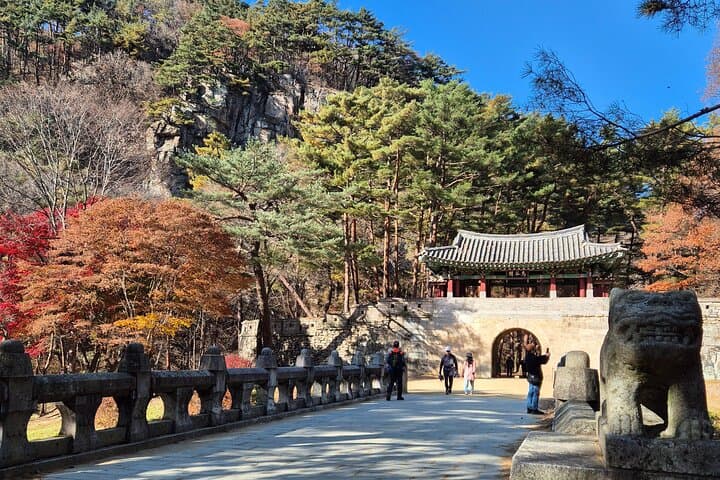
Wilderness Landscape & Natural Heritage
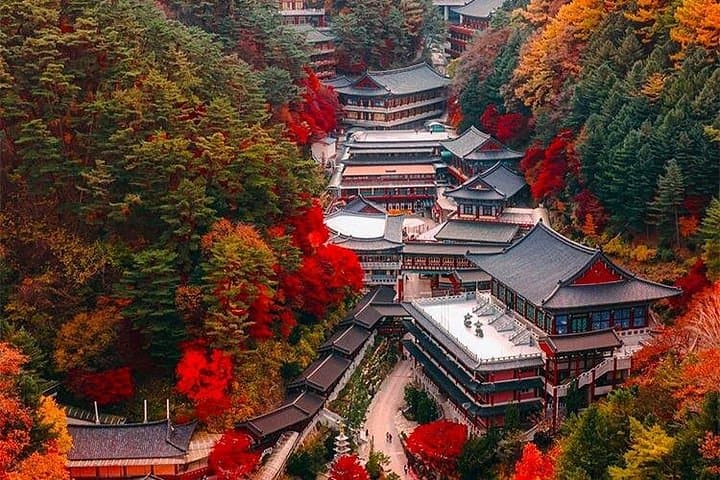
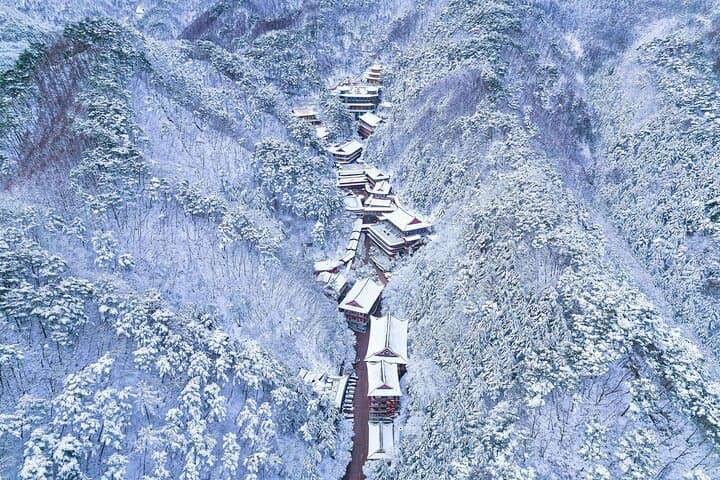
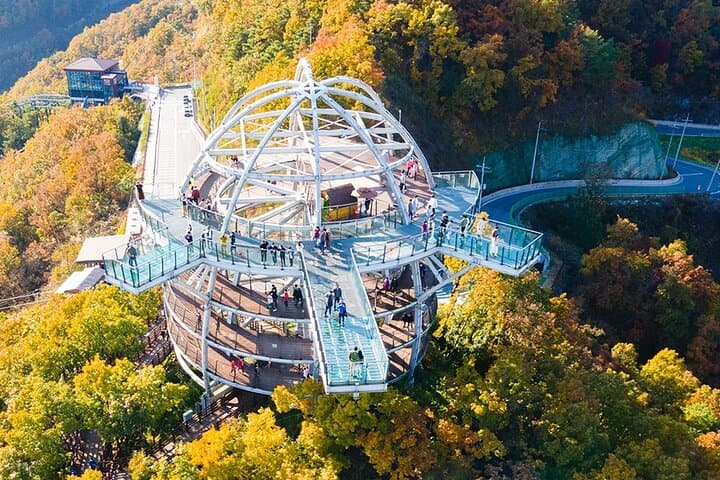
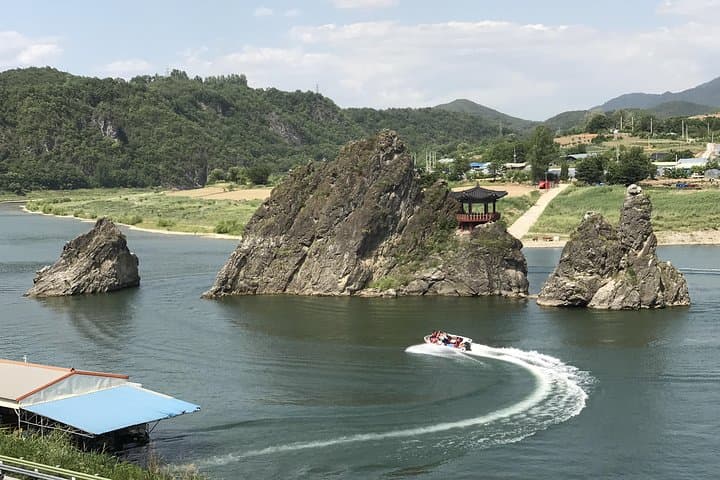
Located in the central mountainous region of South Korea, the areas adjacent to Sobaeksan National Park extend the park's ecological and recreational value across the Sobaek mountain range. This region encompasses rugged mountain ridges, dense temperate forests, and clear streams characteristic of the larger park environment. Elevations range from approximately 500 meters to over 1,400 meters, with Sobaeksan Peak itself standing at 1,439 meters nearby. The adjacent landscape plays a complementary ecological role, harboring mixed deciduous and coniferous forest communities that provide habitat for numerous Korean flora and fauna, including rare species such as the Korean goral and Asiatic black bear. Historically, the mountain range served as a natural barrier influencing cultural and economic exchanges. For outdoor enthusiasts, the adjacent areas offer access to lesser-known trails that connect to the main park, quieter camping spots, and natural springs. Notable landmarks include scenic ridgelines, panoramic viewpoints, and culturally significant Buddhist temples nestled in valleys. Visitors are drawn by the opportunity to explore South Korea’s wilder interior away from the more crowded park zones, with a mix of moderate to challenging hikes, serene natural environments, and seasonal wildflower blooms. The adjacency fosters expanded conservation efforts and enriches the ecotourism appeal of the Sobaeksan region.