Wilderness Landscape & Natural Heritage
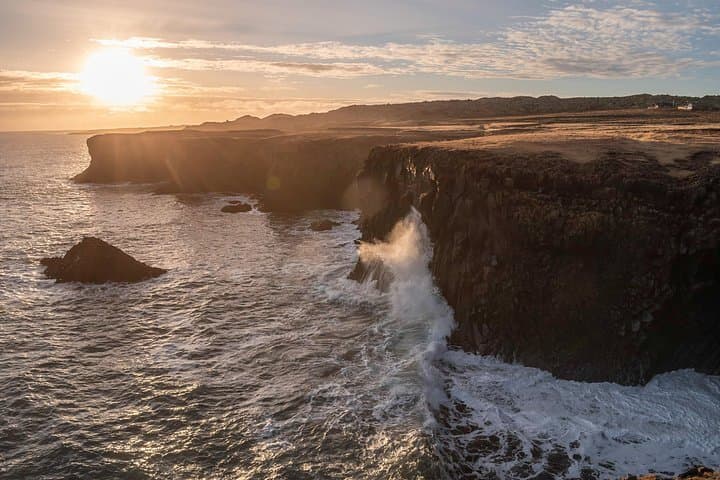
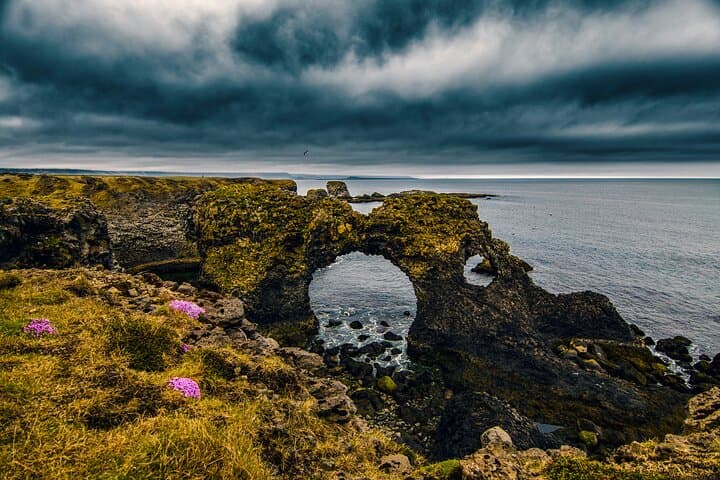
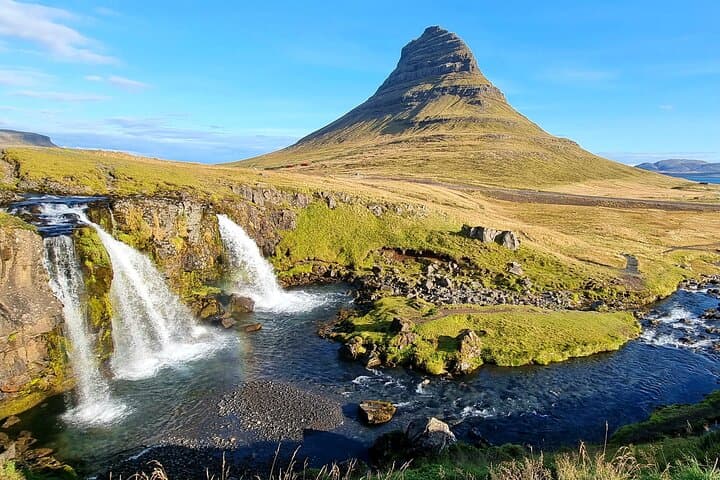
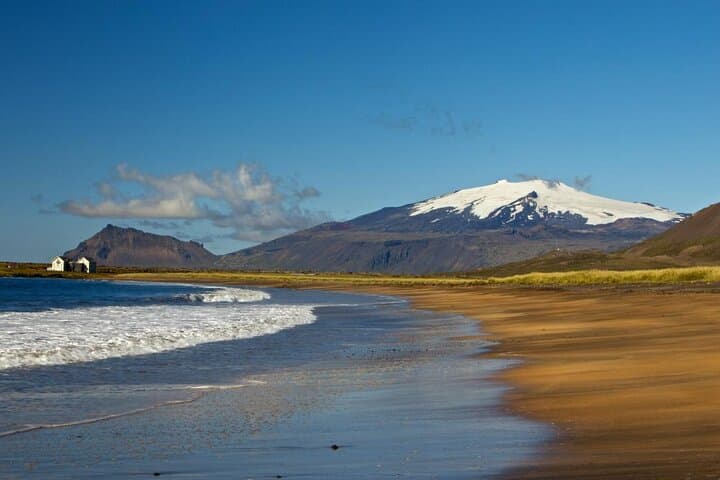
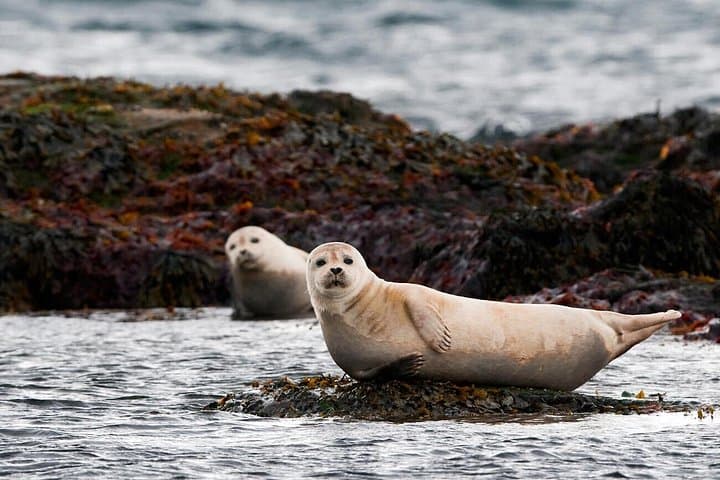
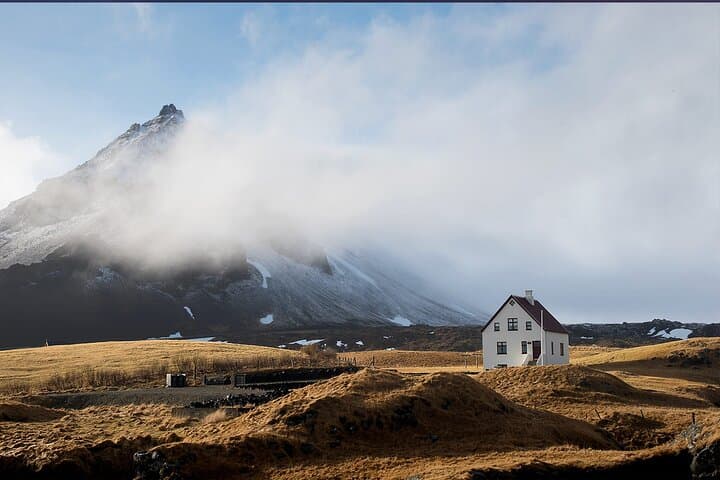
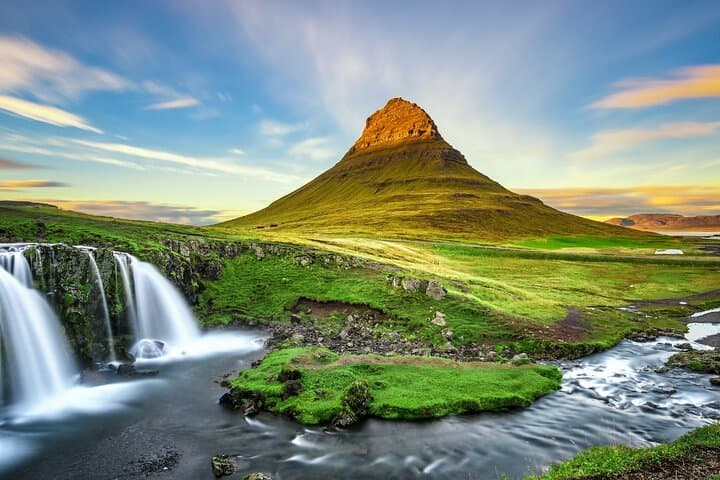
Snæfellsnes National Park is located on the western tip of Iceland’s Snæfellsnes Peninsula and covers an area of approximately 170 square kilometers. The park's centerpiece is Snæfellsjökull, a glacier-capped volcano that rises 1,446 meters above sea level and inspired Jules Verne's "Journey to the Center of the Earth." The park's geography includes lava fields, black sand beaches, rugged cliffs, and basalt columns, creating a striking blend of geological formations shaped by volcanic and glacial activity. Diverse wildlife inhabits the park, including seals, Arctic foxes, and numerous seabird species. The park's coastal waters are known for rich marine life, and whale watching tours often depart from nearby towns.
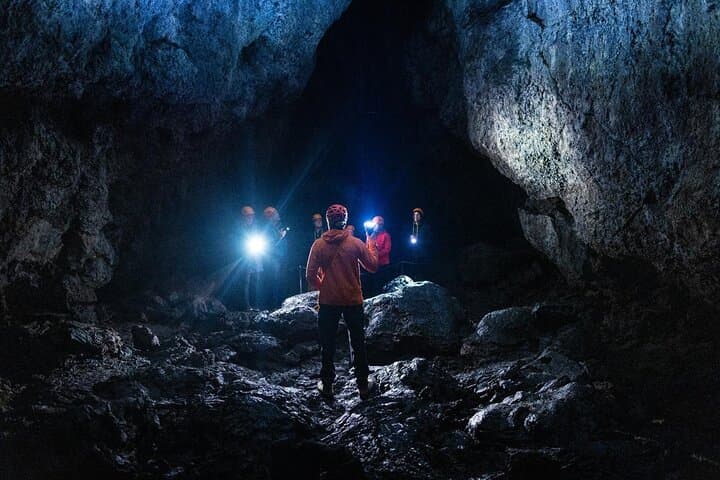
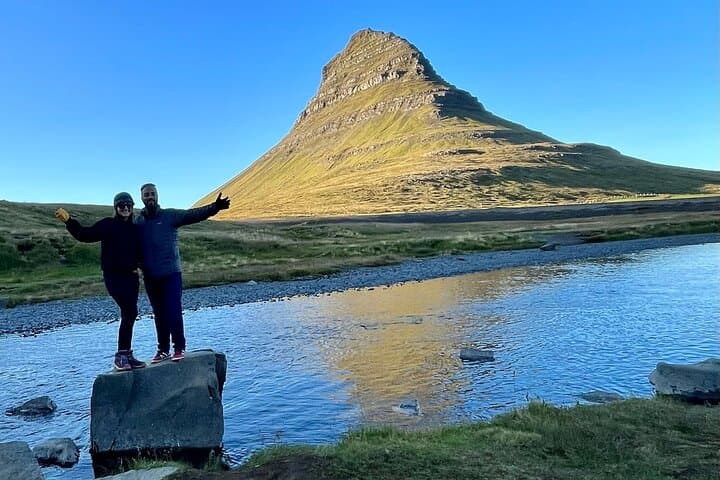
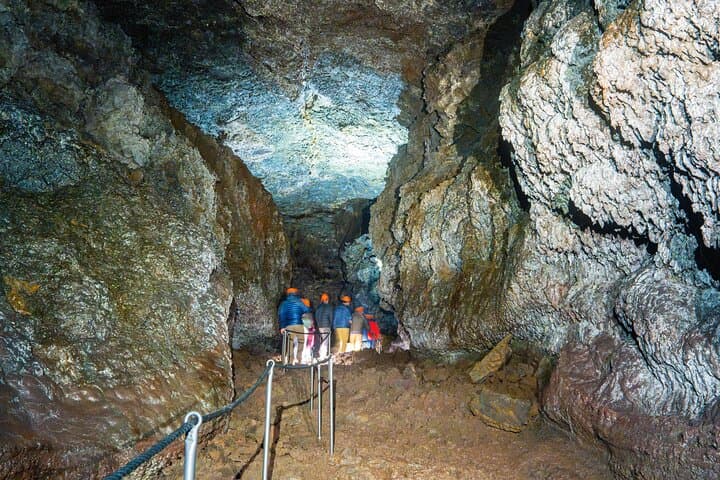
Historically, the area has been inhabited for centuries and holds cultural significance tied to Icelandic folklore and sagas. Visitors can experience a variety of outdoor activities such as hiking, birdwatching, fishing, and exploring lava tubes. Some of the most notable landmarks besides Snæfellsjökull include Djúpalónssandur black pebble beach, the fishing village of Arnarstapi with its dramatic sea cliffs, and the volcanic crater Saxhóll. The park offers accessible trail systems and viewpoints, providing visitors a chance to experience the remote beauty and unique geology of Iceland's west coast. The combination of natural diversity, history, and recreational opportunity makes Snæfellsnes National Park a popular destination for nature lovers and outdoor enthusiasts.