Wilderness Landscape & Natural Heritage
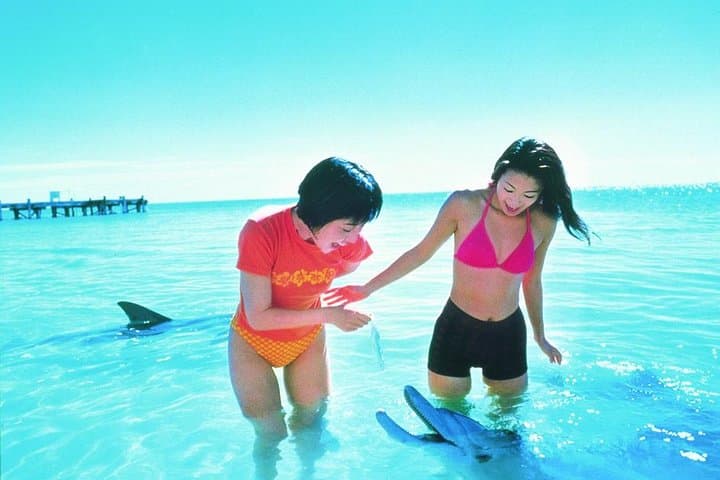
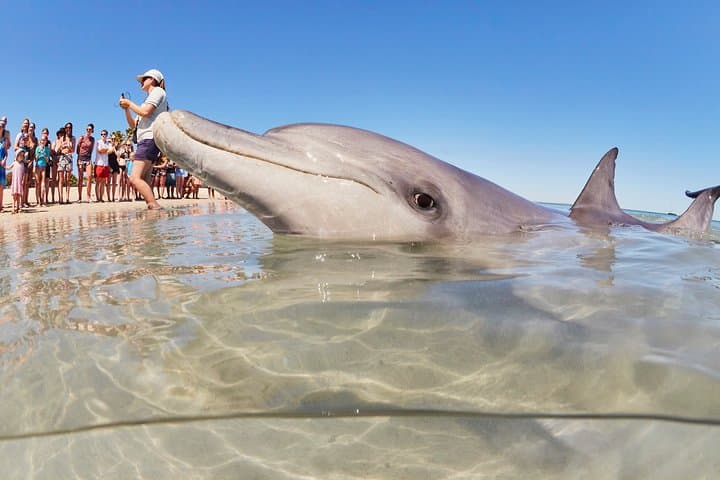
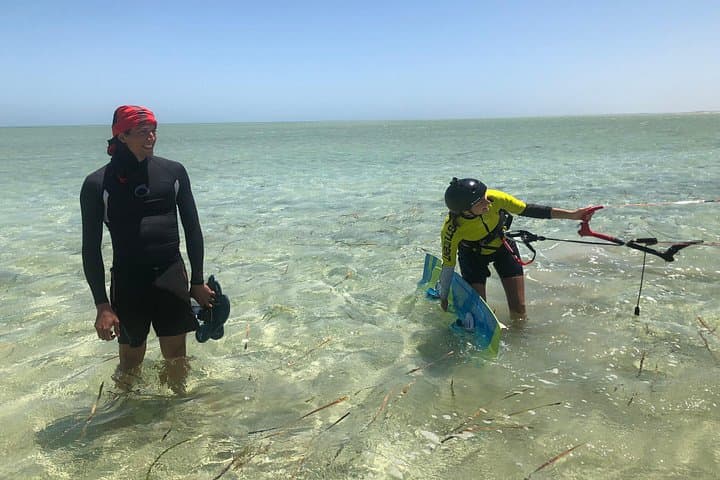
Shark Bay National Park is located on the western coast of Australia, encompassing the Shark Bay World Heritage area renowned for its outstanding natural values. The region covers a vast expanse of marine and terrestrial habitats, including the famous Hamelin Pool, which houses some of the world's oldest living fossils—marine stromatolites—offering a glimpse into early life on Earth. The park's crystal-clear waters and expansive seagrass meadows support the largest known population of dugongs, a vulnerable marine mammal species. The bay also shelters diverse marine life such as dolphins, turtles, and various shark species, alongside rich birdlife on nearby islands. The park's geography includes sandy beaches, rocky outcrops, and salt flats, set against a backdrop of arid scrubland. Historically, Shark Bay has been a focal point for Indigenous groups, with archaeological sites revealing ancient occupation. European explorers charted the region in the 17th century, and today it balances conservation, scientific research, and sustainable tourism. Outdoor enthusiasts can engage in snorkeling, diving, fishing, wildlife viewing, and scenic boat tours. Notable spots include Monkey Mia, famous for friendly dolphin encounters, and Shell Beach, made up entirely of tiny white shells extending for several kilometers. Visitors are drawn by exceptional opportunities to observe marine animals in their natural environment combined with striking coastal scenery, making Shark Bay National Park a significant destination for both nature lovers and researchers alike.