Wilderness Landscape & Natural Heritage
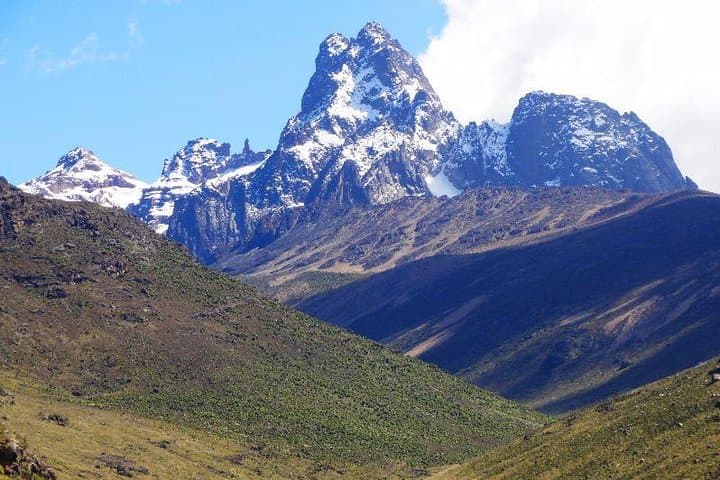
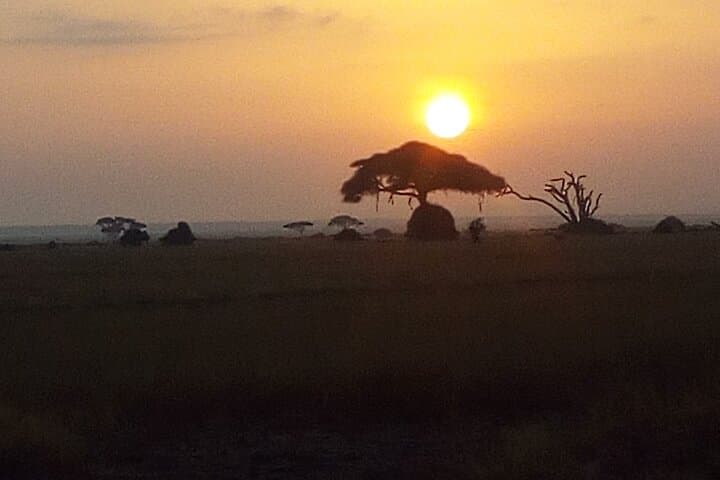
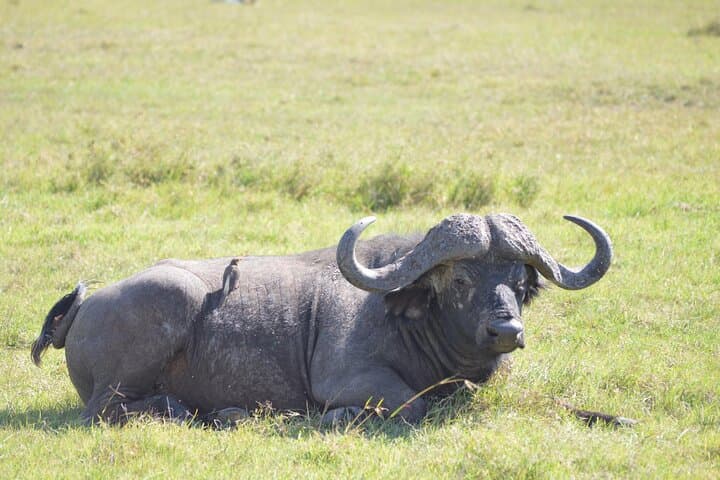
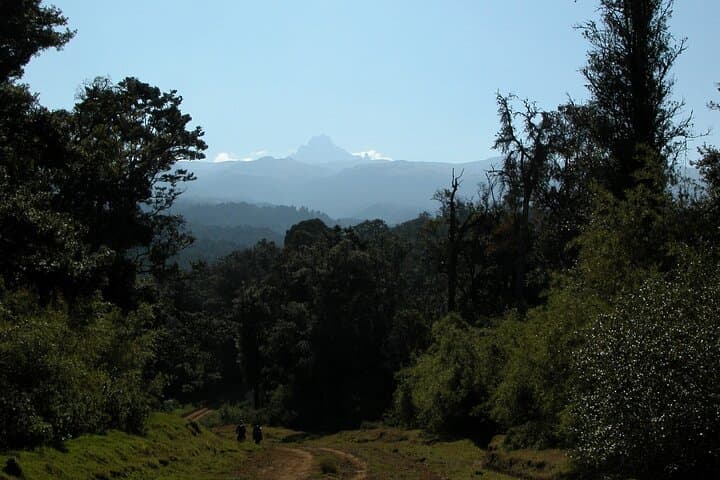
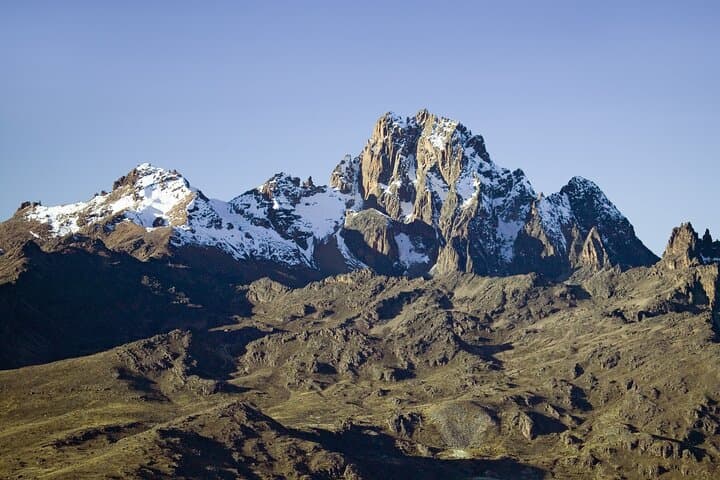
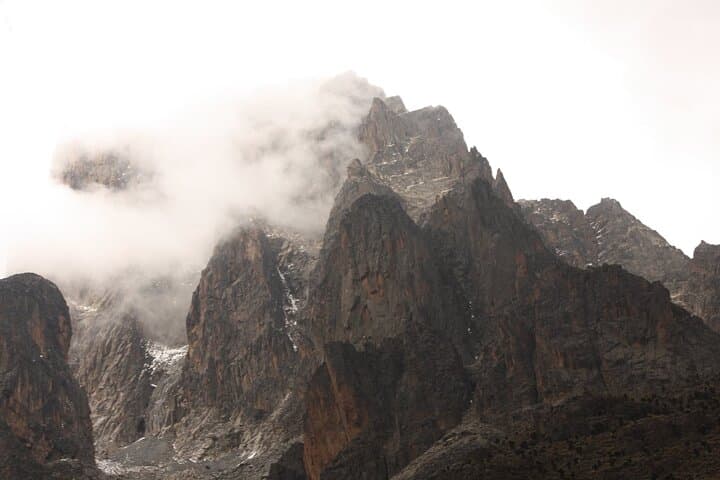
Shaba National Reserve covers approximately 246 square kilometers in Kenya’s arid northern region, along the banks of the Ewaso Ng’iro River. Characterized by a combination of open savannah plains, riverine forests, rocky outcrops, and active volcanic soils, the reserve supports a wide variety of flora and fauna adapted to dry and semi-arid conditions. Established in 1974 to protect the unique biodiversity of the Northern Frontier, Shaba lies adjacent to the Samburu and Buffalo Springs National Reserves, collectively creating a larger conservation area often referred to as the 'Northern Frontier Group'. The reserve is home to uncommon species such as the gerenuk, Grevy's zebra, reticulated giraffe, and Somali ostrich, many of which are rarely seen outside northern Kenya. Birdlife is also abundant with over 400 species recorded. Visitors to Shaba enjoy guided game drives, walking safaris, and riverine exploration along the Ewaso Ng’iro, where hippos and crocodiles are commonly sighted. Key landmarks include the prominent Mukutan Gorge and the rugged volcanic hills that form distinctive landscape features. Shaba’s relative isolation compared to better-known parks makes it ideal for travelers seeking fewer crowds with authentic wildlife encounters. The reserve operates through controlled tourism and cooperates closely with local communities to foster wildlife protection while supporting sustainable livelihoods. The dry season from June to October is considered the best time to visit for wildlife viewing due to easier access to water points. Overall, Shaba National Reserve offers an uncommercialized safari experience with high conservation value and striking northern Kenya landscapes.