Wilderness Landscape & Natural Heritage
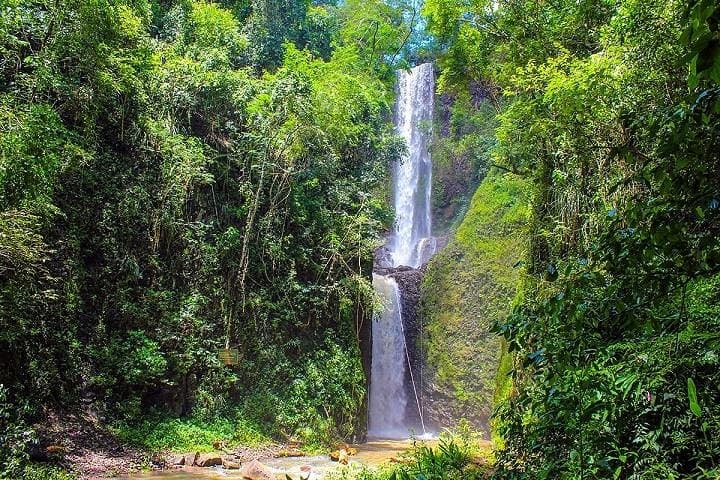
Serra da Canastra National Park encompasses approximately 71,525 hectares of rugged landscapes located in the state of Minas Gerais, Brazil. Established in 1972, the park protects a large portion of the Canastra mountain range, which forms part of Brazil's Brazilian Highlands. The park's distinctive geography features high plateaus, steep cliffs, deep valleys, and clear rivers, including the notable São Francisco River’s headwaters. The altitude ranges from about 800 to 1,400 meters, where grasslands, cerrado vegetation, and rocky outcrops dominate the ecosystem. The park serves as a critical refuge for many endemic and endangered species such as the maned wolf, giant anteater, and various rare birds like the Brazilian merganser. Visitors are drawn to the park's scenic waterfalls, including the impressive Casca d’Anta Falls, which drops about 186 meters becoming one of the park’s iconic landmarks. Hiking is the primary recreational activity, with trails crossing diverse ecosystems and offering stunning views. Other outdoor activities include wildlife observation, photography, and swimming in natural pools. The park’s remoteness enhances its appeal to eco-tourists seeking unspoiled nature, although local infrastructure remains simple, mainly centered around the nearby entrance towns of São Roque de Minas and Delfinópolis. Serra da Canastra is also significant for its cultural heritage, including traditional farming and cheese production in the region. The park's combination of natural beauty, ecological importance, and outdoor opportunities makes it a key destination for those exploring Brazil’s interior wilderness.