Wilderness Landscape & Natural Heritage
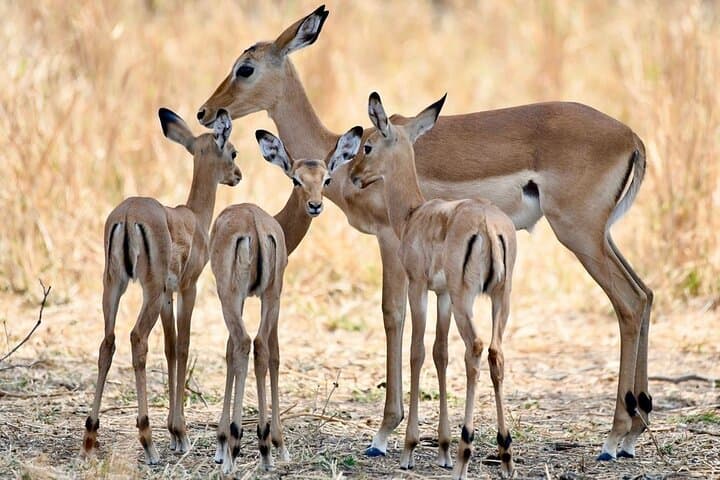
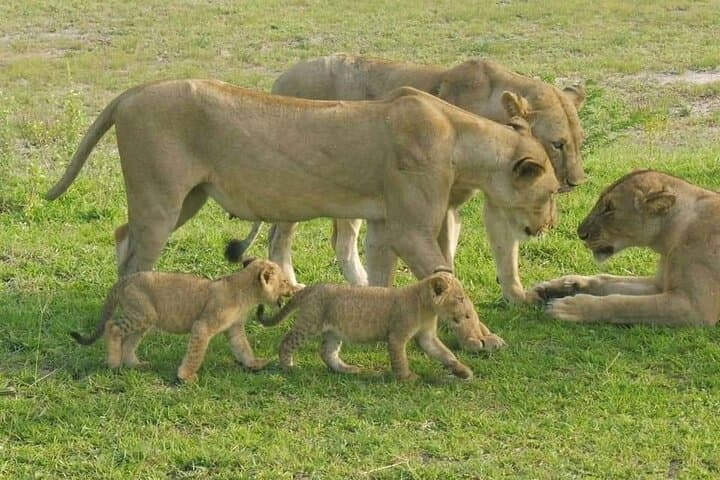
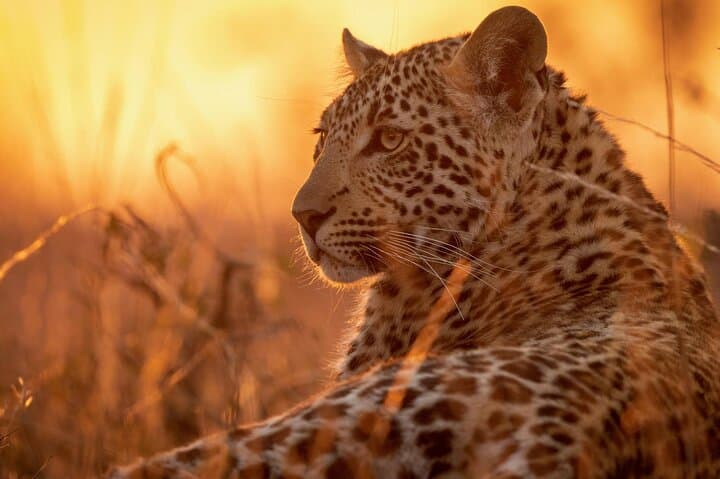
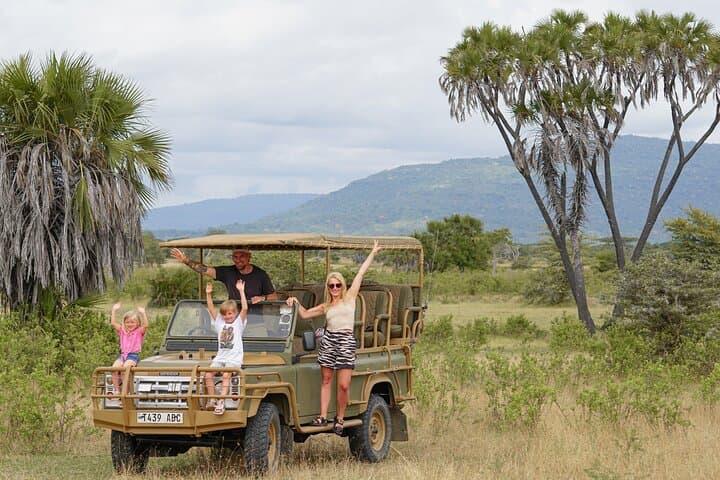
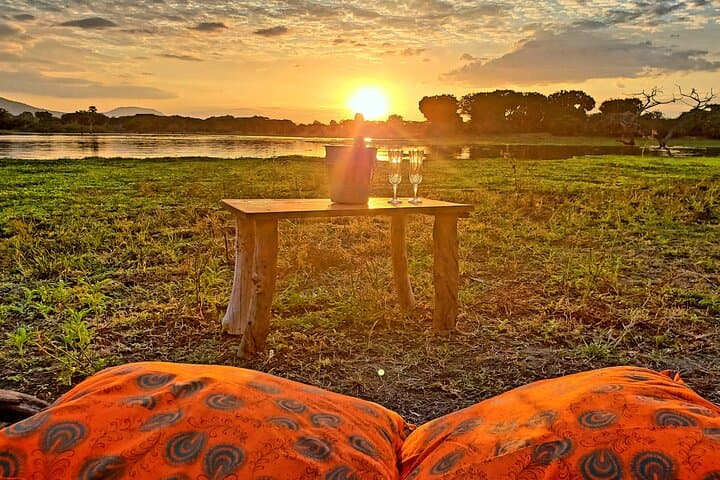
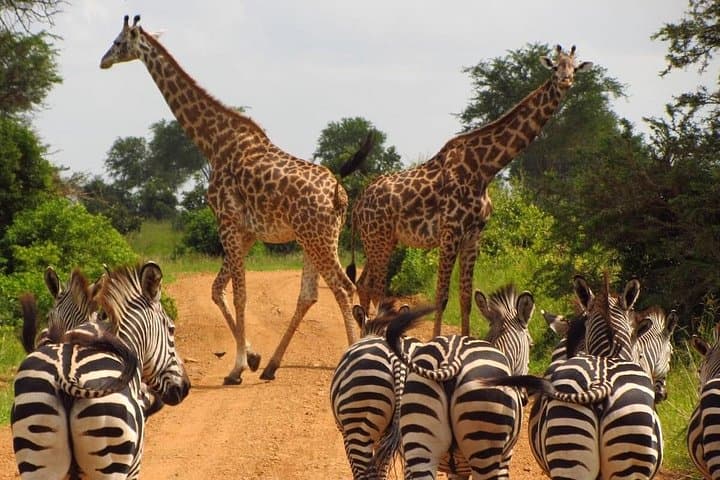
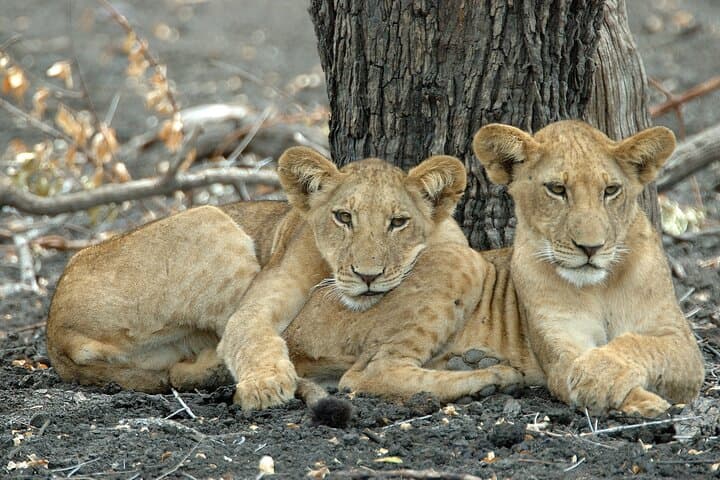
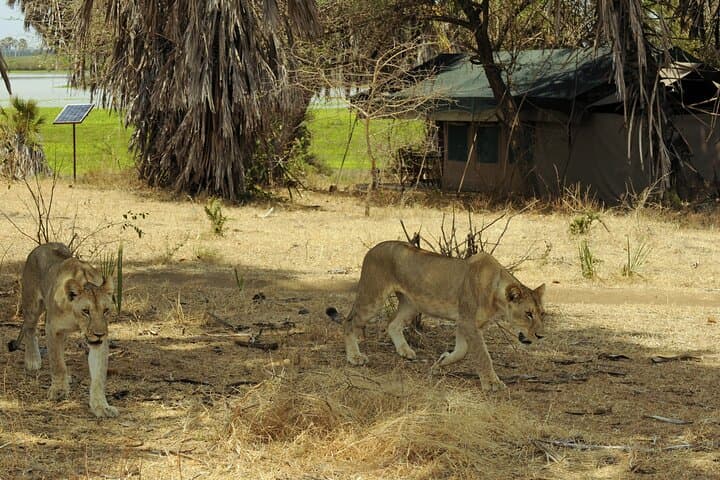
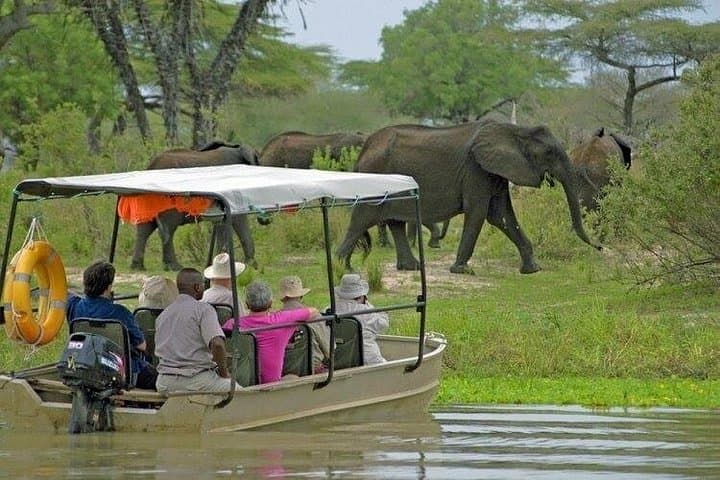
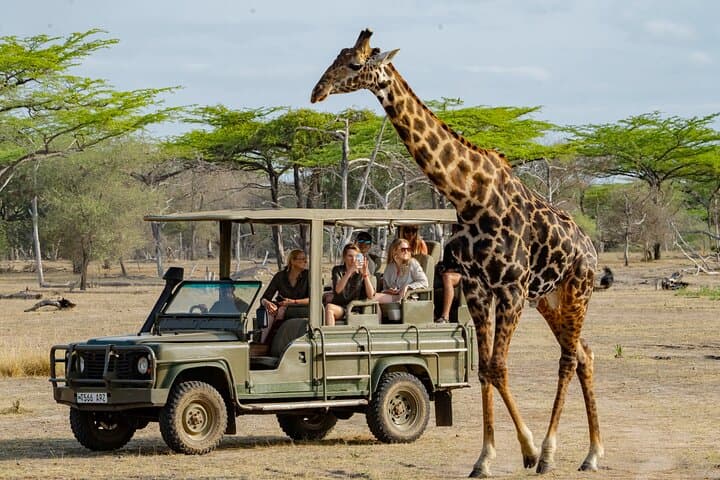
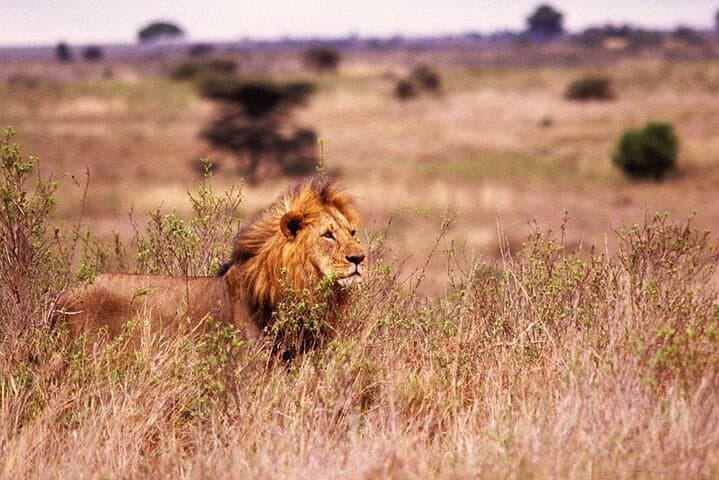
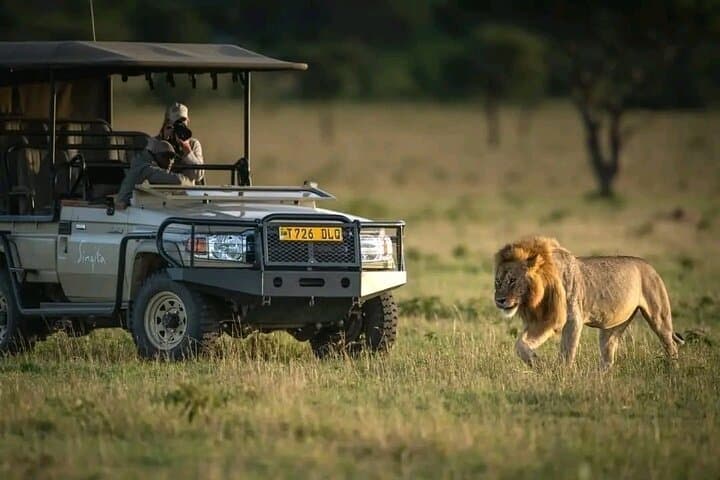
Selous Game Reserve, located in southern Tanzania, spans over 50,000 square kilometers, making it one of the largest faunal reserves in the world. The reserve’s diverse landscape includes vast miombo woodlands, wetlands, riverine forests, and savannah, largely shaped by the Rufiji River system that runs through it. Selous is home to a remarkable array of wildlife including large populations of elephants, African wild dogs, lions, leopards, hippos, crocodiles, and an abundance of bird species. Established in 1922, the reserve was designated a UNESCO World Heritage Site in 1982 for its protection of significant wildlife populations and their habitats. Visitors can enjoy a range of outdoor activities such as guided game drives, walking safaris, boat safaris on the Rufiji River, and photographic expeditions. The reserve’s relatively low density of tourists compared to other Tanzanian parks provides a more remote and authentic wilderness experience. Notable landmarks within Selous include the Rufiji River, known for its hippo pods and crocodiles, and the vast open plains that offer dramatic game sightings. Conservation efforts focus on combating poaching and maintaining the balance between eco-tourism and wildlife protection. Its remote location demands careful planning, but rewards visitors with breathtaking scenery and unparalleled wildlife encounters.