Wilderness Landscape & Natural Heritage
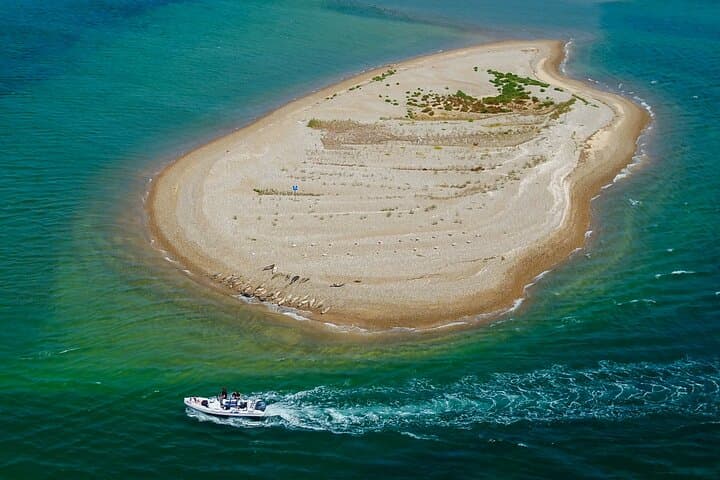
Located off the coast of Norfolk, England, Scolt Head Island is a long, narrow sand and shingle barrier island stretching approximately 8 miles (13 km) in length. It lies between the North Sea and The Wash estuary and forms part of the North Norfolk Coast Area of Outstanding Natural Beauty (AONB). The island is characterised by vast dunes, salt marshes, beaches, and reed beds that support a wide range of wildlife. Managed by the Norfolk Wildlife Trust, it serves as a National Nature Reserve and a prime site for seabird breeding, including species such as ringed plovers, little terns, and sandwich terns. The reserve also hosts grey seals, especially around the winter pupping season, adding to its conservation value and visitor appeal.
Historically, the island has formed from the natural deposition of sediments, shaped by tides and storms, providing a dynamic example of coastal geomorphology. With limited access via a seasonal foot ferry from the nearby village of Blakeney on the mainland, the island remains one of the more undisturbed habitats in the region.
Visitors are drawn to Scolt Head Island for walking along its extensive beaches, wildlife watching, particularly bird and seal spotting, and experiencing the solitude of an undeveloped natural landscape. The reserve has no facilities or permanent residences, emphasizing low-impact, nature-focused recreation. Its remote, peaceful environment and exceptional natural beauty make Scolt Head Island a treasured coastal nature reserve in the UK.