Wilderness Landscape & Natural Heritage
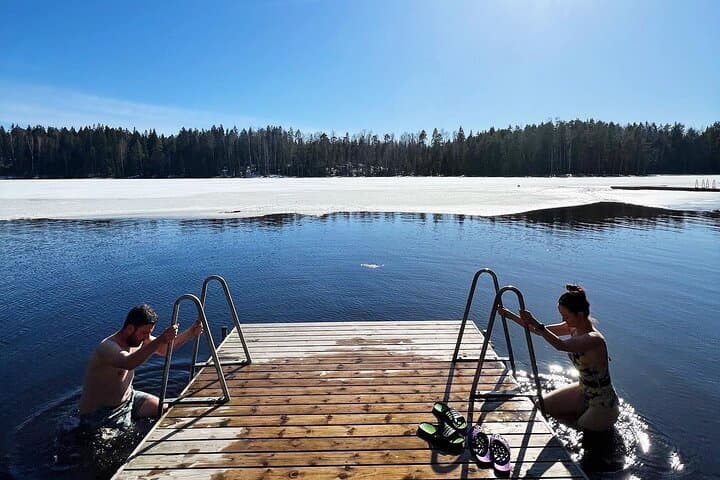
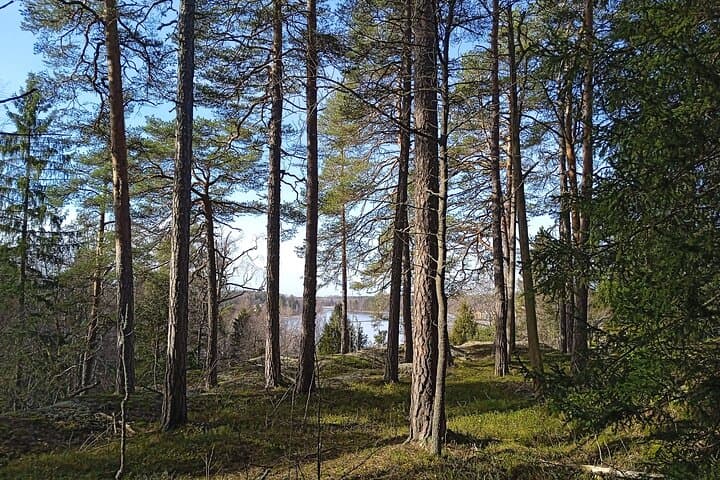
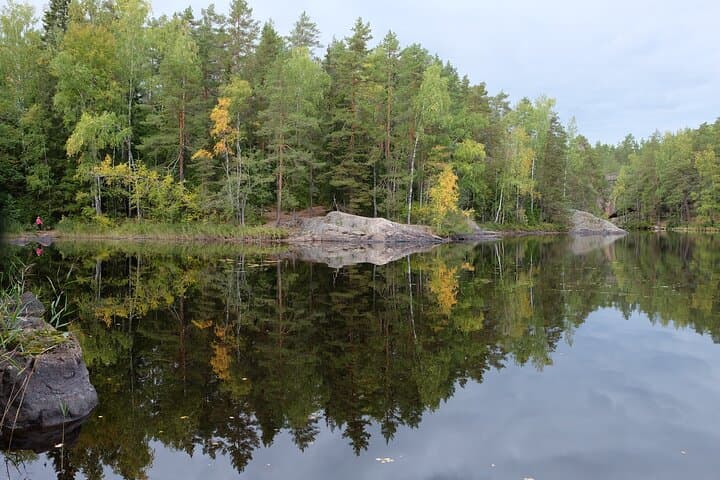
The Salpausselkä Ridge is a prominent ridgelike terminal moraine formed at the end of the last Ice Age, stretching over 600 kilometers across Southern Finland from the Gulf of Finland towards eastern parts of the country. This natural formation is composed mainly of sand and gravel, forming distinct steep slopes, eskers, outwash plains, and kettle holes. The ridges act as important hydrological divides in the region, influencing the formation of lakes and river systems. Ecologically, Salpausselkä supports mixed forests dominated by pine, spruce, and birch, providing habitat for an array of bird species, mammals, and diverse undergrowth. Parts of the ridge are designated as Natura 2000 protected areas due to their environmental significance and biodiversity.
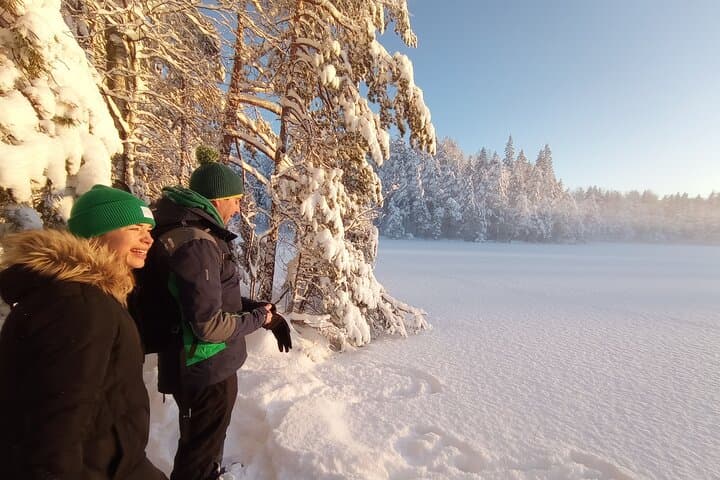
Historically, the ridge has shaped settlement patterns and transportation routes in Southern Finland, as its high and well-drained terrain was preferred for building and navigating. Outdoor enthusiasts visit Salpausselkä for hiking along its ridges, cross-country skiing in winter, mountain biking, birdwatching, and exploring glacial landforms. The ridge also features several nature trails and interpretive paths explaining its geological origin and ecological importance. Notable landmarks include the Salpausselkä Hills in Lahti, various kettle hole lakes such as Lake Vesijärvi, and the geological museums showcasing local glaciation history. Its proximity to towns like Lahti and Kouvola makes it accessible for day trips and extended wilderness experiences. The ridge’s scenic vistas and quiet forests appeal to visitors interested in both natural history and outdoor recreation.