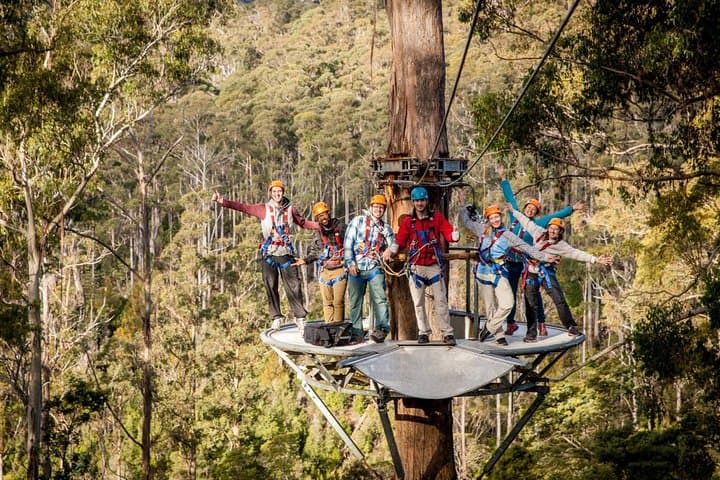
Wilderness Landscape & Natural Heritage
Rubicon Estuary lies on the northern coast of Tasmania, Australia, where the freshwater of the Rubicon River meets the Bass Strait, forming a significant estuarine ecosystem. This protected area is internationally recognized under the Ramsar Convention as a Wetland of International Importance, primarily for its role as a habitat for numerous waterbirds and migratory species. The estuary encompasses tidal mudflats, saltmarsh vegetation, and coastal dunes that together create a productive environment supporting diverse flora and fauna. It serves as a critical feeding and breeding ground for numerous bird species including curlews, pied oystercatchers, and various migratory shorebirds that arrive seasonally from as far away as Siberia and Alaska. The surrounding areas feature open farmland, patches of coastal heathland, and wetlands that support both aquatic and terrestrial wildlife. Recreation opportunities include birdwatching, photography, walking along the shoreline, and ecological study. Visitors often come to witness the large flocks of waders during migration seasons and to enjoy the peace of natural coastal landscapes. Nearby historical sites reflecting early European settlement and Indigenous heritage complement the natural experience. Visitor appeal stems from the estuary’s ecological significance, tranquility, and ease of access from nearby towns. Conservation efforts focus on protecting water quality, managing invasive species, and preserving habitats crucial for breeding and feeding of key bird populations.