Wilderness Landscape & Natural Heritage
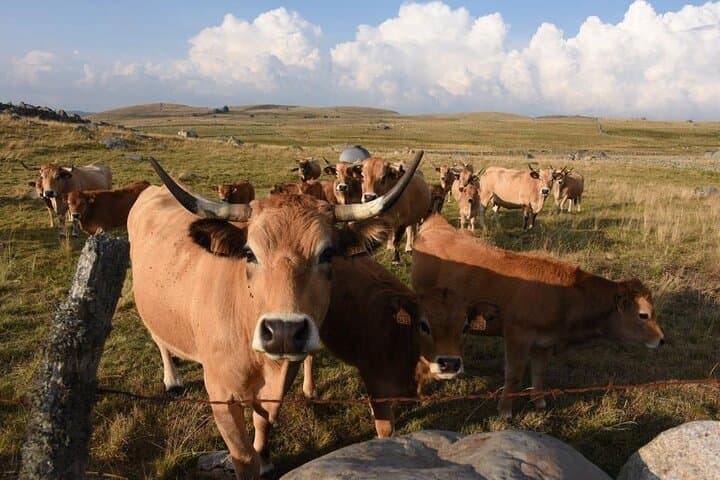
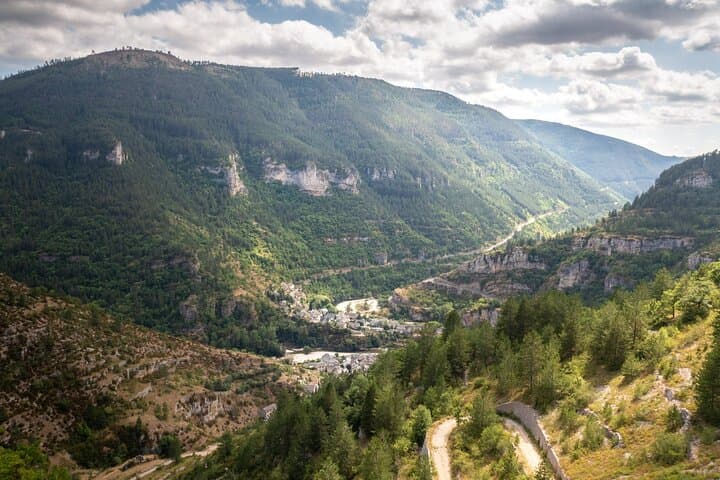
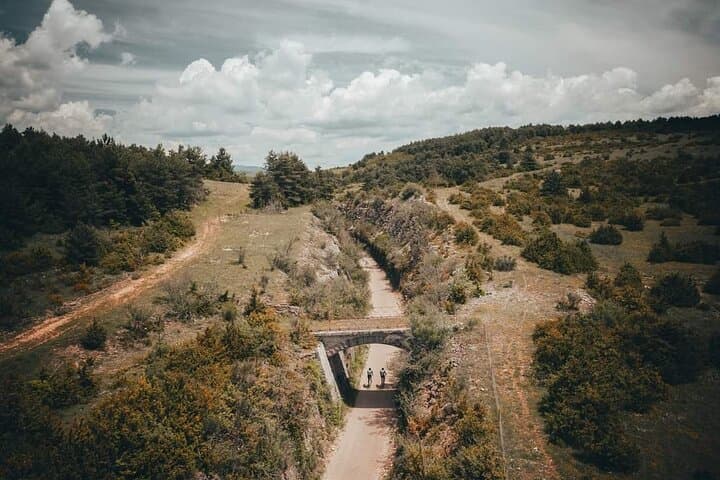
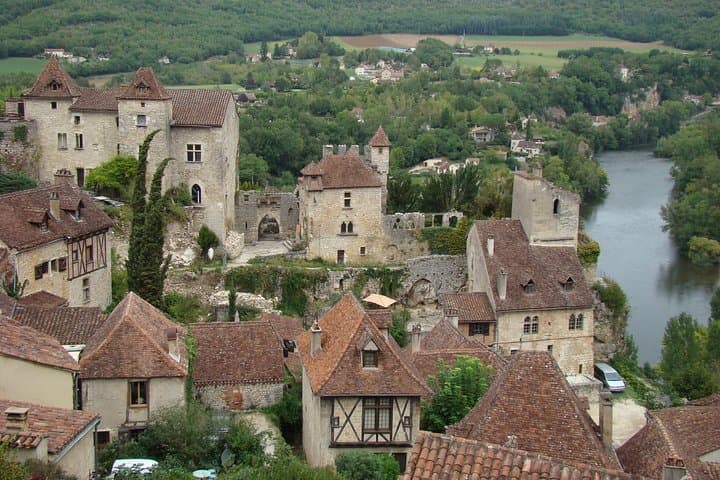
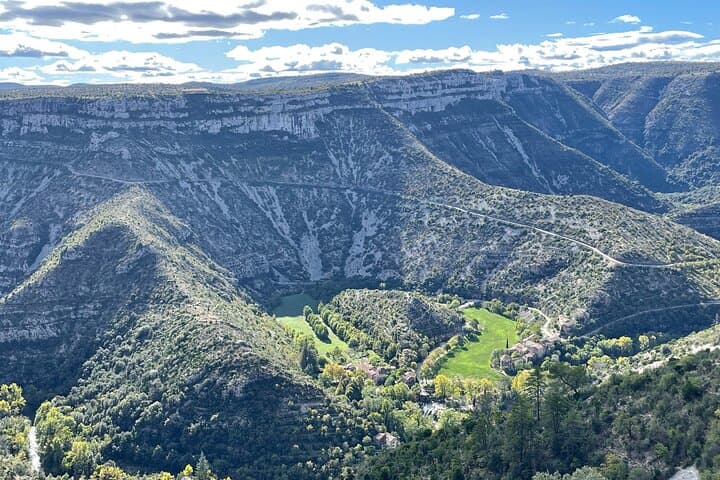
Established in 1995, Parc naturel régional de l'Aubrac spans the departments of Aveyron, Cantal, and Lozère across the Occitanie and Auvergne-Rhône-Alpes regions of France. The park covers an elevated volcanic plateau averaging around 1,200 meters (3,937 feet) in altitude, characterized by scenic rolling moorlands, basaltic plateaus, peat bogs, and deep river valleys. This diverse landscape supports a variety of habitats, including heathlands, woodlands, and alpine pastures, which sustain traditional cattle farming centered around the famous Aubrac breed. The park is rich in flora and fauna, hosting species such as roe deer, wild boar, and several bird species including black grouse, making it a valuable area for wildlife enthusiasts. Visitors enjoy over 1,000 kilometers (620 miles) of marked trails that traverse both moderate and challenging terrain, offering opportunities for hiking, mountain biking, horseback riding, and in winter, snowshoeing and cross-country skiing. The park's cultural heritage includes old villages, medieval castles, historic churches, and the ancient pilgrimage route of the Way of St. James (Camino de Santiago), which crosses the Aubrac plateau. Notable landmarks include the lakes of Saint-Andéol and Salhiens as well as the dramatic granite and basalt rock formations found throughout the area. The park’s rural character, combined with its outstanding natural environment and open spaces, attracts visitors seeking both active outdoor pursuits and peaceful nature experiences.