Wilderness Landscape & Natural Heritage
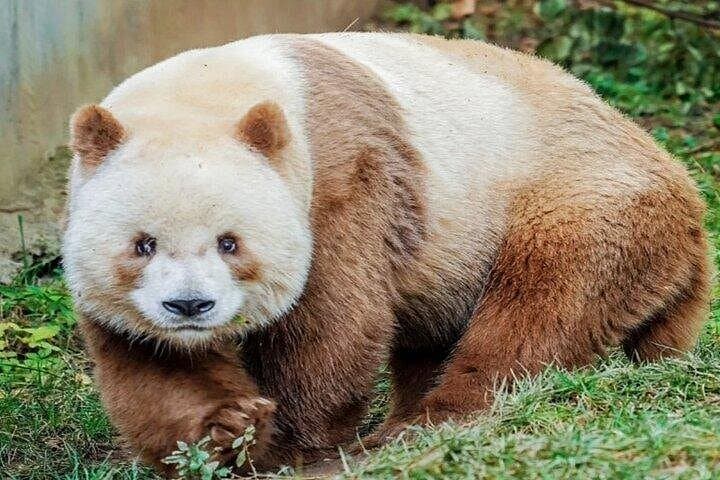
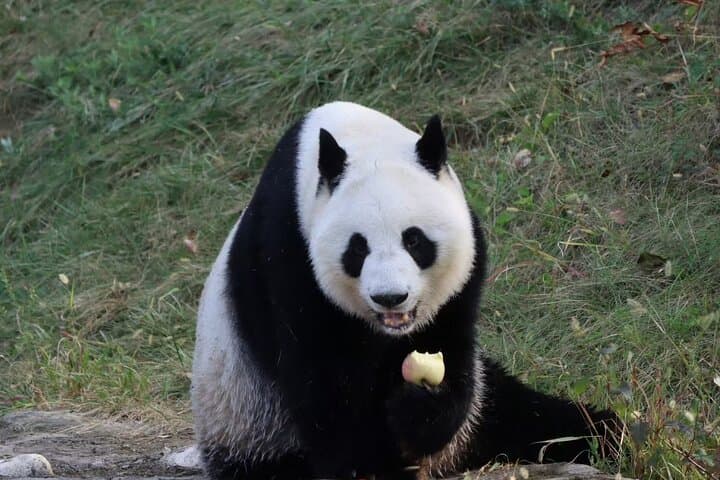
The Qinling Mountains stretch approximately 1,500 kilometers across central China, serving as a major ecological boundary between northern and southern China. This protected area encompasses dense forests, deep river valleys, and rugged high peaks, including the highest peak, Taibai Shan (3,767 meters). The region supports diverse ecosystems ranging from temperate broadleaf forests to alpine meadows, and is home to several endangered and endemic species, such as the Giant Panda, Golden Snub-nosed Monkey, and Chinese takin. Historically, the Qinling range has influenced Chinese culture and history, acting as a natural barrier and a climatic divide. It also contains several Taoist and Buddhist sacred mountains and ancient relics. Outdoor recreation opportunities abound, including hiking through well-preserved trails, wildlife observation, birdwatching, and mountaineering. Notable landmarks include the Taibai Shan summit, the Foping Nature Reserve with its panda habitats, and picturesque mountain villages offering cultural insights. The area attracts both serious naturalists and casual visitors seeking a blend of natural beauty and cultural depth. In recent decades, increased conservation efforts have improved habitat protection, though challenges such as tourism pressure and habitat fragmentation remain. Overall, the Qinling Mountains Protected Area offers a rare chance to explore one of China's most ecologically and culturally significant mountain belts.