Wilderness Landscape & Natural Heritage
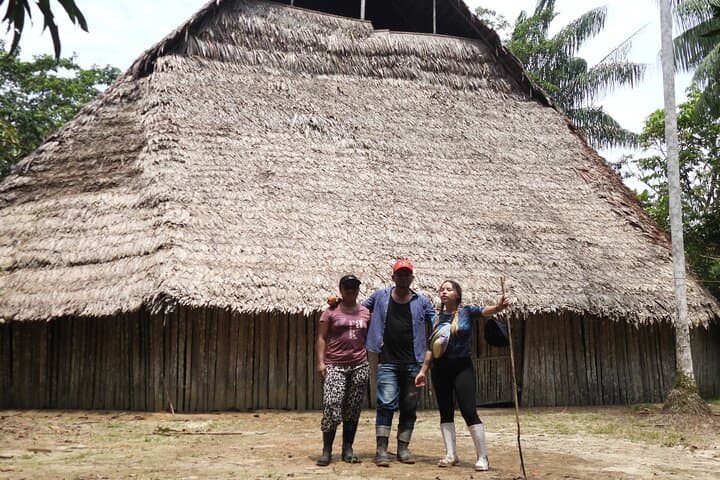
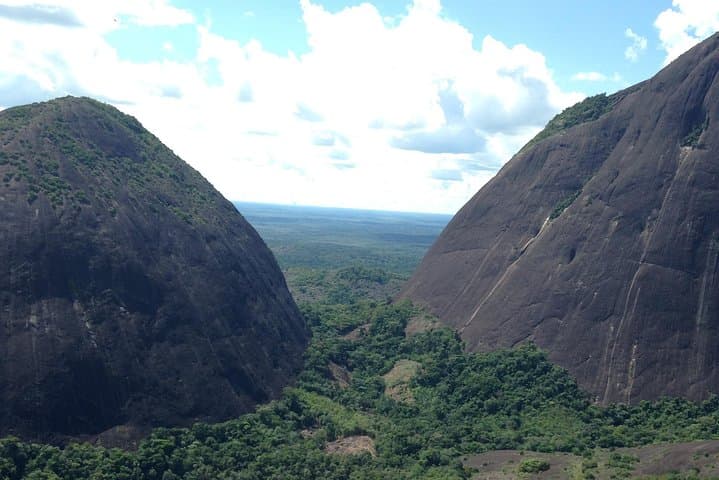
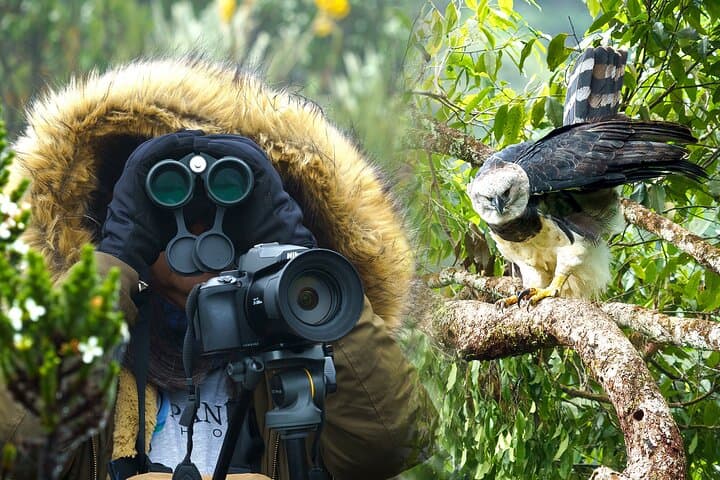
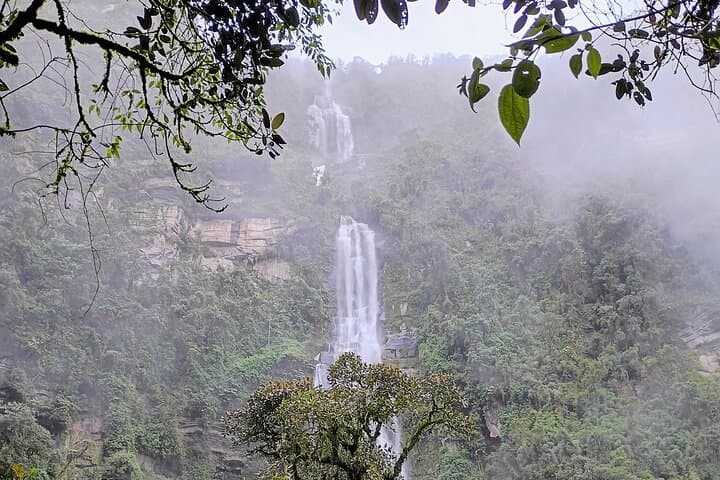
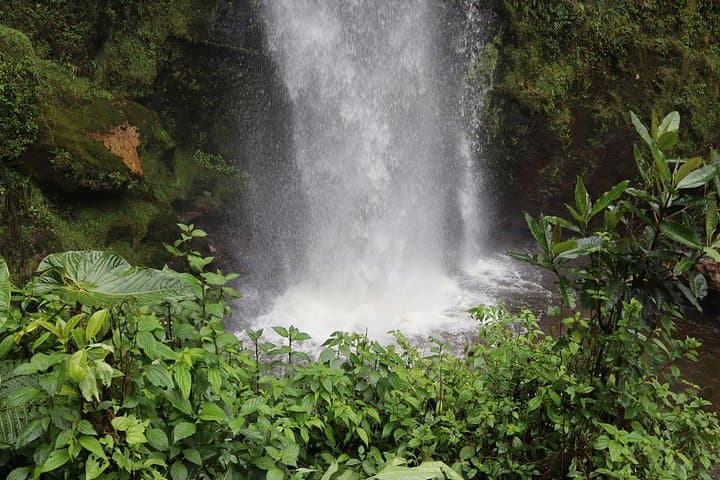
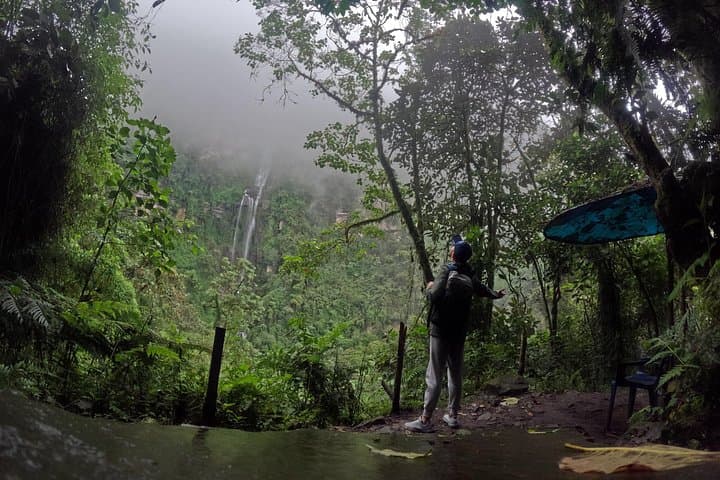
Puinawai National Natural Reserve, established in 1989, is one of the largest and most remote protected areas in Colombia, encompassing more than 5 million acres of Amazonian rainforest. Located in the department of Vaupés near the border with Brazil, this reserve features an expansive mosaic of lush tropical forest, river systems, and seasonally flooded wetlands. It serves as a sanctuary for countless plant and animal species, many of which are rare or endemic, including jaguars, giant river otters, and harpy eagles. The reserve is also home to several indigenous communities that maintain traditional lifestyles, contributing to the area's cultural richness and conservation stewardship. Access is extremely limited due to its remote location and lack of road infrastructure; most visitation occurs by river or air transport. Outdoor opportunities mainly focus on scientific expeditions, birdwatching, wildlife photography, and sustainable cultural visits alongside the local indigenous groups. Key ecological landmarks include sprawling white-sand forests and blackwater rivers, providing critical habitats that support diverse fauna and flora. The deep wilderness character, combined with the cultural significance and biodiversity, makes Puinawai an invaluable natural treasure for conservation and scientific study. Visitors are advised to prepare thoroughly due to the reserve's remoteness and minimal facilities, respecting local regulations and indigenous territories.