Wilderness Landscape & Natural Heritage
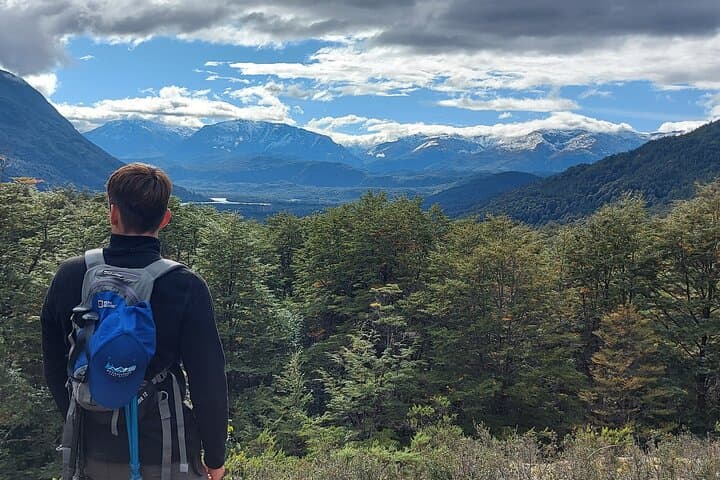
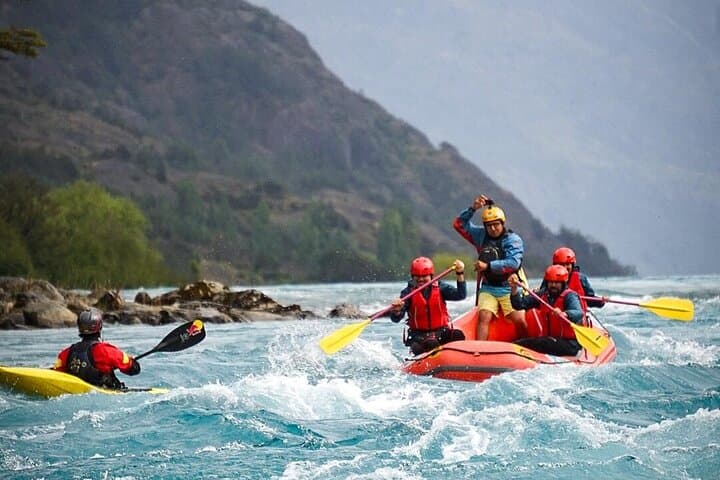
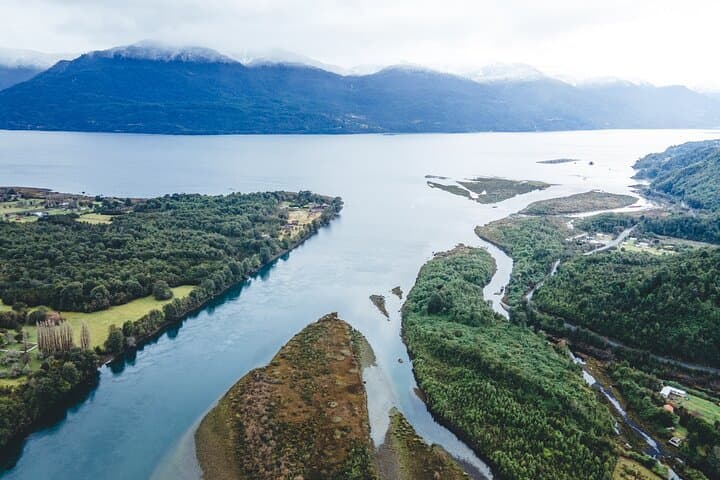
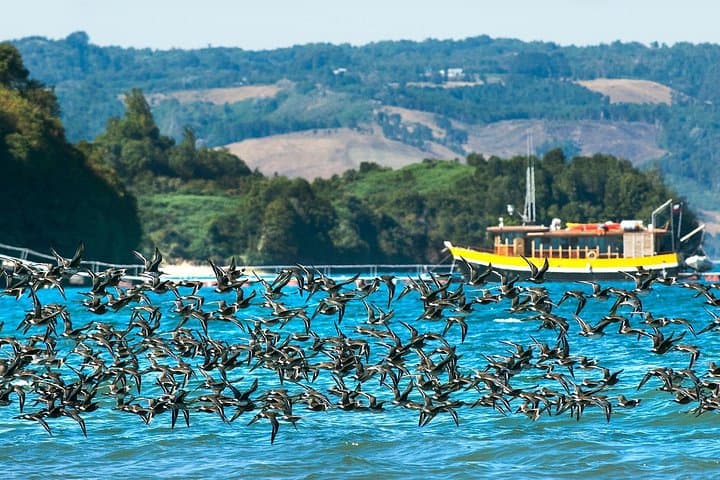
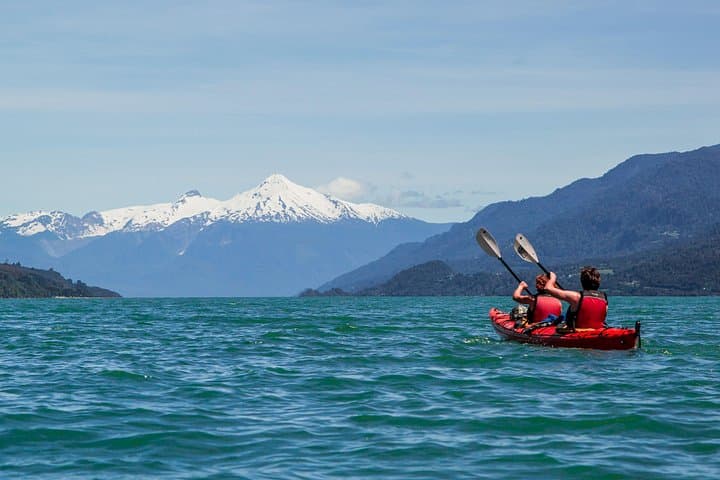
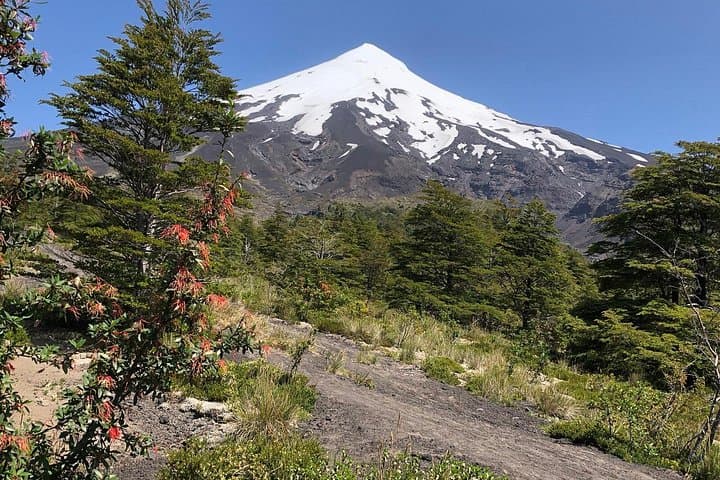
The Puelo River Protected Area spans parts of southern Chile and Argentina, covering a diverse landscape centered on the Puelo River, which flows from Lake Puelo in Argentina to the Reloncaví Estuary in Chile. The region is well known for its cold, clear waters that support a healthy population of salmonids, making it a prime destination for anglers. Ecologically, the area features extensive Valdivian temperate rainforest, home to species such as lenga and coihue trees as well as diverse birdlife including the Andean condor and various waterfowl. The river valley and surrounding foothills are also habitats for native mammals such as the pudú (one of the world's smallest deer), foxes, and the elusive huemul deer. Historically, the Puelo River basin has been important for indigenous communities and later for settlers engaging in fishing and forestry. Outdoor recreation opportunities abound, with whitewater rafting and kayaking presenting challenging rapids and calm stretches alike. Hiking trails in the area provide views of dramatic waterfalls and mountain vistas. Wildlife viewing is excellent both along the river and in the forested surroundings. The protected status of the area helps maintain its natural condition, attracting visitors who seek both adventure and tranquility far from the more heavily trafficked parks. The area provides important ecological connectivity between protected forests and river corridors across the international border. Visitor infrastructure is somewhat limited but offers rustic camping and guided tours, emphasizing conservation-minded travel and low-impact recreation.