Wilderness Landscape & Natural Heritage
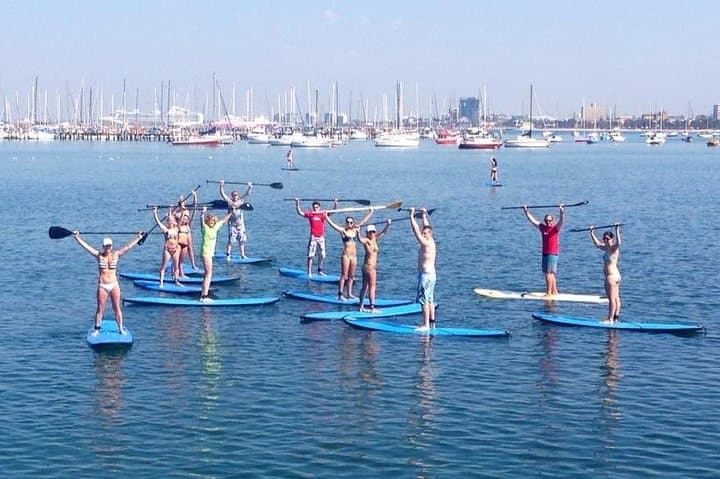
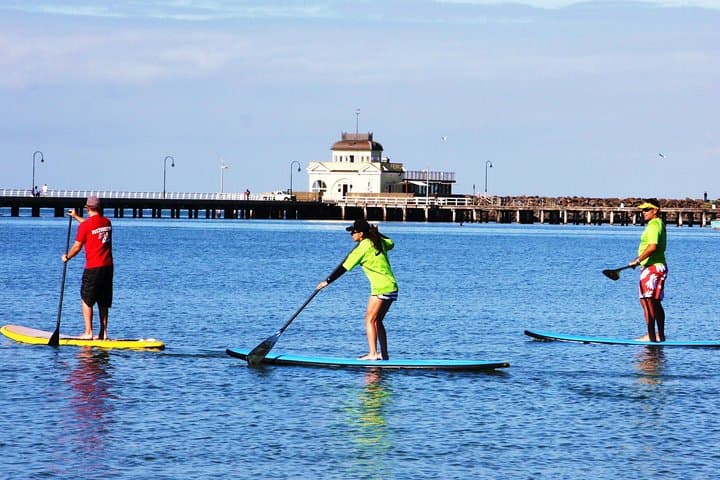
Port Phillip Bay is a coastal embayment located in southern Victoria, Australia, covering approximately 1,930 square kilometers. The bay’s surrounding wetlands form part of a Ramsar-listed site due to their critical role in supporting internationally significant populations of migratory shorebirds and native wildlife. Its shallow waters, extensive intertidal mudflats, saltmarshes, and seagrass beds provide essential breeding and feeding grounds for over 100,000 waterbirds annually, including species such as the critically endangered orange-bellied parrot and several migratory waders protected under international agreements like JAMBA and CAMBA. The bay’s coastal environment is characterized by low-lying mangrove forests and saltmarsh habitats, which also contribute to water filtration, carbon sequestration, and coastal erosion protection. In addition to ecological importance, Port Phillip Bay is a major recreational and cultural site. Visitors and locals take advantage of its numerous beaches, boating and fishing opportunities, and scenic walking trails along the foreshore. The bay is fringed by metropolitan Melbourne and popular coastal towns such as Geelong and Mornington, providing easy access for tourism and outdoor activities. Key landmarks include the Bellarine Peninsula’s coastal reserves, Ricketts Point Marine Sanctuary, and the extensive network of protected wetlands like the Werribee and Western Treatment Plant wetlands, which are internationally renowned birdwatching destinations. Visitor appeal is enhanced by opportunities for wildlife observation, sailing, kayaking, and guided nature tours. Conservation efforts remain crucial due to ongoing pressures from urban development, pollution, and climate change, with coordinated management ensuring the sustainability of this unique Ramsar wetland site.