Wilderness Landscape & Natural Heritage
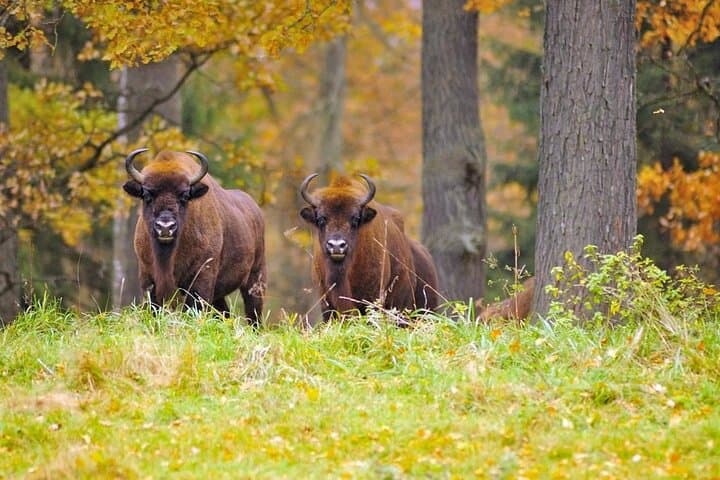
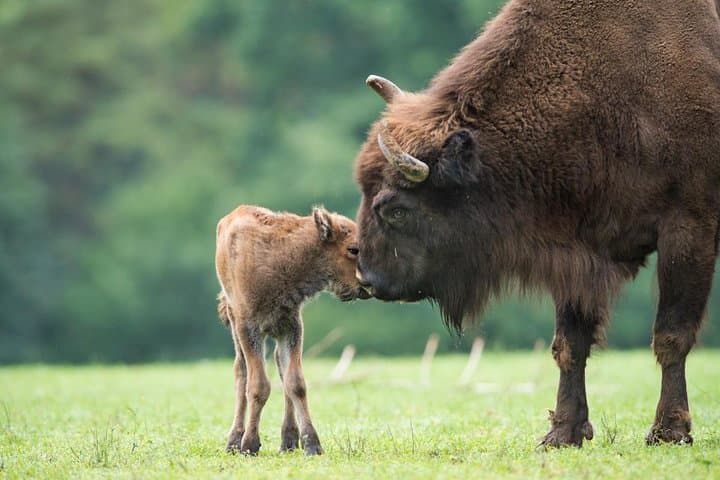
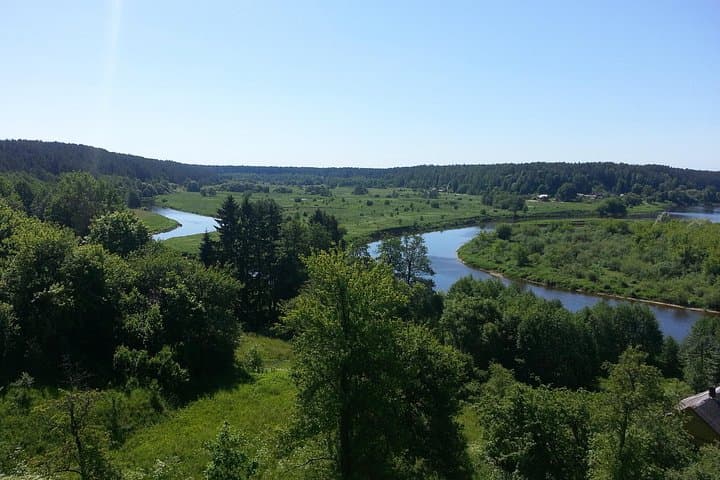
The Polesie State Radioecological Reserve is located in the Brest Region of southwestern Belarus, covering one of the most radioactively contaminated parts of the Chernobyl Nuclear Power Plant exclusion zone following the 1986 disaster. Established in 1988, this reserve encompasses approximately 216,000 hectares of mostly forested wetlands and meadows, forming a large undisturbed ecological zone. The reserve lies within the broad Polesie Lowland, characterized by a mosaic of peat bogs, marshes, rivers, and lakes, creating diverse wetland habitats. Despite its origins as a contaminated exclusion zone, the absence of human habitation and industrial activity has allowed many plant and animal populations to recover and even thrive. It is one of Europe's most important natural laboratories for studying the long-term ecological effects of radiation and natural succession. The reserve is now home to numerous species including European bison, elk, wolves, lynx, and a variety of rare birds, making it a significant wildlife refuge. Public access is strictly controlled due to radiation safety concerns, but limited scientific and regulated eco-tourism visits provide rare glimpses into this unique landscape. The Reserve demonstrates a paradox where radioactive contamination has inadvertently promoted biodiversity by excluding humans, offering unparalleled wilderness experiences for specialists and researchers. Key landmarks include the vast Polesie wetlands, abandoned villages, and undisturbed tracts of forest and grassland. Visitor appeal centers on ecological research, wildlife observation, and the enigmatic nature of a rewilding zone shaped by disaster and recovery.