Wilderness Landscape & Natural Heritage
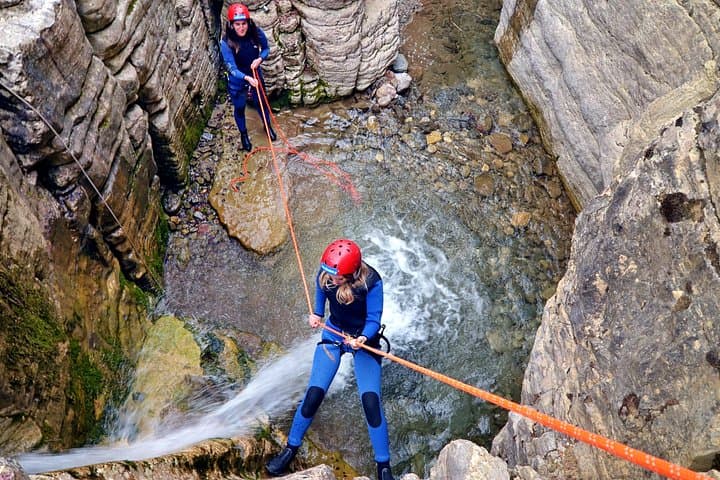
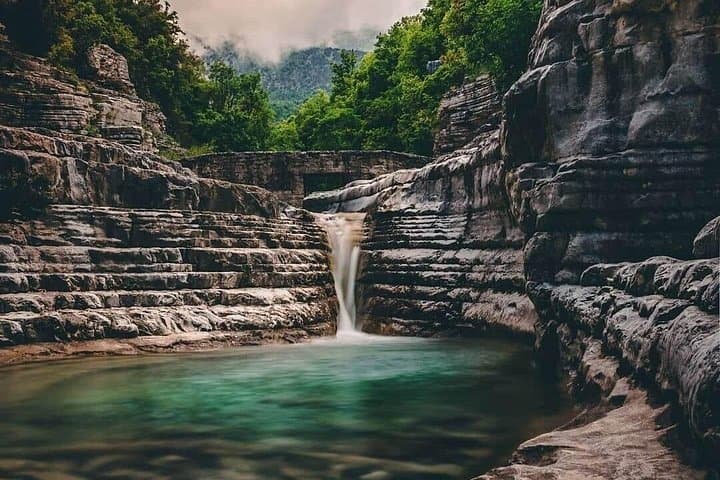
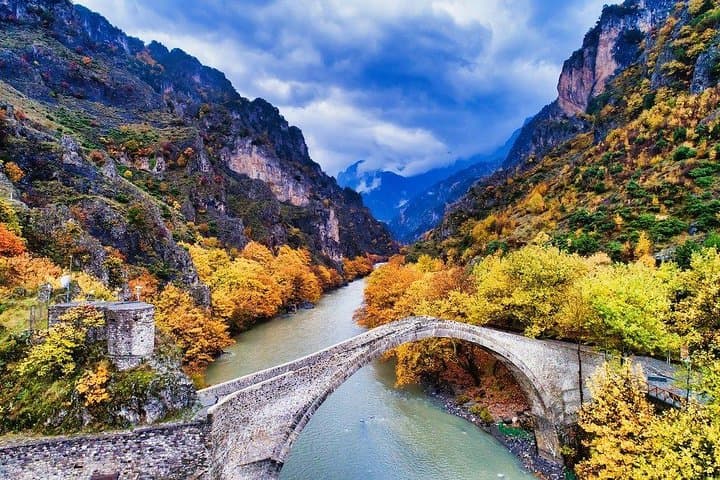
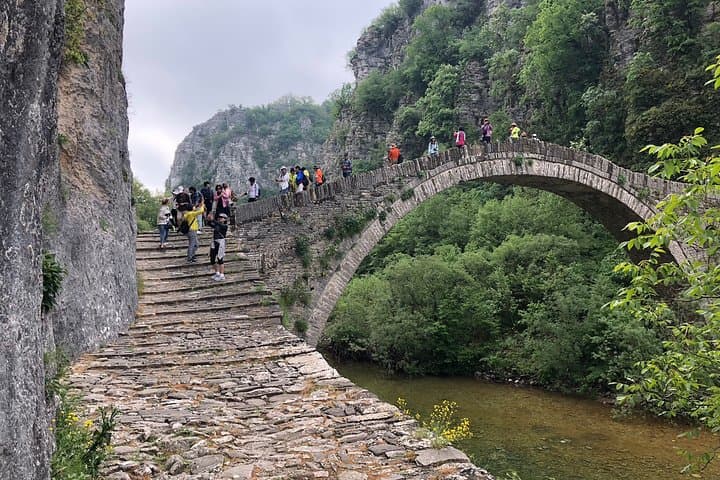
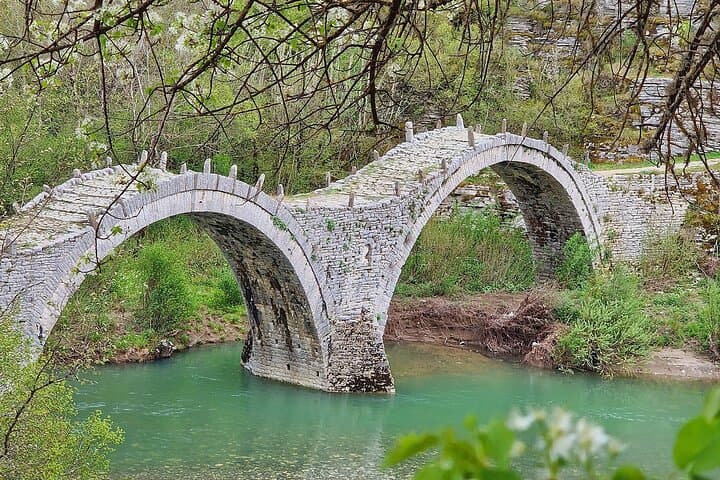
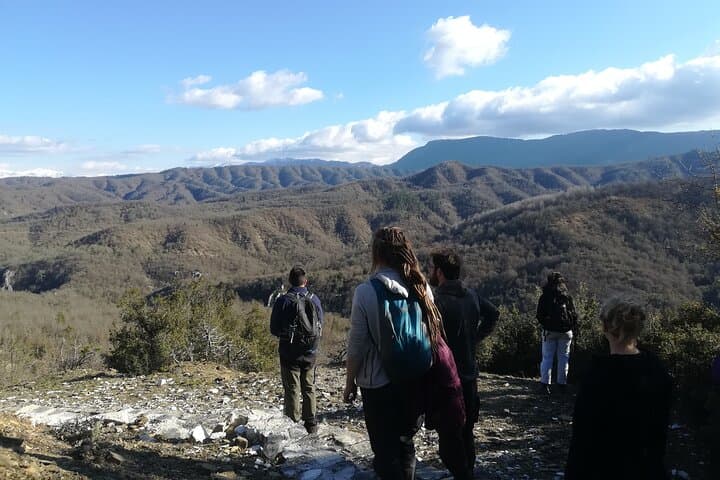
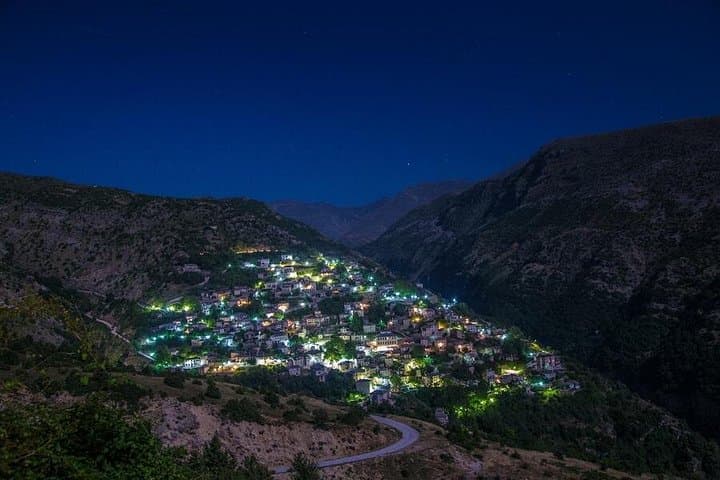
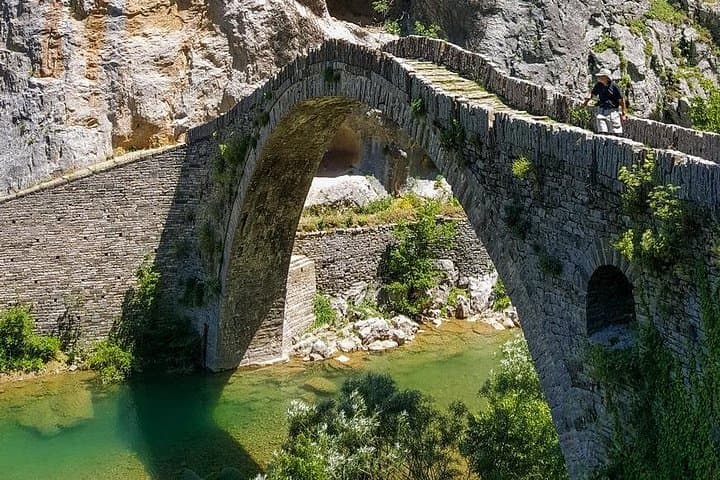
Pindus Mountains National Park, located in the heart of northern Greece, spans a rugged mountain range known for its steep peaks, deep gorges, and expansive forests. This park forms part of the broader Pindus mountain system, which stretches across the country and is considered the backbone of Greek topography. The park’s geography features towering limestone cliffs, alpine meadows, dense coniferous and deciduous forests, and crystal-clear rivers and waterfalls. It harbors a rich variety of flora and fauna, including iconic species such as the endangered Balkan chamois (Rupicapra rupicapra balcanica), brown bears, wolves, and golden eagles. The diverse ecosystems range from Mediterranean shrublands at lower elevations to sub-alpine and alpine zones at higher altitudes. Historically, the Pindus Mountains have been home to traditional shepherding communities and are dotted with small villages known for their stone architecture and vibrant cultural heritage. Visitors can explore ancient trails that once linked remote settlements and monasteries, including the remarkable Meteora rock formations nearby. Recreational activities include extensive hiking networks, wildlife observation, rock climbing, and mountain biking. Several well-marked trails lead visitors through mixed forests and past waterfalls, with opportunities to encounter rare wildlife and enjoy panoramic views from high summits. The park appeals to adventurers seeking quiet wilderness and traditional hospitality, while its remote terrain offers challenging routes for experienced hikers. National Park authorities focus on balancing conservation efforts with sustainable tourism, preserving the habitats of rare animals and protecting the natural landscape from overdevelopment. Visitor facilities are limited, emphasizing a low-impact outdoor experience and encouraging respect for the park’s natural state.