Wilderness Landscape & Natural Heritage
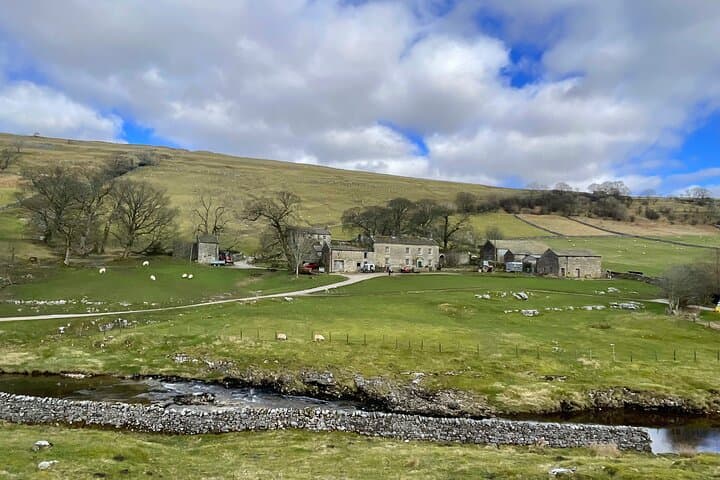
The Pennine Moors extend along the backbone of northern England, primarily within the counties of North Yorkshire, West Yorkshire, and County Durham, forming part of the larger Pennine range. These moors are characterized by rolling expanses of heather, peat bogs, and grass heath, reaching elevations of up to around 700 meters. The terrain is open and exposed, shaped by glacial and post-glacial processes and centuries of traditional sheep grazing, which has maintained the distinctive moorland habitat. The atmosphere is marked by wide horizons, scattered stone walls, and drystone barns.
Ecologically, the Pennine Moors support a range of upland species including red grouse, curlew, golden plover, and mountain hares, making it a significant area for birdwatching and wildlife observation. The moors are part of several Sites of Special Scientific Interest (SSSIs) and Special Protection Areas (SPAs), reflecting their importance for biodiversity and conservation.
Historically, the moors have long been associated with traditional rural livelihoods such as sheep farming and peat cutting, while also featuring prehistoric archaeological sites like cairns and stone circles. The terrain attracts walkers on famous long-distance routes such as the Pennine Way, which passes through the moorland, offering a challenging and scenic hiking experience.
Visitors enjoy hiking, mountain biking, birdwatching, and photography, with opportunities to explore remote villages and historic landmarks such as Rombalds Moor and the surroundings of the Yorkshire Dales National Park. The often wild weather and isolation enhance the sense of adventure. The Pennine Moors provide a glimpse into some of England’s most iconic upland landscapes, blending natural beauty with cultural heritage.