Wilderness Landscape & Natural Heritage
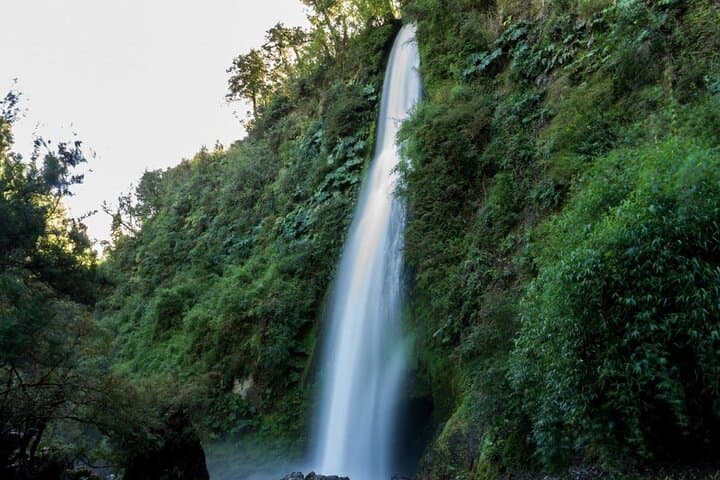
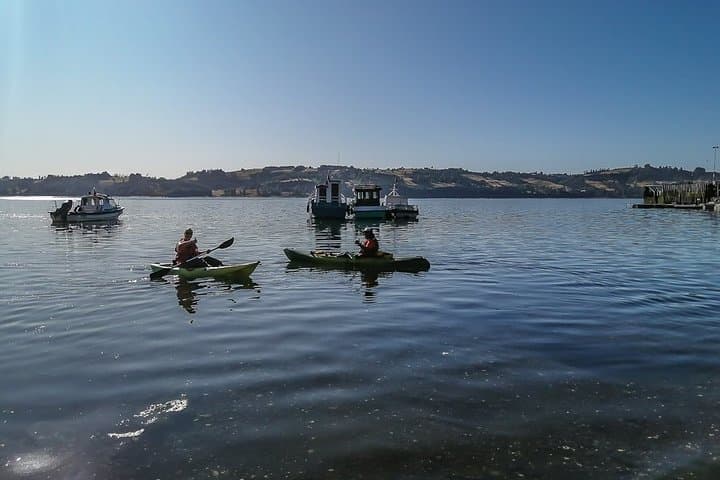
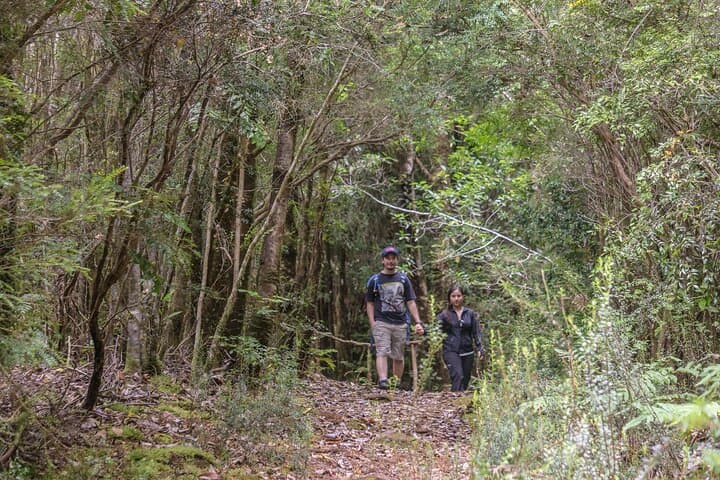
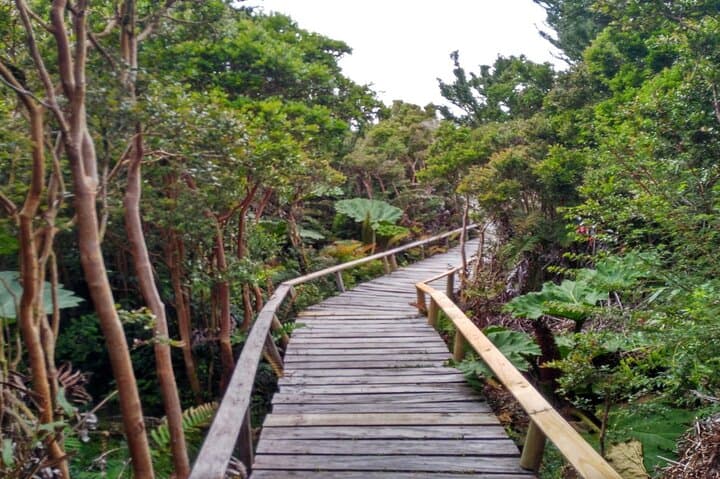
Parque Nacional Douglas Tompkins, previously known as Parque Pumalín before its incorporation into Chile's national park system in 2018, covers over 400,000 acres of diverse and largely untouched wilderness in the Los Lagos and Aysén regions of southern Chile. The park extends along the Pacific coast, featuring rugged fjords, temperate rainforests dominated by ancient alerce trees, clear lakes, rivers, and snow-capped Andes peaks. It encompasses dramatic landscapes shaped by glaciers, volcanic activity, and abundant rainfall. The park was originally established through private conservation efforts led by Douglas Tompkins, an American conservationist and co-founder of The North Face and Esprit, who purchased land in the area to protect it from logging and development. Since becoming a national park, it is managed by Chile’s National Forest Corporation (CONAF). Outdoor enthusiasts are drawn to the park for its extensive trail network, opportunities for multi-day trekking along remote fjords, sea kayaking in sheltered channels, camping under star-filled skies, and observing native wildlife such as pudú deer, kodkod cats, and diverse bird species. Notable landmarks include the Hornopirén volcano, the Angel Azul fjord, and the Pumalín Trail, which offers access to varied ecosystems from lowland temperate rainforest to high Andean terrain. Its relative remoteness and preservation make it a prime destination for adventurous travelers seeking wild landscapes, solitude, and the experience of Chile's southern wilderness in its most natural state.