Wilderness Landscape & Natural Heritage
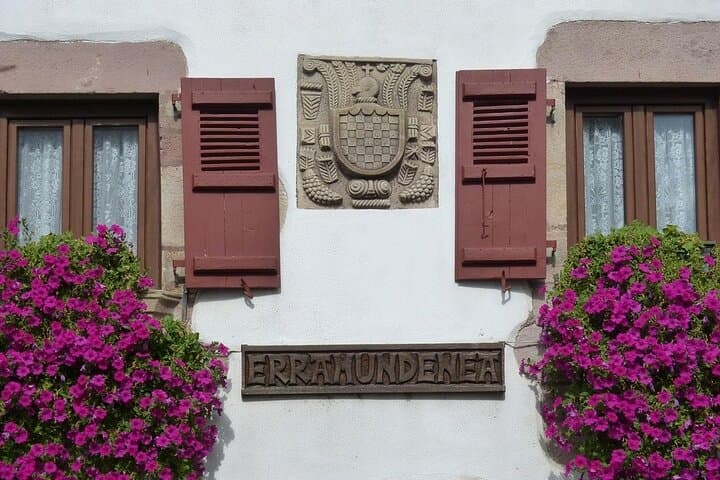
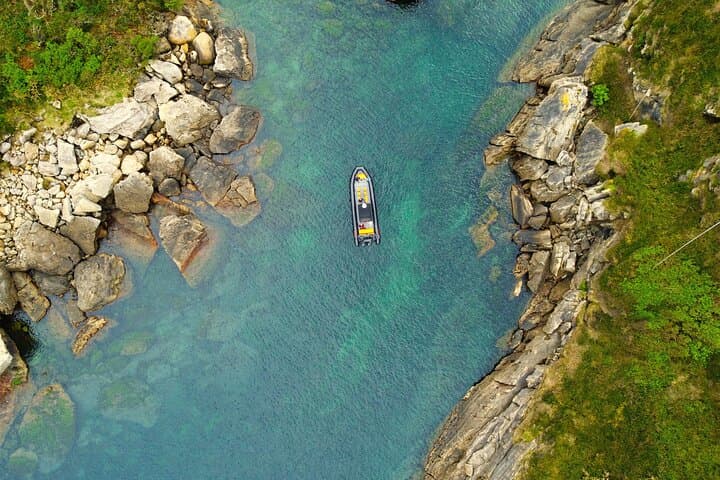
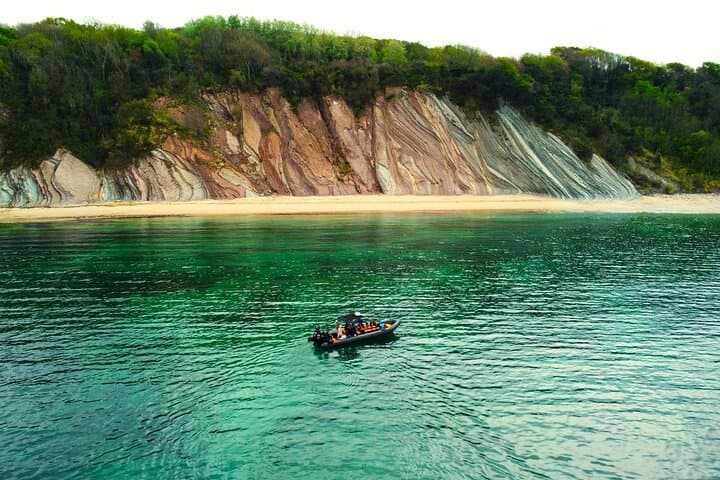
Established in 1998, Parc naturel régional Basque covers approximately 17,000 hectares of land in the Pyrénées-Atlantiques department of southwestern France. The park preserves the unique blend of Atlantic coastal environments, rolling green hills, steep forested slopes, and traditional Basque villages. Its geography stretches from the rugged coastline of the Bay of Biscay to the foothills of the western Pyrenees mountains. The ecology is characterized by a mosaic of pastoral land, chestnut forests, oak groves, and wetlands that support a wide array of wildlife, including protected bird species such as the lammergeier and the bearded vulture, as well as the Pyrenean desman, an endangered aquatic mammal. Historically, the area is a stronghold of Basque culture, with traditional architecture, language, and farming practices still prevalent. Visitors can explore numerous marked hiking and mountain biking trails that traverse scenic ridges, ancient farmhouses, and small villages like Espelette and Sare, famed for their brightly painted houses and gastronomic heritage. Key landmarks include the prehistoric caves of Isturitz and Oxocelhaya, the coastal cliffs near Hendaye, and the iconic La Rhune peak accessible by a century-old rack railway. The park appeals to outdoor enthusiasts, cultural tourists, and those interested in sustainable rural tourism. Its combination of natural beauty, cultural depth, and recreational offerings makes it a cherished protected area within the French Basque Country.