Wilderness Landscape & Natural Heritage
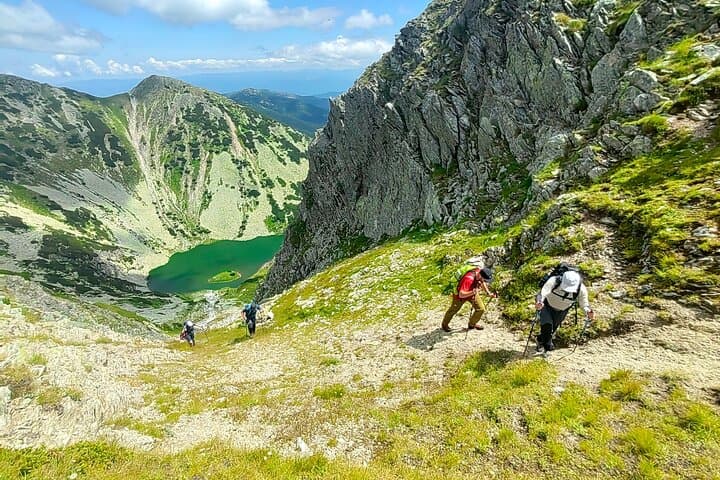
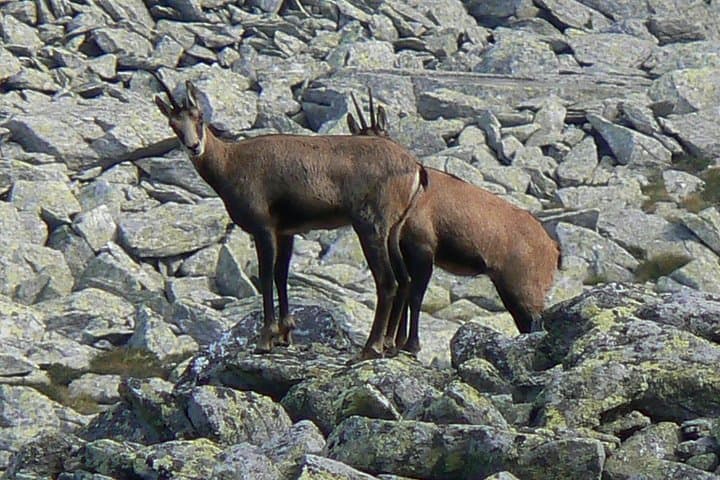
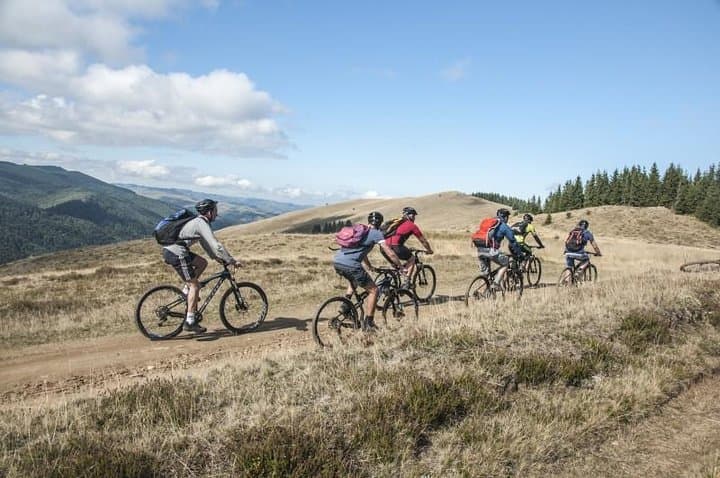
Parâng Mountains Natural Park is located in the Southern Carpathians of Romania, spanning across the counties of Gorj, Hunedoara, and Vâlcea. Established in 2005, the park encompasses a varied landscape including high mountain peaks, deep glacial valleys, alpine meadows, and dense coniferous and beech forests. The Parâng Mountains themselves reach elevations up to 2,519 meters, with the highest peak, Parângu Mare, providing panoramic views across the Carpathian range. The park holds significant ecological value due to its rich biodiversity, home to species such as brown bears, gray wolves, lynx, chamois, and numerous bird species, including the golden eagle. Vegetation zones transition from broadleaf forests at lower altitudes to alpine grasslands and rocky outcrops near the peaks.
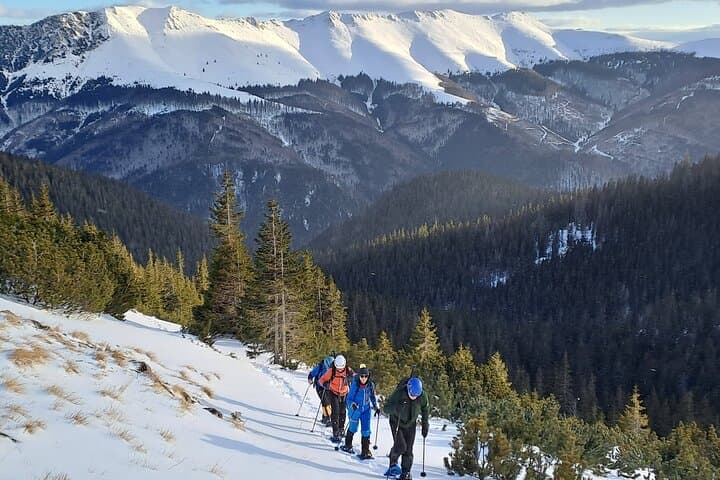
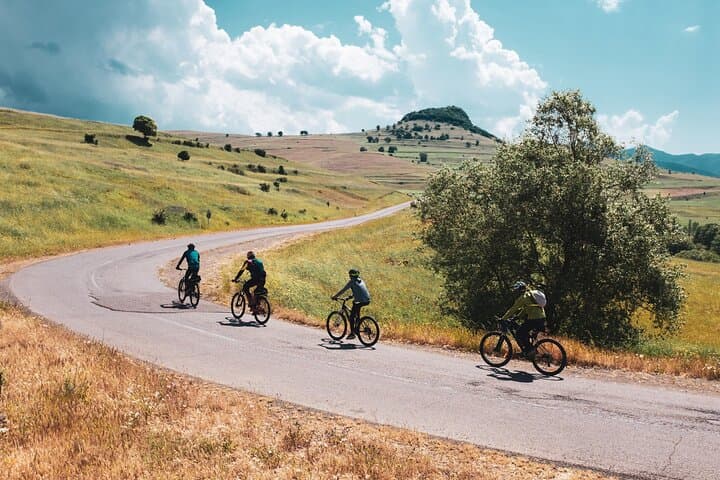
Visitors are drawn to the park for its extensive hiking and mountaineering opportunities, with well-marked trails leading to multiple peaks, ridges, and cirques. One of the key landmarks is the Peleaga Peak and the glacial Lake Lia, a popular destination for day hikes. The park also includes several caves and natural rock formations that are of geological interest. Winter sports, including skiing and snowshoeing, attract visitors during colder months, particularly near the Rânca resort.
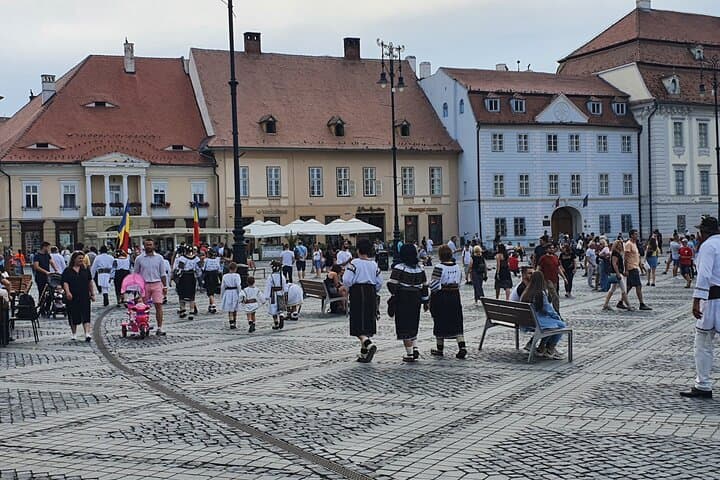
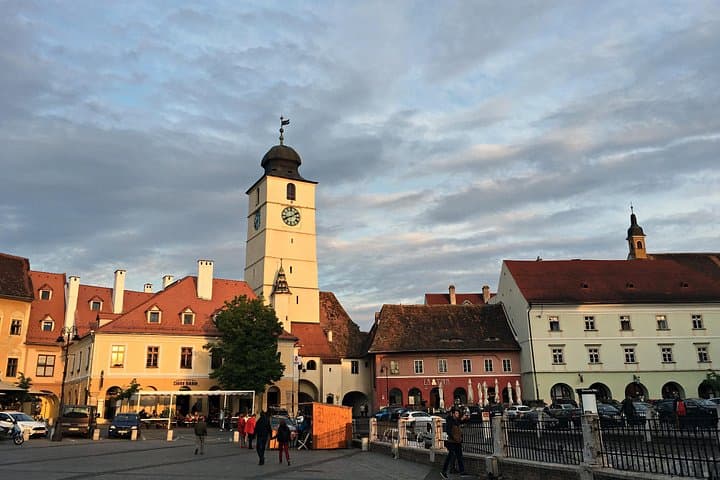
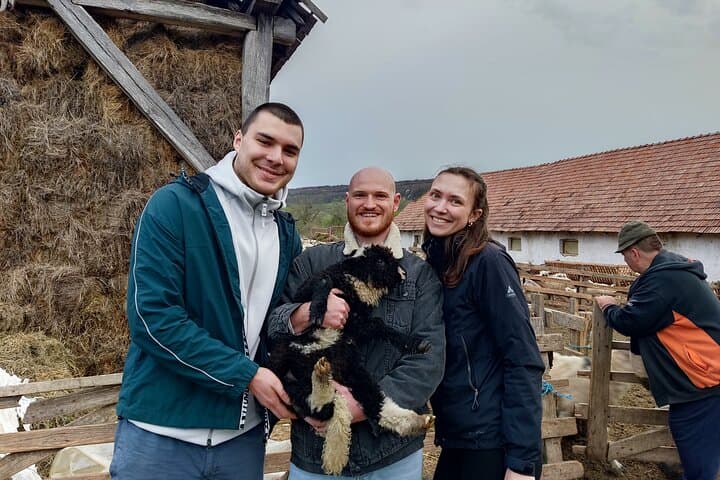
Culturally, the park's surrounding villages preserve traditional Romanian mountain lifestyle and crafts. The park’s accessibility from cities such as Târgu Jiu and Petroșani makes it a favored destination for locals and international travelers seeking natural beauty combined with outdoor adventure. Conservation efforts continue to focus on protecting wildlife habitats and minimizing human impact while promoting sustainable tourism.