Wilderness Landscape & Natural Heritage
The Paraná River Delta Ecosystem spans across northeastern Argentina, primarily within Buenos Aires, Entre Ríos, and Santa Fe provinces. It covers an extensive area of approximately 14,000 square kilometers, formed at the confluence of the Paraná and Uruguay rivers before flowing into the Río de la Plata estuary. This delta is characterized by a dynamic labyrinth of river channels, islands, marshes, and floodplains, making it one of the most important and biodiverse freshwater wetland systems in South America. The delta supports a rich mosaic of habitats including floating vegetation mats, gallery forests, reed beds, and freshwater marshes, providing refuge for over 300 bird species, numerous fish populations, and rare mammals such as capybaras and neotropical otters. Historically, the delta has been a vital resource for indigenous peoples and gauchos, who depended on its fish and fertile soils.
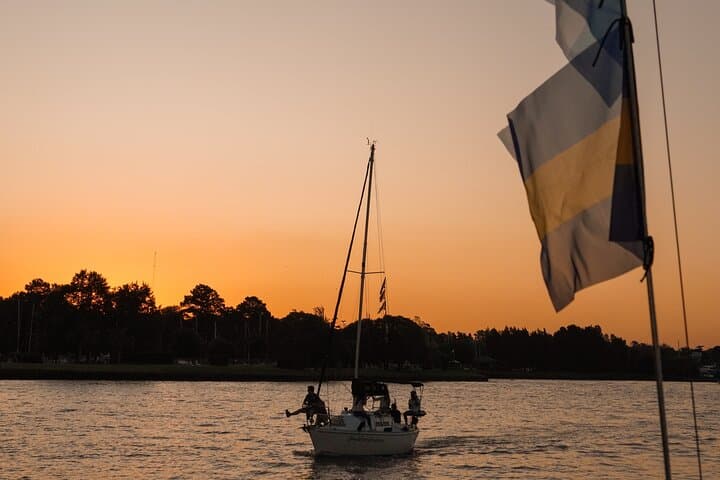
Today, the Paraná River Delta is designated a Biosphere Reserve by UNESCO and includes protected areas like the Predelta National Park and various Provincial Reserves. The region attracts ecotourists and researchers interested in birdwatching, fishing, kayaking, and navigating its waterways by boat. Notable landmarks include the intricate floating islands and the distinctive Paraná wetlands, where visitors can witness spectacular seasonal bird migrations and unique aquatic plant species. The delta’s complex hydrology and cultural heritage make it a living laboratory for conservation and sustainable use practices, promoting outdoor recreation deeply connected with respect for fragile wetland ecosystems.