Wilderness Landscape & Natural Heritage
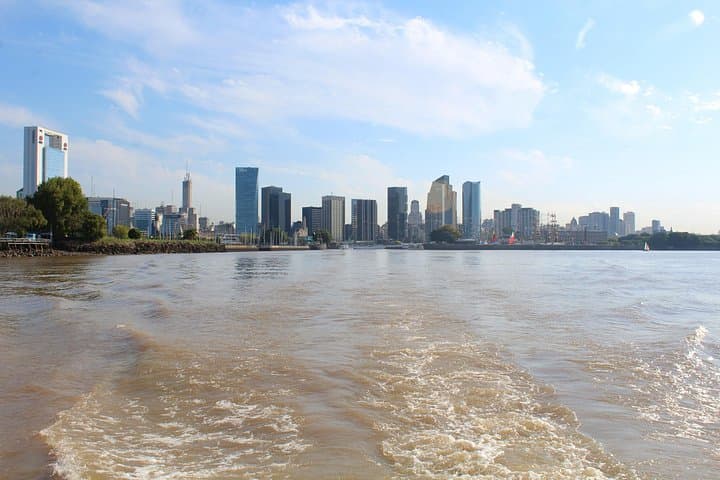
The Paraná Delta Regional Reserve encompasses approximately 820,000 hectares of interconnected islands, channels, marshes, and floodplain forests in northeastern Buenos Aires Province, Argentina. Formed by sediment deposits from the Paraná River as it flows into the Río de la Plata estuary, the reserve features a dynamic mosaic of ecosystems including freshwater lagoons, dense riparian forests, and wetland meadows. Its complex network of waterways supports a remarkable diversity of flora and fauna, including over 350 bird species, capybaras, marsh deer, otters, and various fish species. Historically, the delta areas have been vital to indigenous peoples, fishermen, and agricultural communities, shaping a cultural mosaic that harmonizes with the natural environment. Recreation here focuses on boat tours and kayaking through tranquil channels, bird watching at key observation points, and photography of the unique riverine landscape. Unlike typical terrestrial parks, the reserve's primary access is via waterways, giving visitors an immersive experience into the ever-changing delta environment. The Paraná Delta also plays a crucial role in water purification, flood control, and maintaining regional biodiversity. Its vast, largely undeveloped nature makes it a sanctuary for migratory birds and an invaluable natural laboratory for scientific research. When visiting, travelers enjoy peaceful natural immersion, spotting elusive wildlife, and learning about conservation efforts safeguarding this fragile ecosystem. Proximity to Buenos Aires city facilitates day trips or longer eco-tourism ventures with local guides. The Paraná Delta Regional Reserve stands as a vital protected area symbolizing the ecological and cultural richness of Argentina's riverine landscapes.