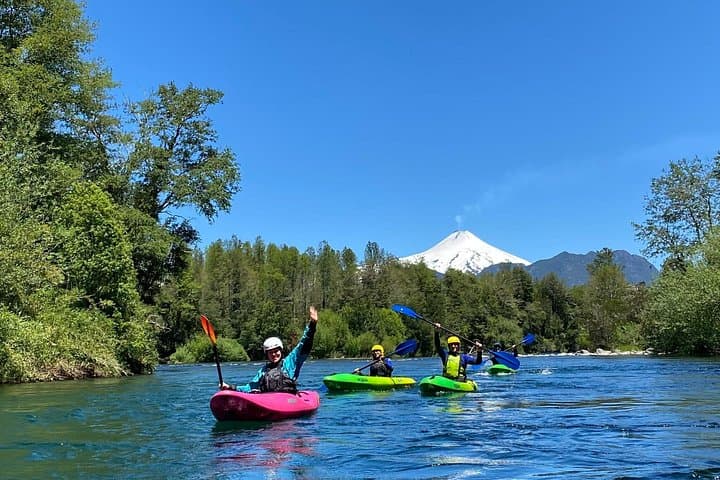
Wilderness Landscape & Natural Heritage
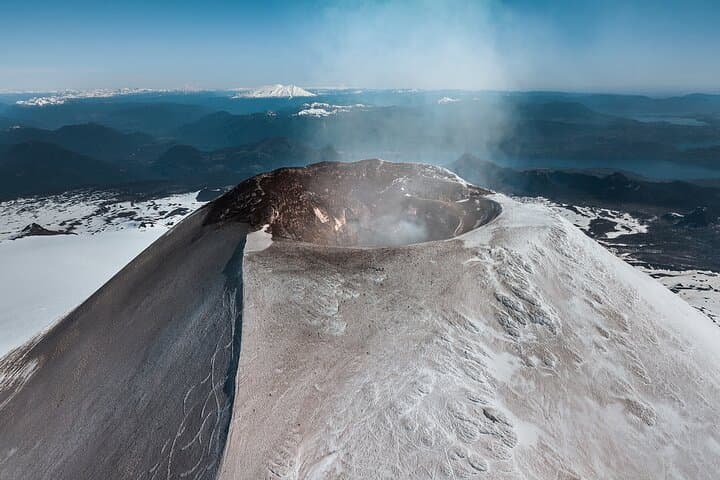
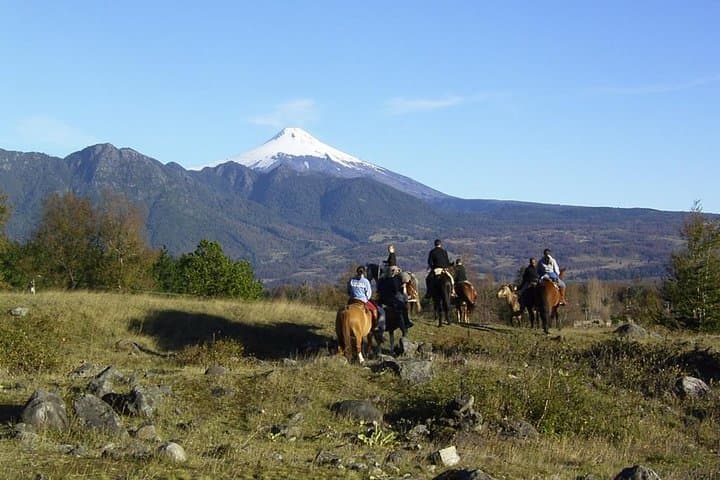
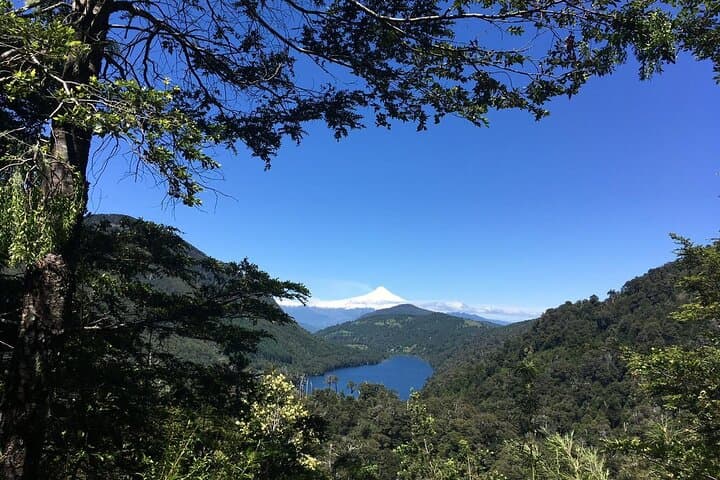
Located in the scenic Los Ríos Region of southern Chile, Panguipulli National Park protects a large area of temperate rainforest, volcanic terrain, and crystal-clear lakes. Established to preserve the unique natural environment of the southern Andes foothills, the park contains diverse ecosystems including Valdivian temperate rainforest with dense stands of ancient coigüe, lenga, and arrayán trees. The park’s geography features numerous glacial lakes such as Lake Panguipulli, volcanic peaks like Villarrica Volcano to the north, and multiple fast-flowing rivers and streams. Wildlife includes native species such as pudú (the world’s smallest deer), kodkod cats, Magellanic woodpeckers, and a wide variety of amphibians and birds typical of this temperate ecosystem. Outdoor enthusiasts come to Panguipulli for hiking along forested trails that range from easy lakeside strolls to strenuous climbs with panoramic views. Fishing is a popular activity in the park’s rivers and lakes teeming with trout and salmon. The park also offers opportunities for camping, kayaking, and horseback riding. Nearby communities maintain cultural ties to indigenous Mapuche traditions, adding a cultural dimension to visits. The park’s rich biodiversity and relatively low visitor numbers provide a more secluded nature experience compared to Chile’s more famous parks. Panguipulli National Park is valued for its combination of pristine water bodies, volcanic landscapes, and temperate rainforest habitats, making it a notable destination for nature lovers and adventure travelers exploring Chile’s Lake and Volcano District.