Wilderness Landscape & Natural Heritage
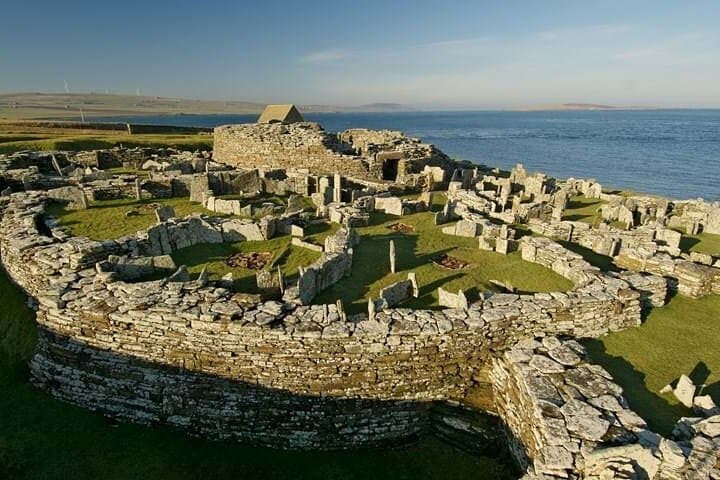
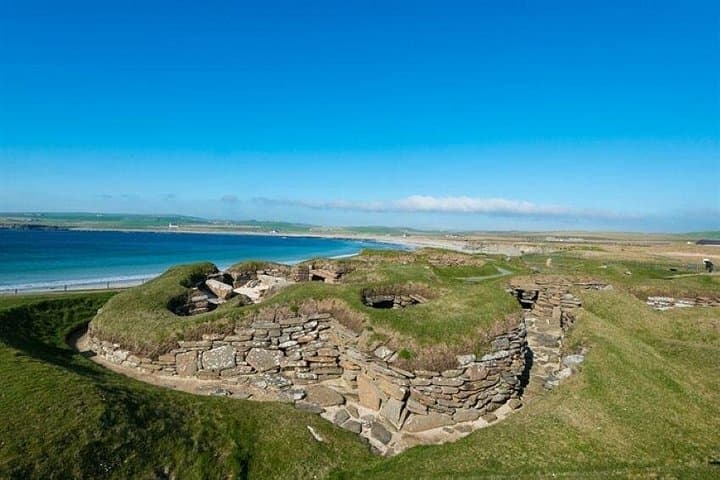
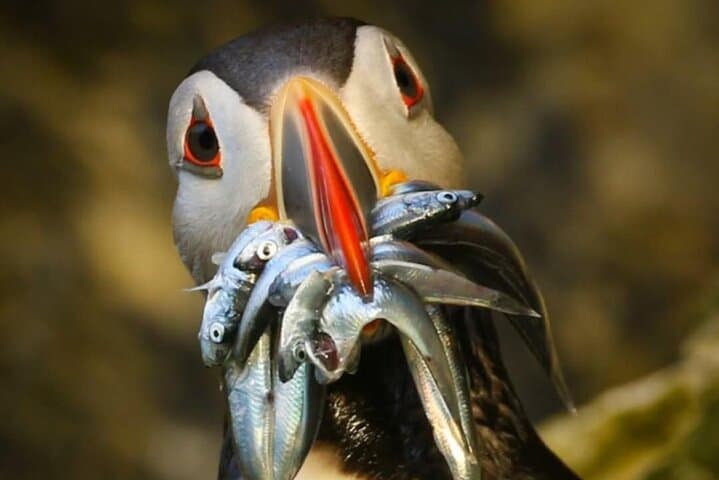
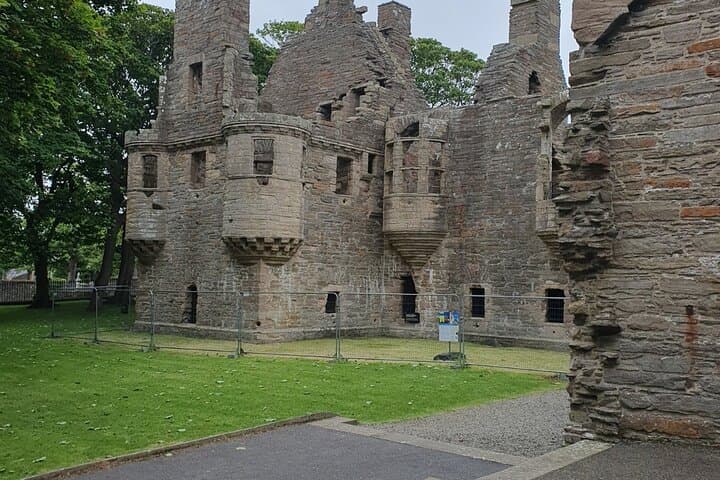
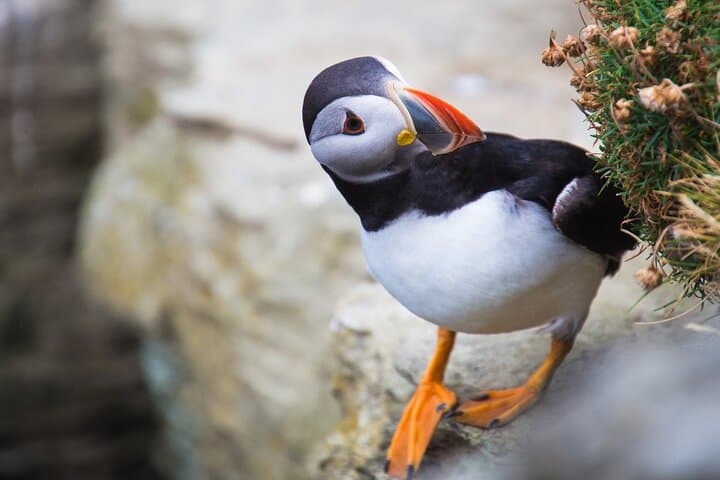
The Orkney Islands, located off the northeastern coast of mainland Scotland, comprise a group of approximately 70 islands, of which about 20 are inhabited. Designated as an Area of Special Scientific Interest (ASSI), several parts of the archipelago are recognized for their exceptional natural features, wildlife habitats, and geological formations. These include coastal cliffs, wetland habitats, moorland, and important seabird colonies supporting species such as puffins, guillemots, and kittiwakes. The diverse geology of Orkney reveals significant fossil records and distinctive limestone formations. Beyond natural assets, the islands boast a rich archaeological heritage with neolithic sites like Skara Brae, the Ring of Brodgar, and Maeshowe, all of which provide historical context to the landscape. Visitors to Orkney ASSIs enjoy a mix of outdoor activities including birdwatching, coastal hiking, and exploring the extensive shorelines and wildlife reserves. The relatively low human population and exposed North Atlantic environment give the landscape a wild character, appealing to nature lovers and those interested in remote island exploration. Key landmarks aside from protected wildlife areas include the standing stones and ancient settlements that combine natural and cultural significance in one destination. The Orkney Islands ASSI attracts researchers, bird enthusiasts, and tourists keen on experiencing rugged coastal scenery and rich heritage in a largely unspoiled setting.