Wilderness Landscape & Natural Heritage
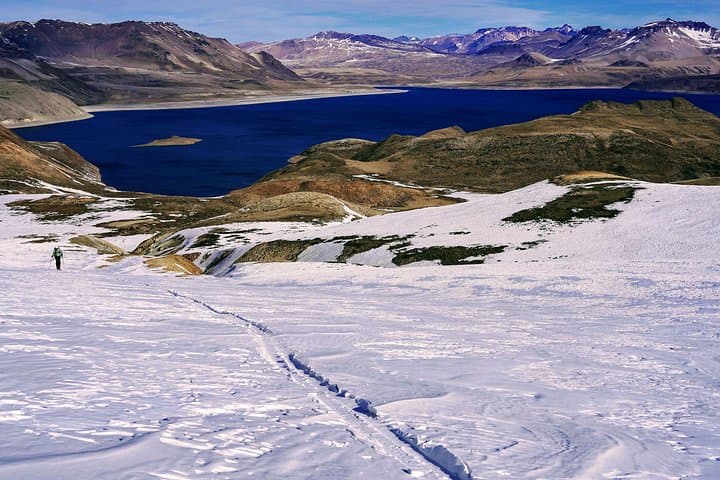
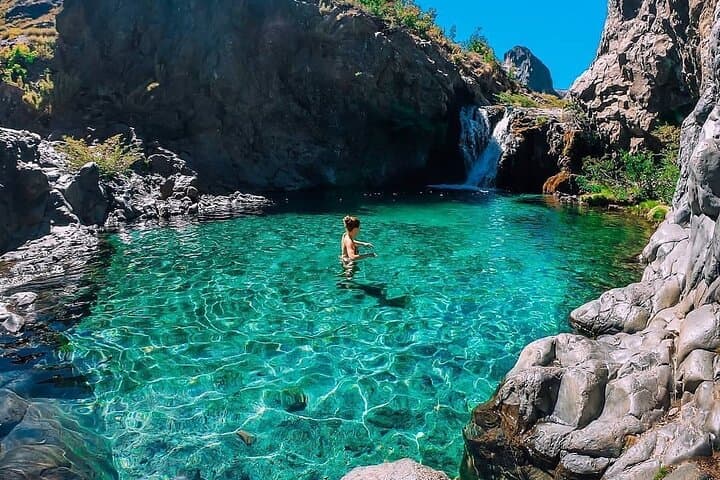
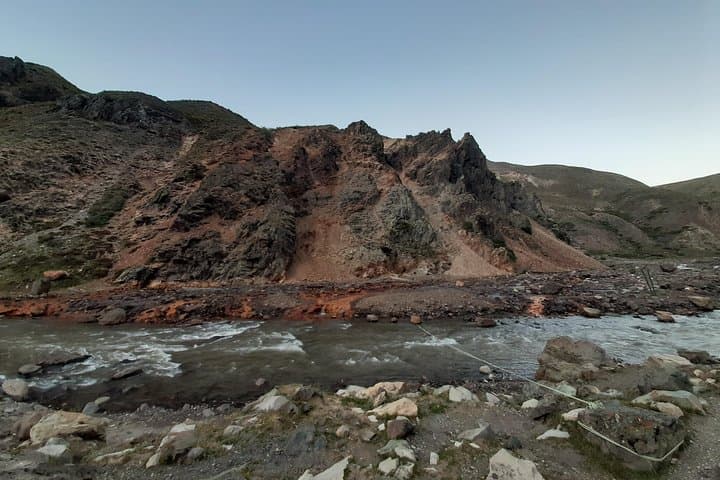
Ñuble National Park, established in 2018, is located in the Ñuble Region of south-central Chile, encompassing a portion of the Andes mountain range. It preserves diverse Andean ecosystems including lenga and coigüe forests, alpine tundra, and glacial lakes. The park’s geography features steep slopes, high-altitude mountain peaks, glacial valleys, and prominent volcanoes like Nevados de Chillán, with snow-capped summits and active geothermal zones. The park’s ecology supports a range of native species such as the endangered South Andean deer (huemul), pudu (the world's smallest deer), cougars, and various bird species including the Andean condor. Historically, the area has been significant for indigenous Mapuche communities and later became a focus for conservation efforts due to threats from logging and development. Visitors to Ñuble enjoy extensive hiking and trekking routes that range from moderate day hikes to challenging multi-day routes, including climbs to volcanic summits. The presence of hot springs near the Nevados de Chillán attracts visitors seeking natural thermal baths. Other popular activities include wildlife observation, mountaineering, and photography. The park offers a remote wilderness experience with rugged terrain and limited infrastructure, appealing to adventurers and nature lovers interested in Chile’s lesser-known protected areas. Its diverse landscapes and volcanic features make it a notable destination for outdoor recreation and ecological research.