Wilderness Landscape & Natural Heritage
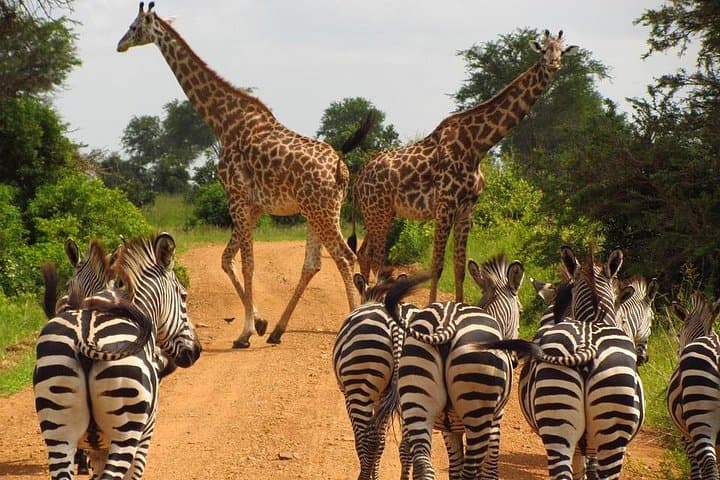
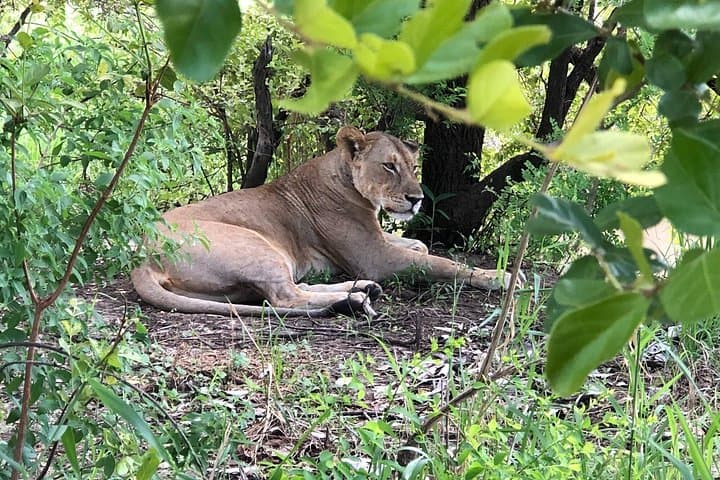
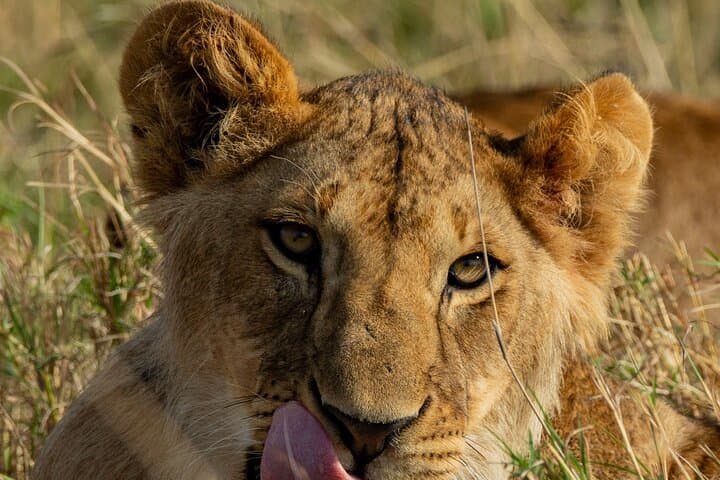
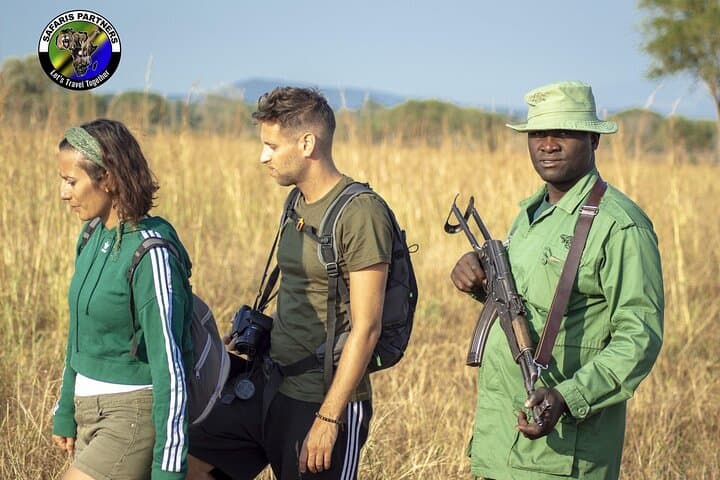
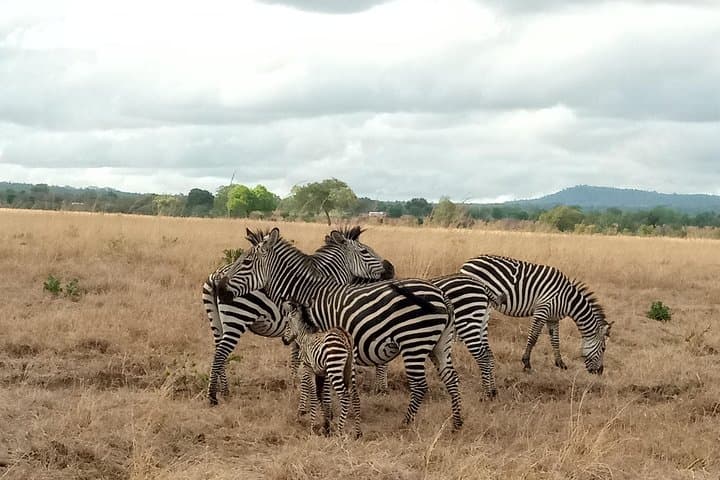
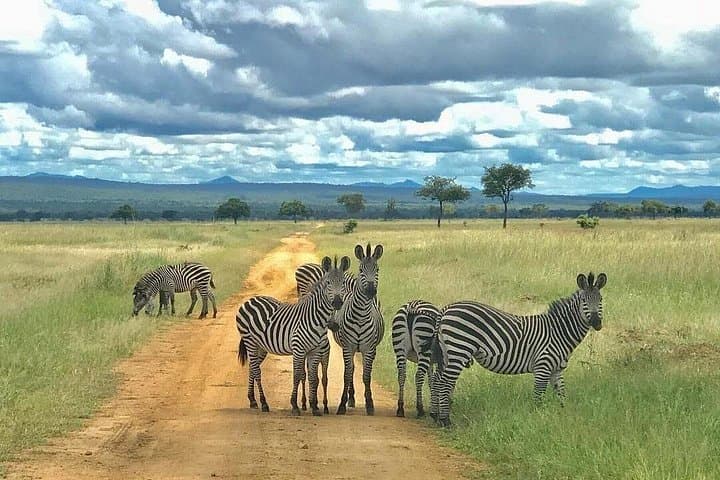
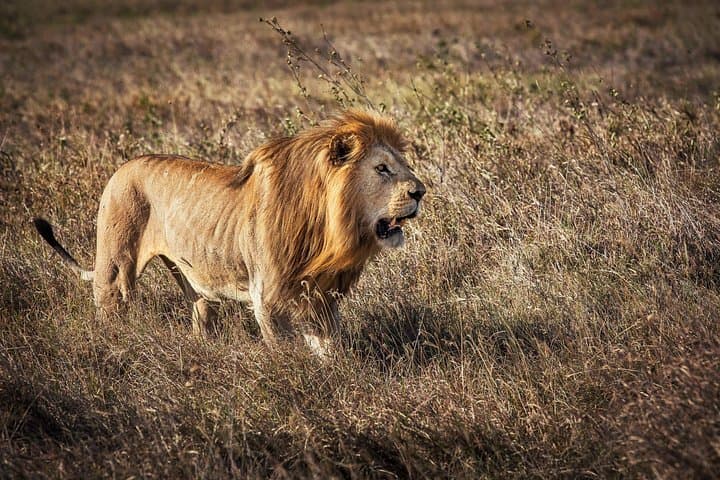
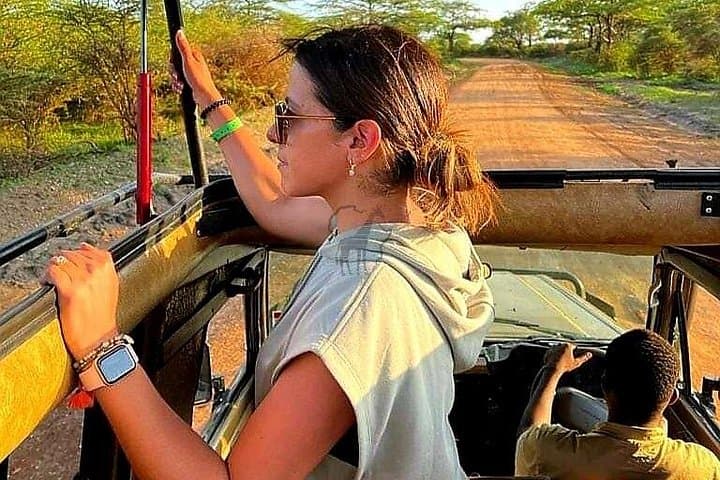
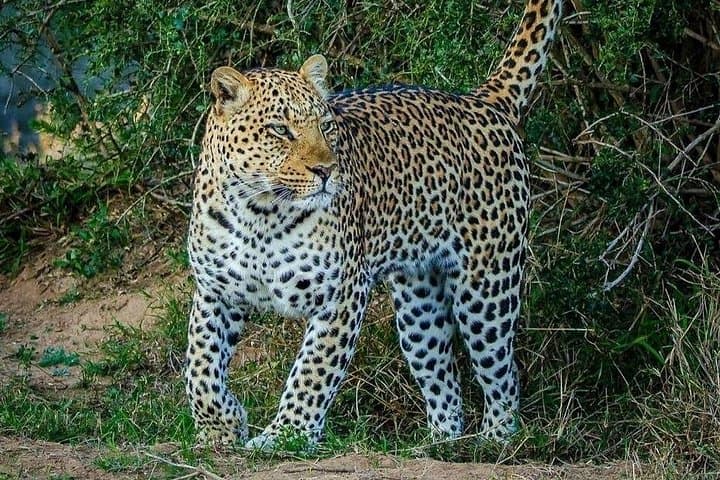
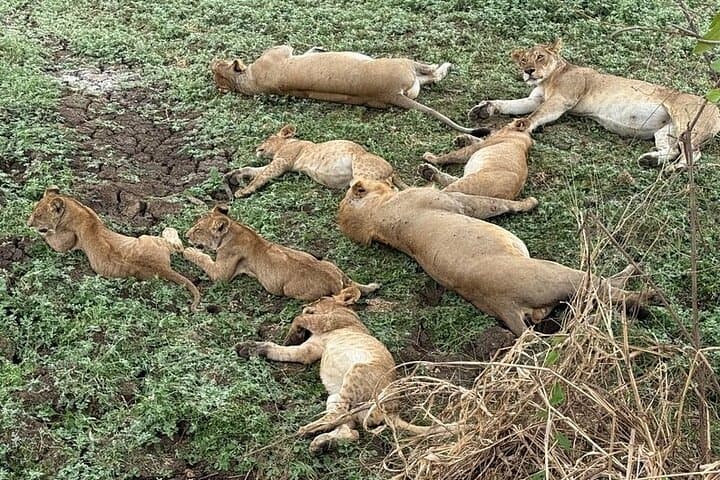
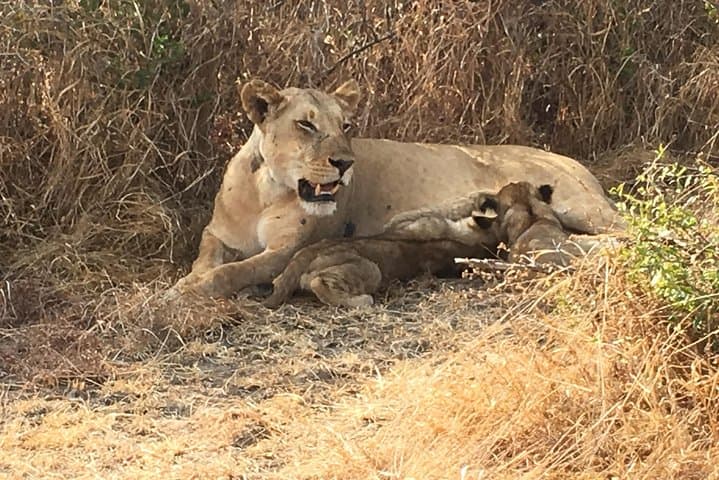
Located in the Niassa Province of northern Mozambique, Niassa Reserve covers an expansive area of approximately 42,000 square kilometers, making it one of the largest protected wilderness areas in Africa. The reserve features diverse habitats including miombo woodlands, dense riverine forests, open savannas, and seasonal wetlands. This variety supports a wide range of wildlife, including significant populations of African elephants, lions, African wild dogs, leopards, and buffaloes. Niassa Reserve is also home to numerous bird species, making it a popular destination for bird watchers. The remote nature of the reserve means it remains relatively undisturbed by mass tourism, offering visitors an authentic experience of wild Africa. Historically, the reserve was created in 1954 during Portuguese colonial rule with the objective of preserving Mozambique's natural heritage. Today, conservation efforts focus on combating poaching and promoting sustainable tourism. Safari activities in Niassa center on game drives, guided walking safaris, and cultural visits to local communities living on the reserve’s periphery. The area is less developed than other southern African parks, attracting travelers seeking solitude and adventure in an off-the-beaten-path destination. The reserve's importance extends beyond tourism: it plays a critical role in regional biodiversity conservation and wildlife corridor connectivity. Visitors also have the chance to see remote baobab trees, seasonal wetlands, and the Majune River, a lifeline during dry months. Although infrastructure is minimal, dedicated camps and lodges offer a comfortable base for exploring the expansive landscape. Access can be challenging but rewarding for those seeking wilderness encounters far from urban centers.