Wilderness Landscape & Natural Heritage
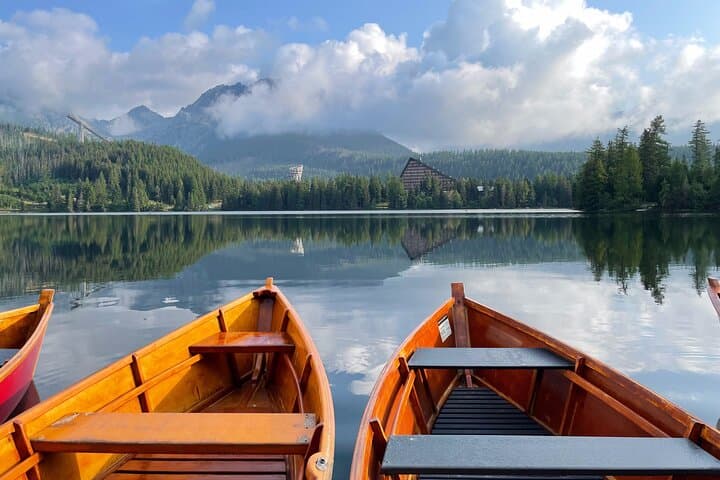
Neusiedler See-Seewinkel National Park is situated in the Burgenland region of eastern Austria, encompassing the eastern shore of Lake Neusiedl and the adjacent Seewinkel steppe and wetlands. It is one of Europe's largest endorheic lakes, characterized by its shallow, alkaline waters, reed beds, and surrounding salt marshes. The park's geography combines semi-arid steppe, salt lakes, and reed-fringed shores, creating an exceptional habitat that supports over 300 species of birds, including rare and migratory species like the European pond turtle, great egret, and the iconic purple swamphen. Historically, the area has been shaped by millennia of human management, with its cultural landscape reflecting traditional pastoralism and viticulture. The park is recognized as a UNESCO World Heritage Site, emphasizing its ecological and cultural importance. Outdoor recreation includes extensive hiking and cycling trails across open plains and wetland paths, ideal for bird watchers, nature photographers, and those seeking quiet natural beauty. Boating and windsurfing are popular on Lake Neusiedl's shallow waters, while winter transforms the park into a destination for cross-country skiing and ice skating when conditions permit. Key landmarks include the Gaenserndorf and Illmitz bird observation towers, which provide stunning panoramic views across the lake and wetlands. Visitors are drawn to the peaceful, expansive horizons, the rich biodiversity, and the mix of natural and cultural heritage that makes this park a unique gateway to Central Europe's steppe ecosystem.