Wilderness Landscape & Natural Heritage
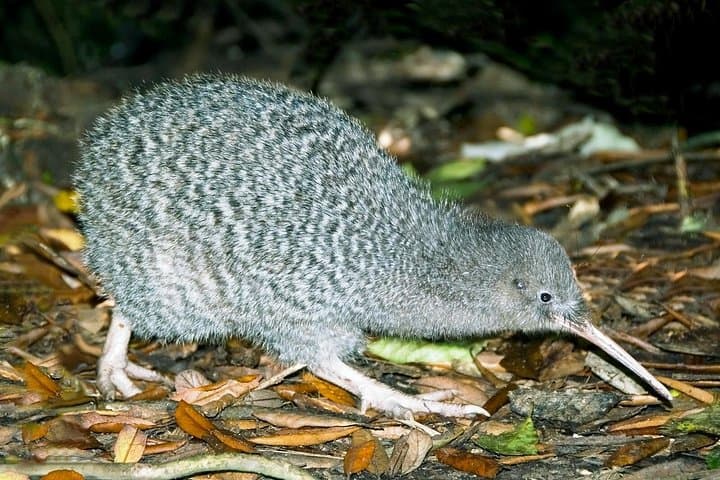
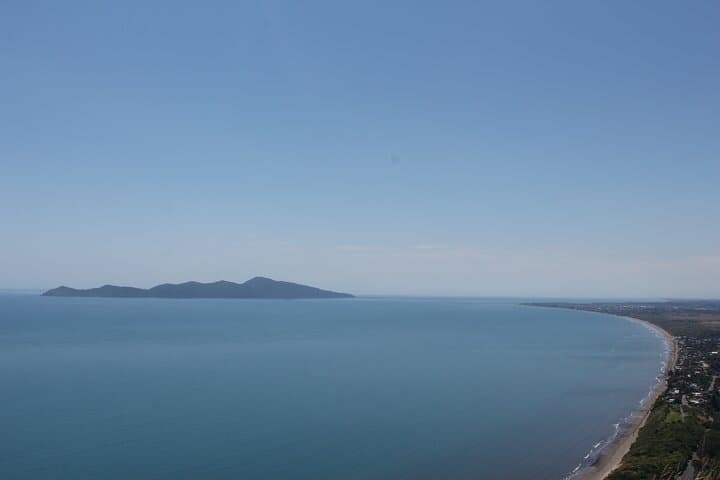
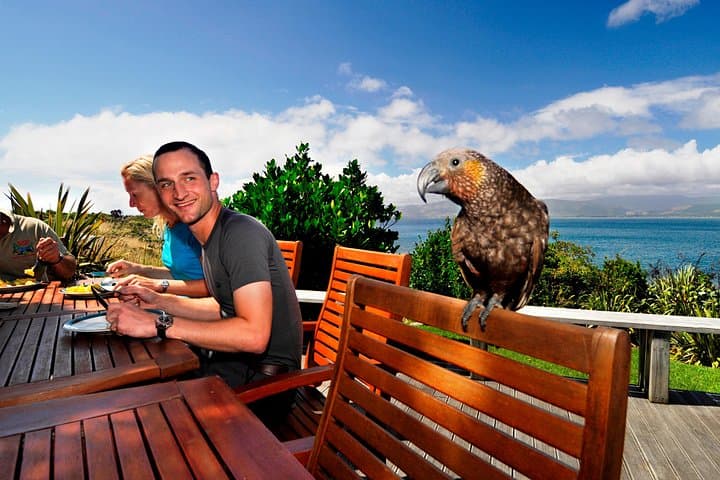
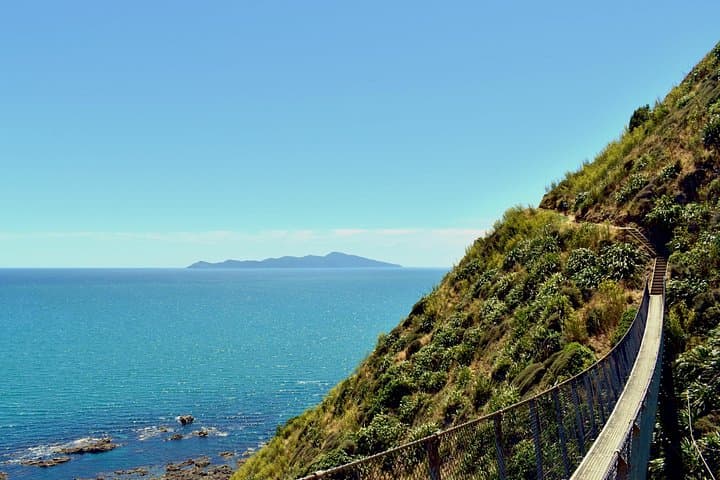
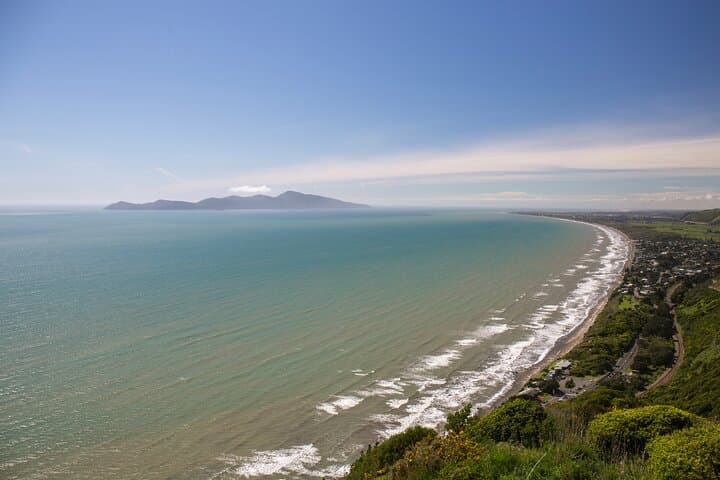
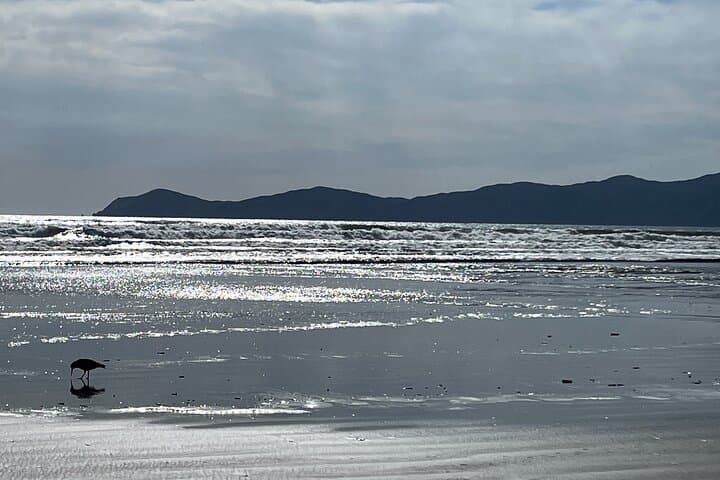
Kapiti Island Nature Reserve is a 2,000-hectare island sanctuary located approximately five kilometers off the southwest coast of the North Island near Wellington, New Zealand. The island spans roughly 10 square kilometers and is composed primarily of regenerating coastal forest and shrublands. It serves as one of New Zealand's premier conservation sites, securing critical habitat for many endangered and native bird species, including the iconic kiwi and the rare little spotted kiwi. Due to strict predator control and biosecurity measures, Kapiti Island remains free from invasive species such as rats, stoats, and possums, making it a vital refuge for native wildlife that has been eliminated from much of the mainland.
The island holds deep cultural significance for Māori, especially local iwi such as Ngāti Toa Rangatira, with rich histories tied to traditional harvesting, spiritual values, and stewardship. Visitors can access the island via regular boat services from Paraparaumu, with visitor numbers strictly limited to preserve the environment.
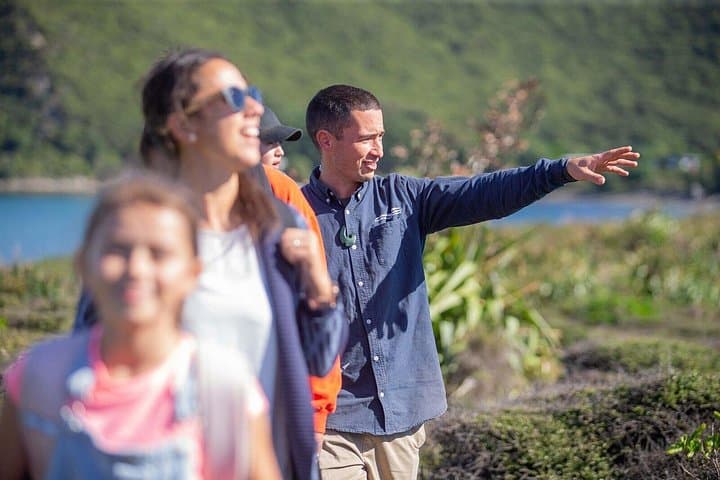
Outdoor enthusiasts will find a network of walking tracks ranging from gentle strolls to challenging hikes leading to panoramic viewpoints overlooking the Tasman Sea and Kapiti Coast. Highlights include encounters with rare birds like the takahe, tuatara reptiles, and stunning coastal environments. The island features no campsites or overnight accommodation for casual visitors; overnight access is restricted to authorized researchers and conservation personnel.
Kapiti Island is admired for its peaceful natural setting, rich biodiversity, and ongoing conservation efforts, attracting birdwatchers, hikers, and eco-tourists aiming to experience New Zealand's natural heritage in a uniquely protected environment.