Wilderness Landscape & Natural Heritage
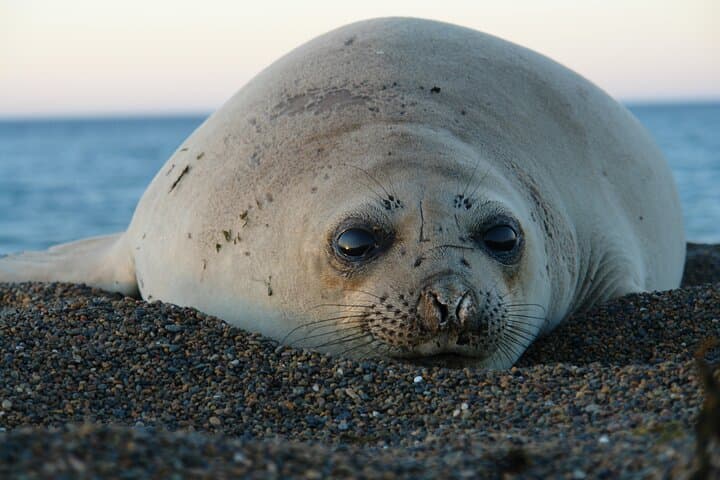
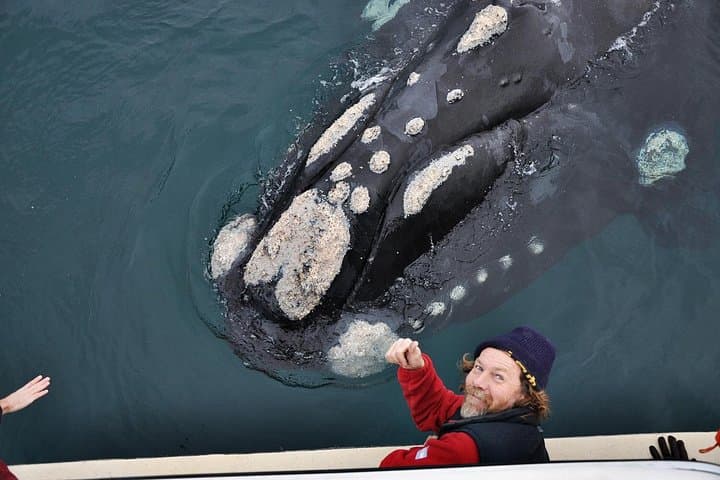
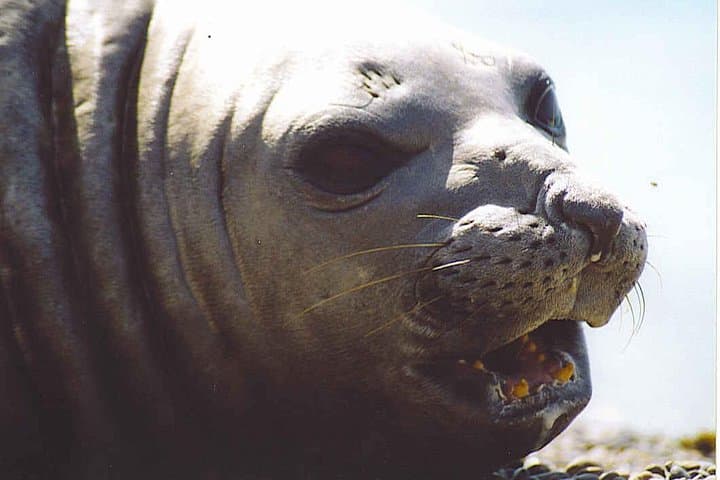
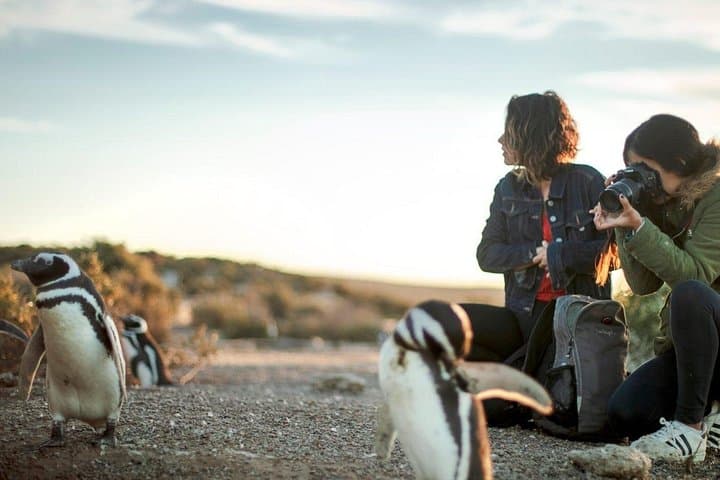
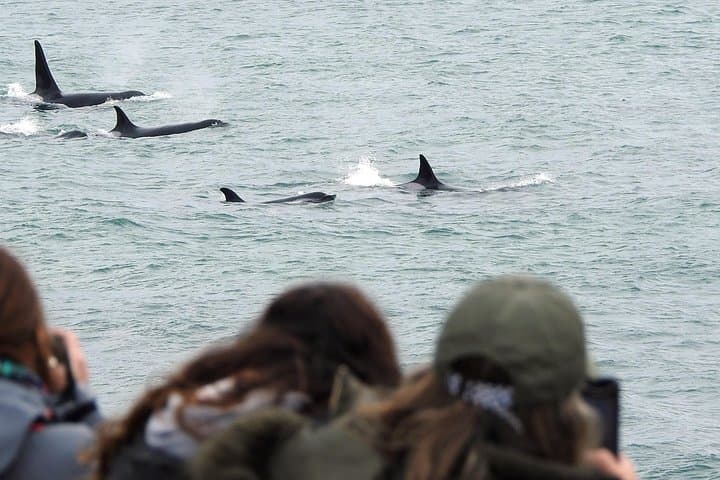
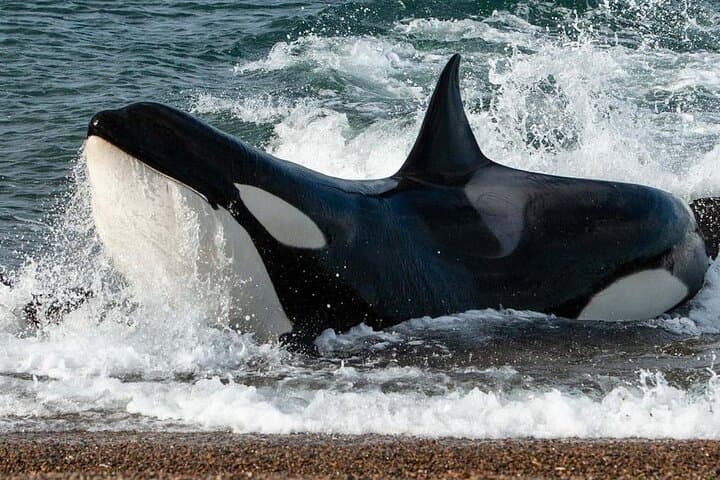
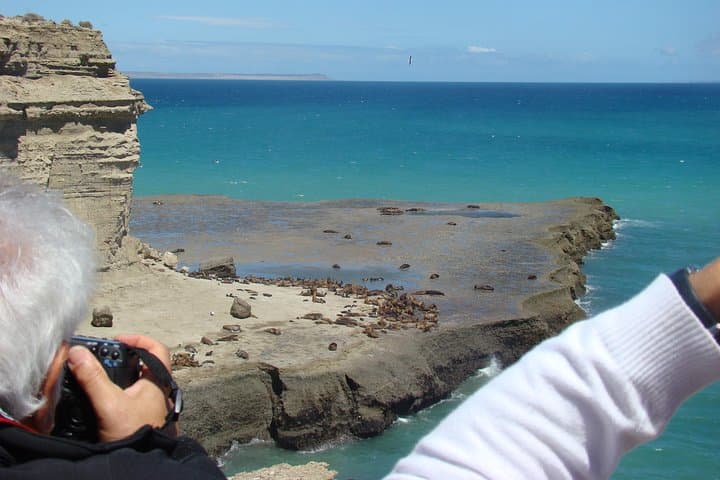
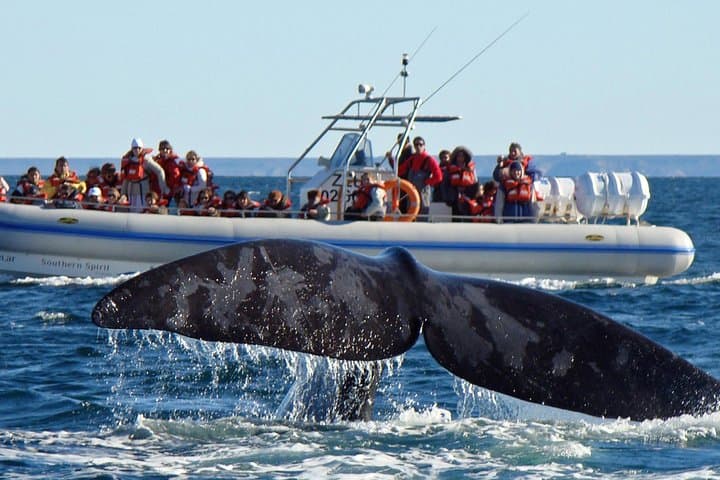
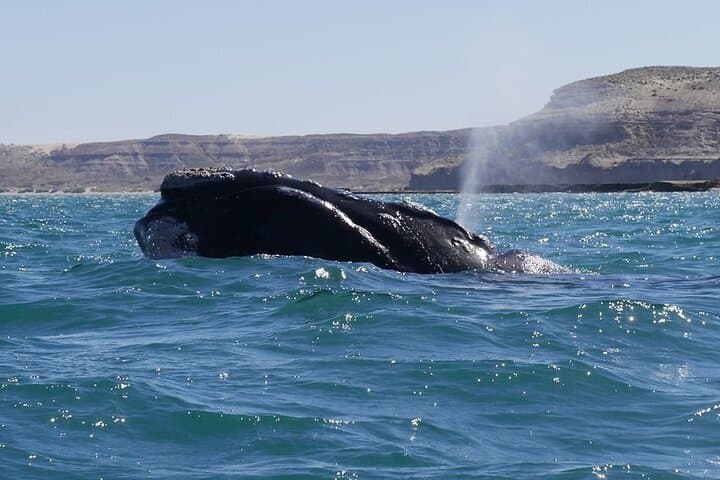
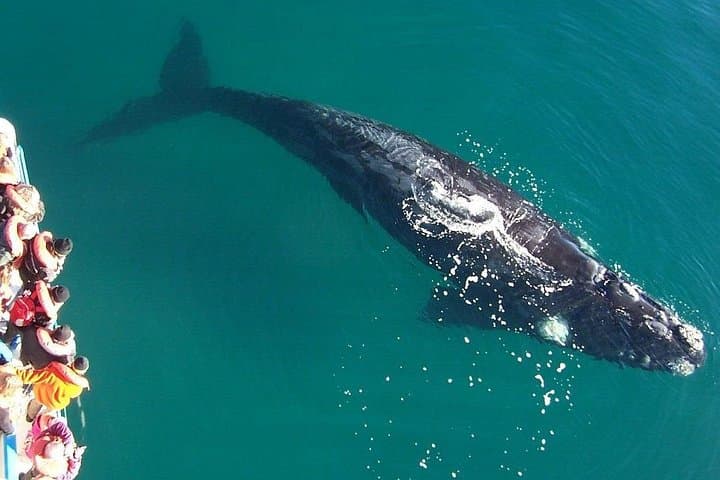
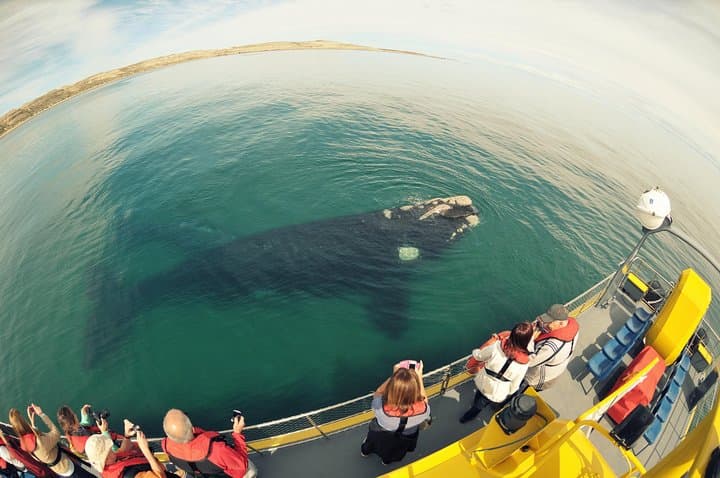
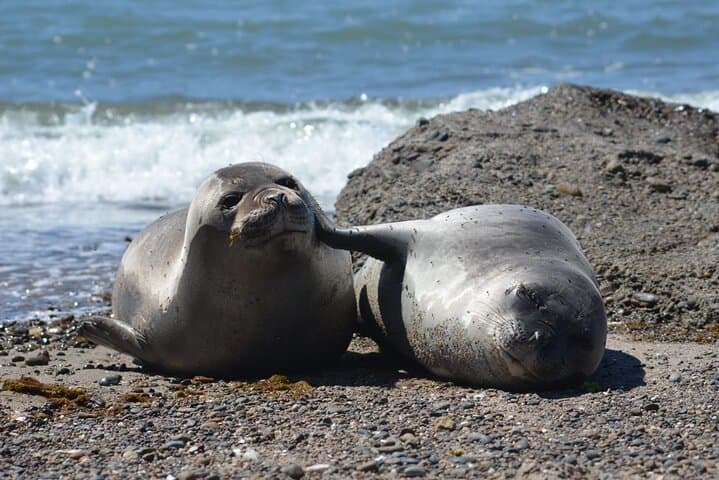
Península Valdés Natural Reserve is a vast coastal protected area located on the Atlantic coast of the Chubut Province in Patagonia, Argentina. It encompasses roughly 4,000 square kilometers of rugged cliffs, beaches, lagoons, and arid shrublands. This reserve plays a critical role as one of the world's most important breeding grounds for marine mammals. Visitors flock here especially during the southern hemisphere summer to witness the incredible diversity of marine life, including southern right whales, orcas, elephant seals, sea lions, and Magellanic penguins. Inland, the area supports populations of guanacos, rheas, and lesser-known Patagonian endemic plants and birds. The peninsula’s dramatic geography features dramatic cliffs like the Punta Norte and Punta Delgada, as well as expansive beaches that serve as haul-out zones for seals and sea lions. Established as a reserve in 1990 and designated a UNESCO World Heritage Site in 1999, Península Valdés balances wildlife conservation with eco-tourism, offering interpretive centers and guided tours. Popular activities include guided boat tours focusing on whale watching, beach walks to penguin colonies, and scenic drives to historic lighthouses. The reserve's remote location and delicate ecosystems require visitors to respect strict guidelines to preserve habitat integrity. Adventurers and wildlife enthusiasts appreciate the uniqueness of viewing large marine mammals in their natural environment while enjoying the largely untouched landscapes of Argentine Patagonia.