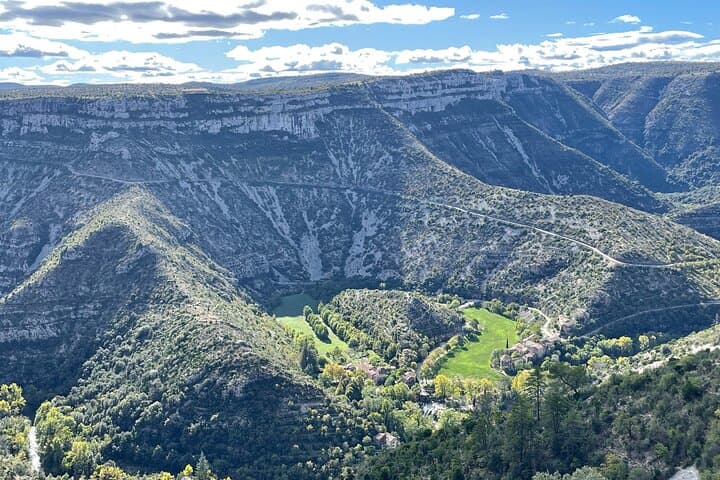
Wilderness Landscape & Natural Heritage
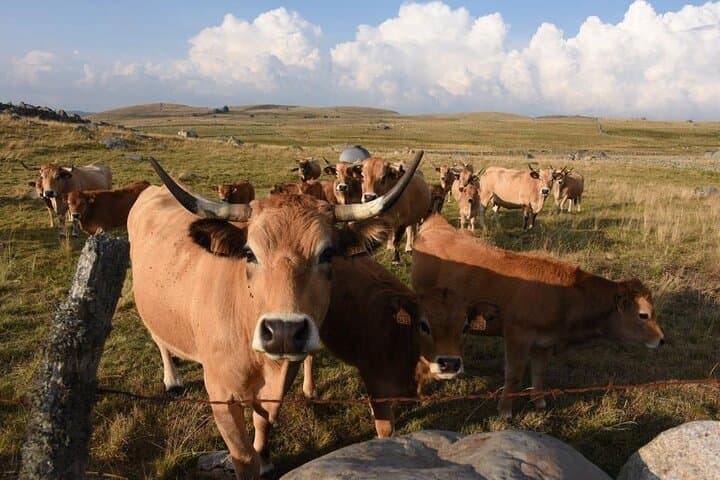
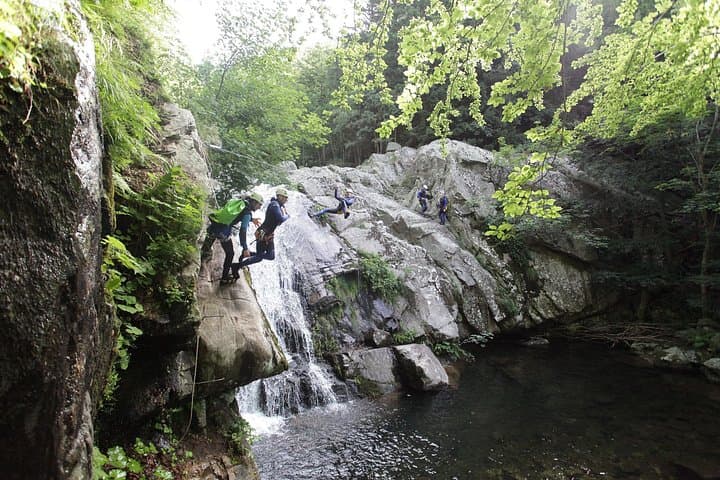
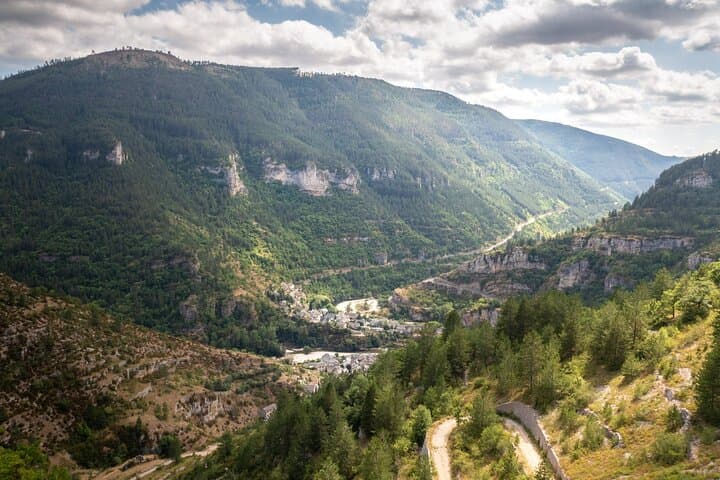
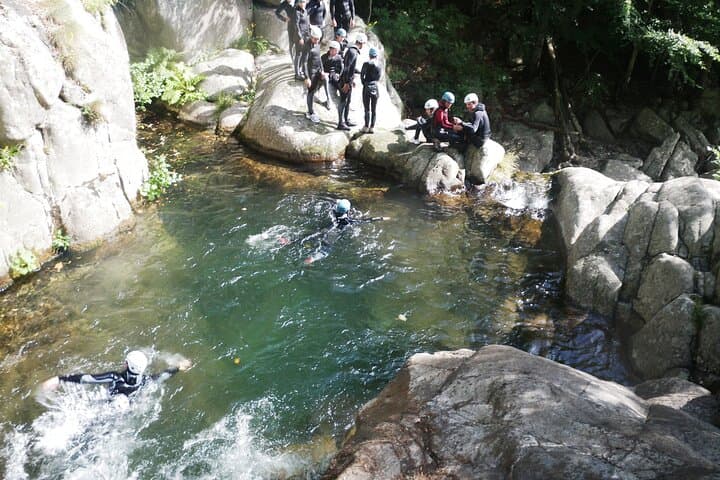
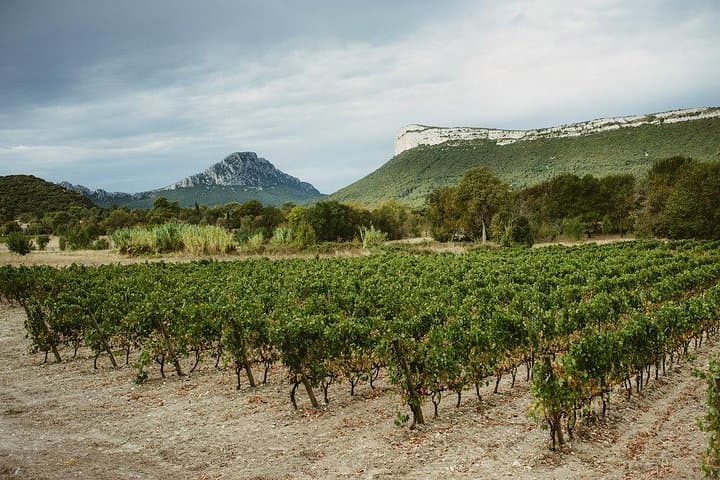
The Natura 2000 sites in the Cévennes region cover a wide range of habitats from montane forests and limestone plateaus to river valleys and calcareous grasslands. Located in southern France’s Massif Central, the Cévennes area is characterized by rugged landscapes including steep slopes, deep gorges, and high plateaus, shaped by both natural processes and centuries of traditional pastoralism. The network comprises multiple Special Areas of Conservation (SAC) and Special Protection Areas (SPA) designated to preserve habitats and species of European importance such as the lynx, Bonelli's eagle, several orchid species, and rare bats. The Cévennes also hosts one of the largest remaining tracts of chestnut forests in Europe. Outdoor enthusiasts can explore an extensive trail system connecting natural landmarks and traditional villages, with opportunities for hiking, wildlife viewing, mountain biking, and fishing in crystal-clear streams. The region is rich in cultural heritage, with historic paths, ancient terraced agriculture, and the UNESCO-recognized Cévennes National Park overlapping some Natura 2000 sites, enhancing visitor appeal. Popular landmarks include the Gorges du Tarn and Mont Lozère, the highest peak in the Cévennes. The Natura 2000 network helps balance conservation with sustainable tourism development, encouraging visitors to experience the natural wealth while supporting local communities. Winter brings occasional snow, adding seasonal diversity to exploration possibilities.