Wilderness Landscape & Natural Heritage
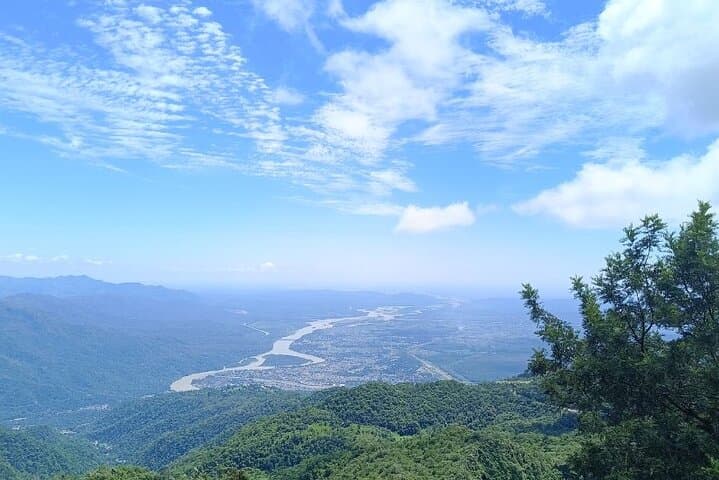
Rajaji National Park is located in the northern Indian state of Uttarakhand, encompassing parts of Haridwar, Dehradun, and Pauri Garhwal districts. Spanning over a diverse landscape that includes riverine forests, grasslands, and rugged Shivalik hills, the park serves as a vital wildlife corridor connecting the Western and Central Himalayas. Established in 1983 and later expanded in 2015, Rajaji covers nearly 820 square kilometers and features the confluence of the Ganges and Yamuna rivers in its vicinity. The park's ecology supports a robust population of Asian elephants, Bengal tigers, leopards, sambar deer, spotted deer, and Himalayan birds. Besides its rich fauna, the park is known for its dense sal forests and riverine bamboo groves, supporting an intricate ecosystem. Visitors can explore several zones of the park through jeep safaris, elephant rides, and guided trekking routes that vary in difficulty and length. Notable landmarks within and near the park include the Chilla Range, Motichur Range, and Surkanda Devi Temple which sits on a hilltop offering panoramic views. Rajaji's relatively accessible location near major cities such as Haridwar and Dehradun makes it a popular destination for wildlife enthusiasts and outdoor adventurers looking to experience the Himalayan foothills' wilderness. The park also plays a significant role in local conservation efforts, including the protection of endangered species and habitat restoration programs.