Wilderness Landscape & Natural Heritage
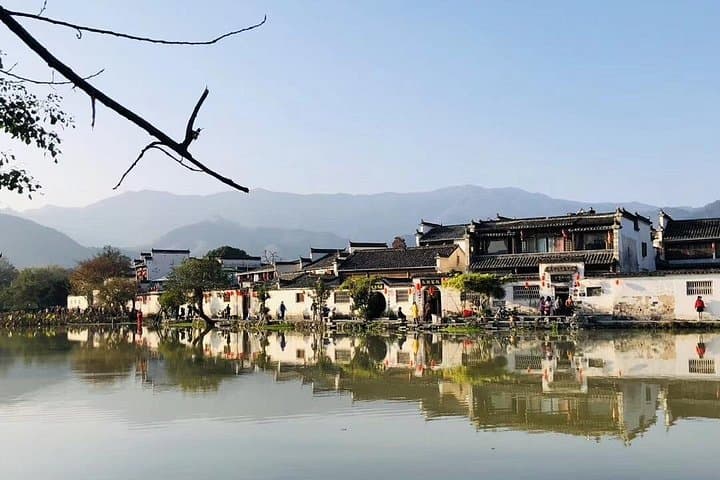
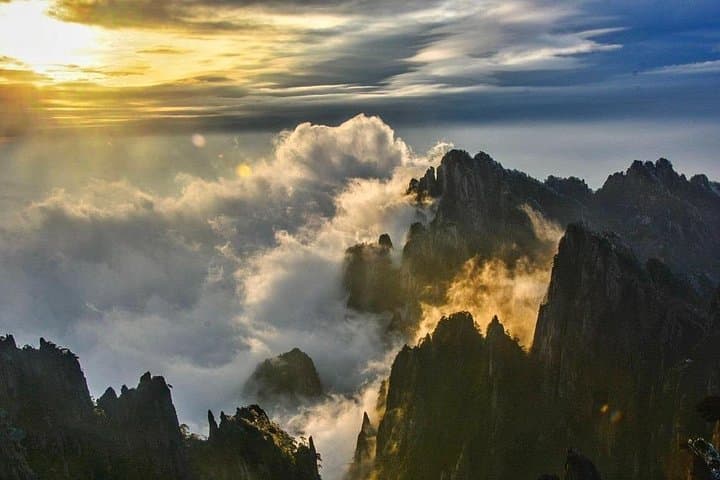
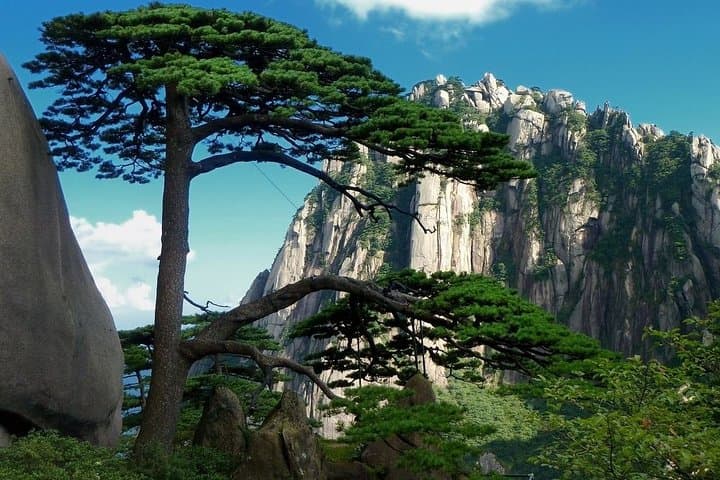
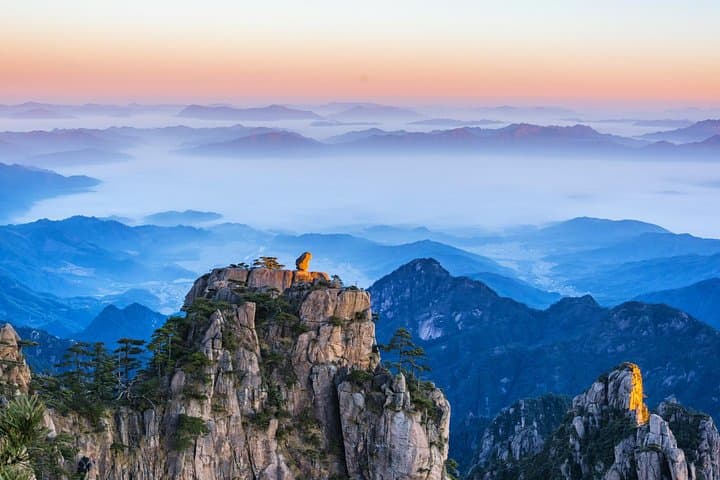
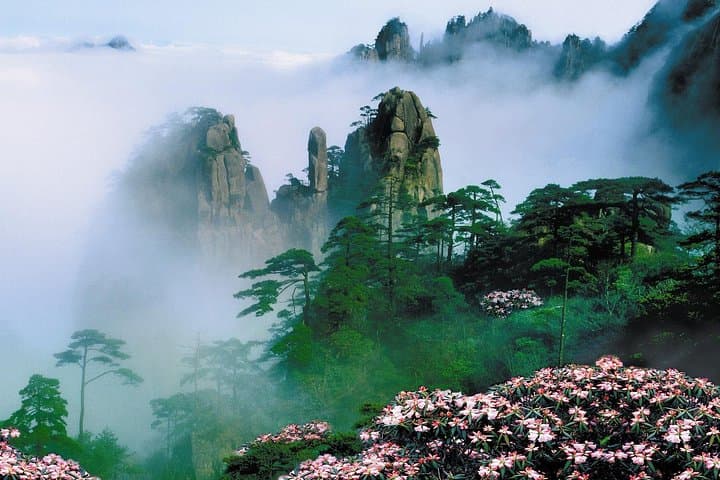
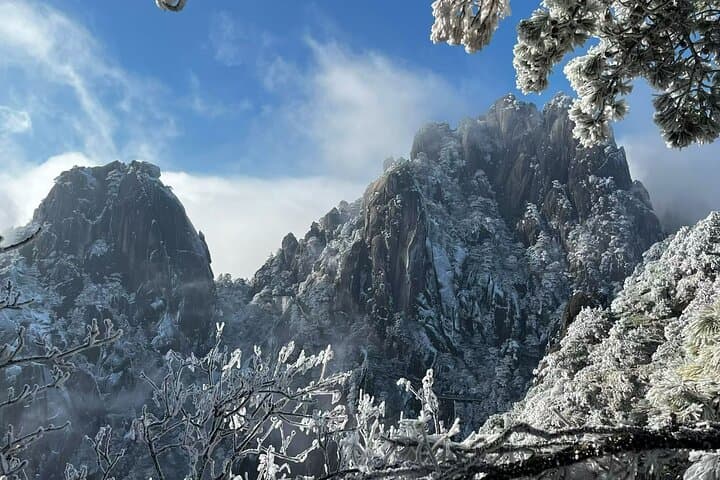
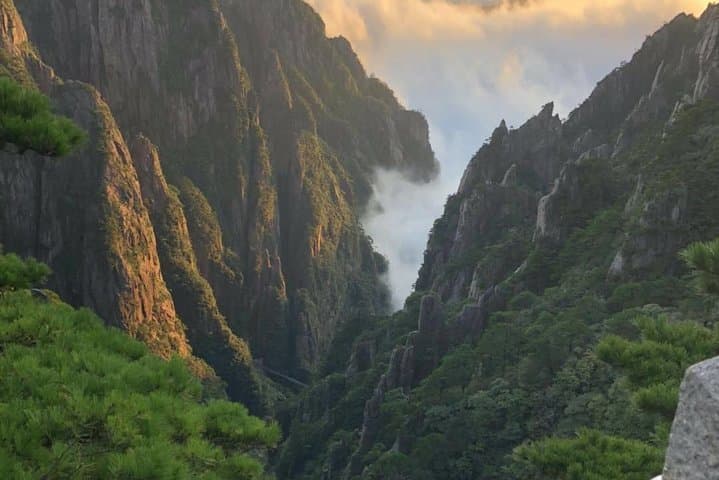
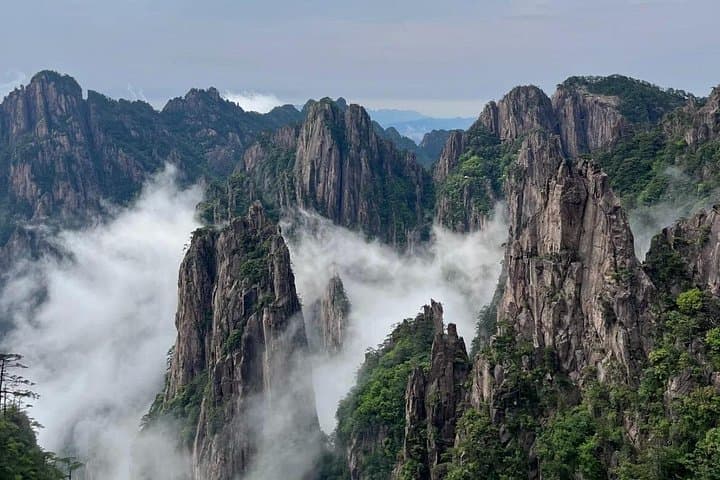
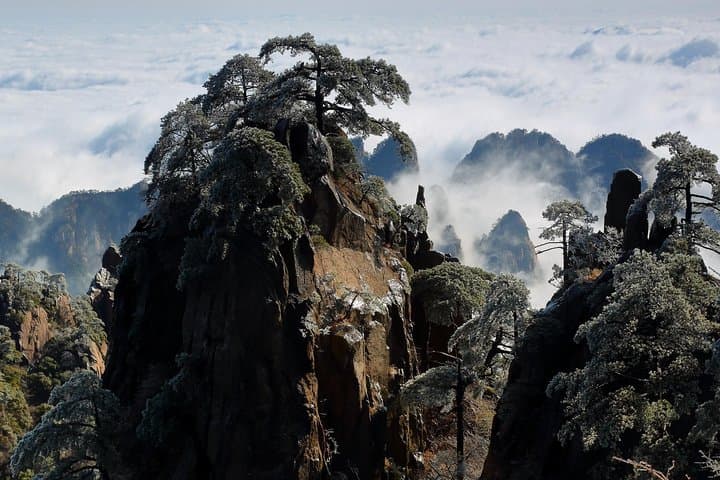
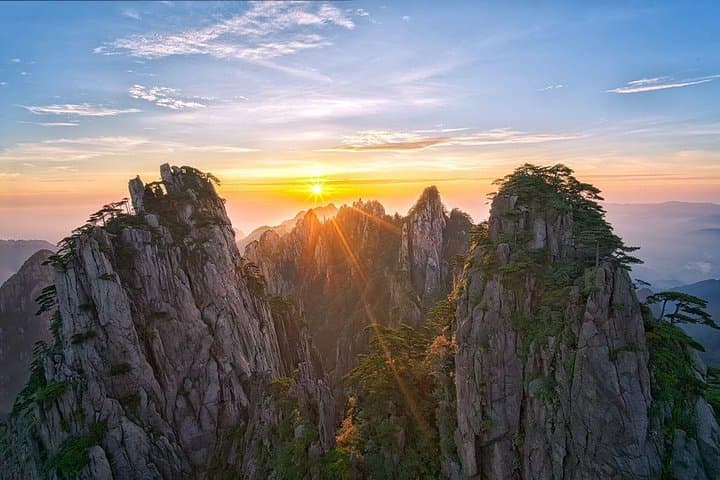
Mount Sanqing National Park is located in Jiangxi Province, eastern China, encompassing a spectacular granitic mountain range formed over hundreds of millions of years. The park is named after the 'Three Pure Ones' (Sanqing), the highest summits symbolizing Taoist deities, and is renowned for its striking granite pillars, dense forests, and mist-covered scenery that presents an ethereal landscape. Its geography features rugged peaks, deep valleys, waterfalls, and crystal-clear streams. The area hosts a broad spectrum of flora and fauna, including rare and endemic species such as the Chinese giant salamander and several ancient plant species, making it an important biodiversity hotspot.
Historically, the mountain has served as an important center for Taoism for over 1,500 years, with numerous temples, statues, and shrines embedded within the natural landscape, adding significant cultural and spiritual value. Key recreation opportunities center around hiking and sightseeing along well-maintained trails that lead to breathtaking viewpoints like Yujing Pavilion and Yuhua Temple, as well as exploring diverse rock formations and old-growth forests. Visitors are drawn by the park’s combination of natural beauty, peaceful spiritual ambiance, and photographic potential highlighted by frequent mist and cloud cover that dramatizes the jagged granite spires. The park is accessible year-round but is particularly spectacular in spring and autumn.