Wilderness Landscape & Natural Heritage
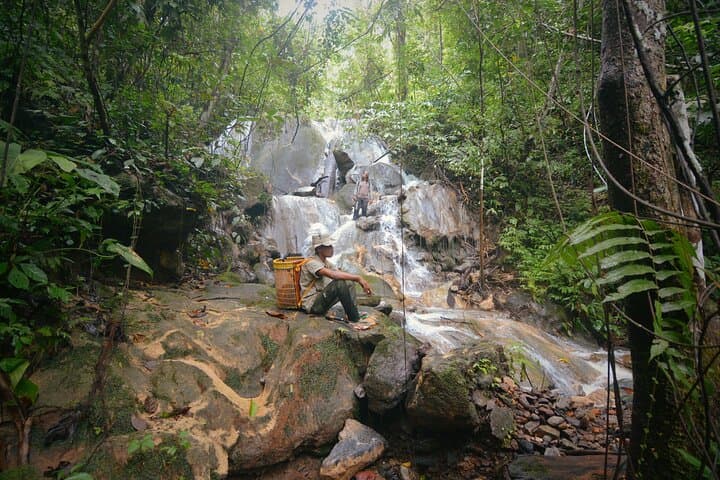
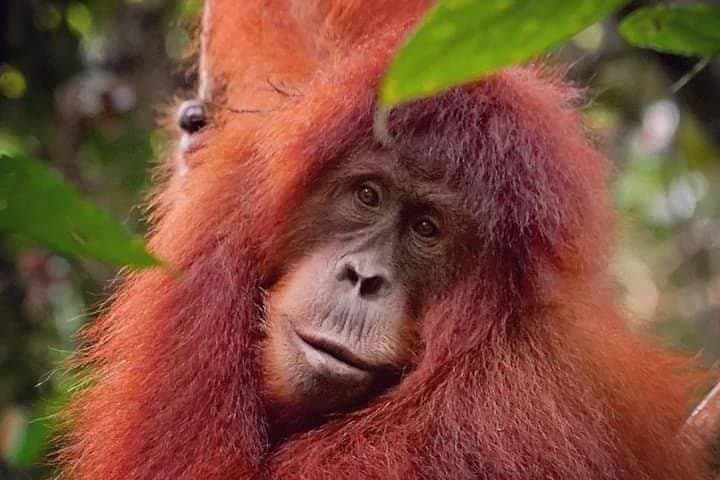
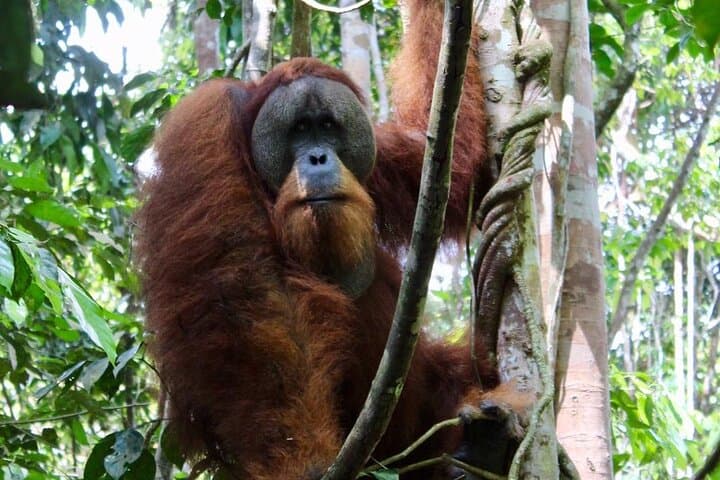
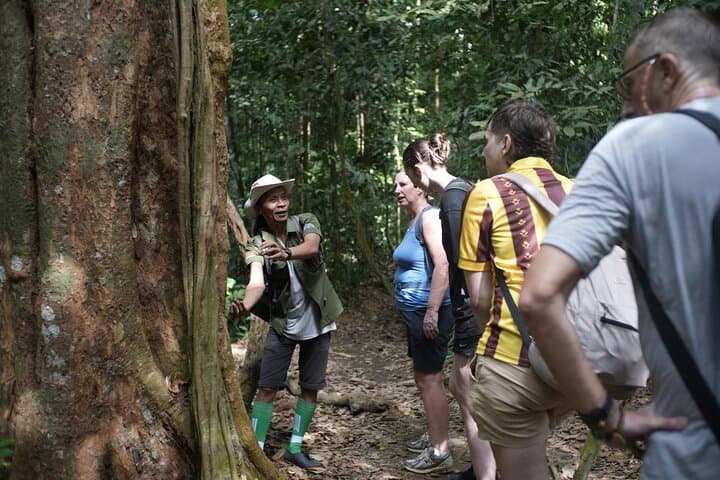
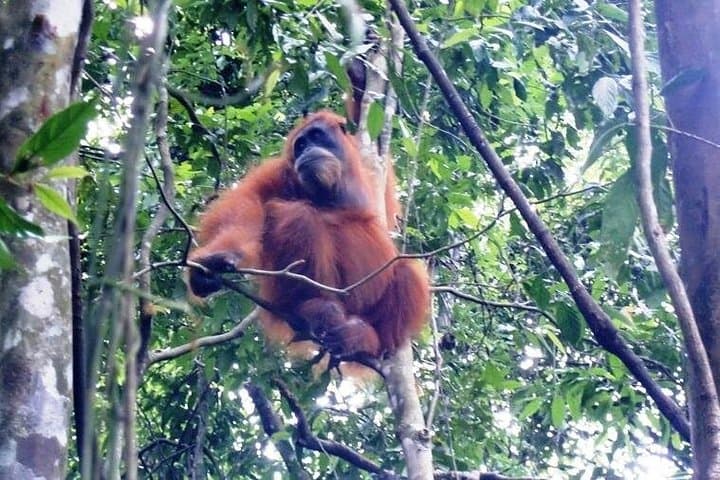
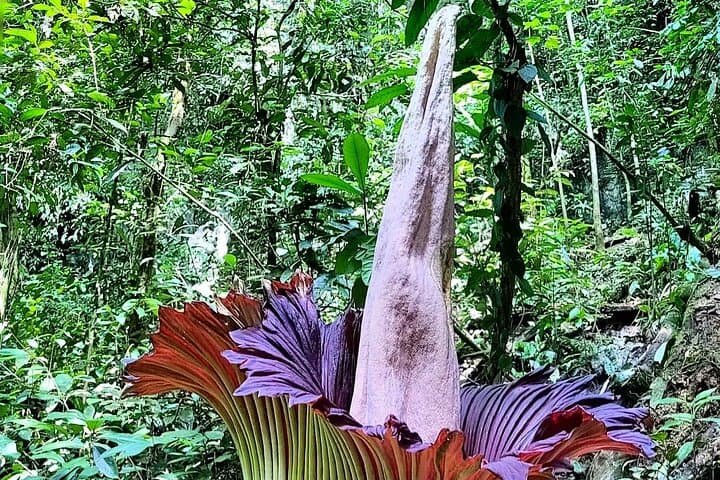
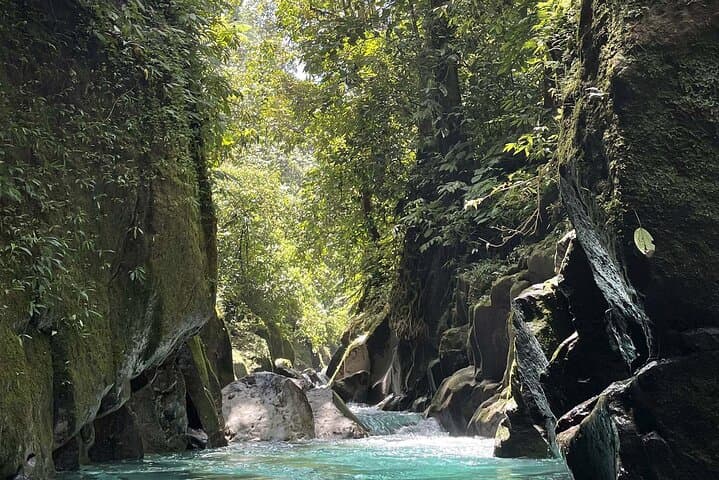
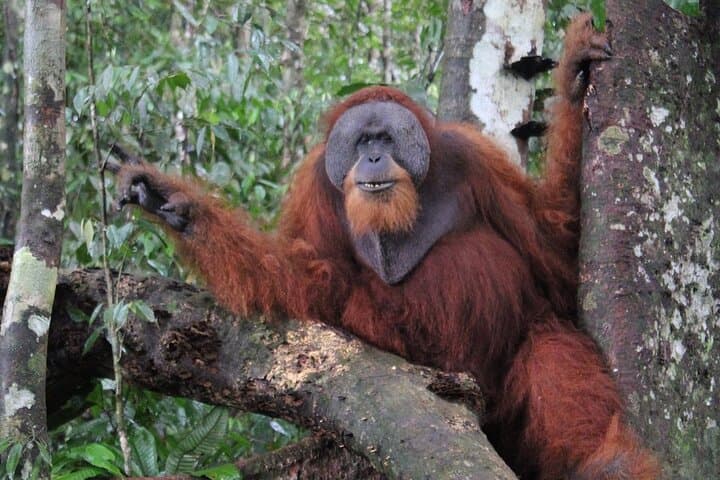
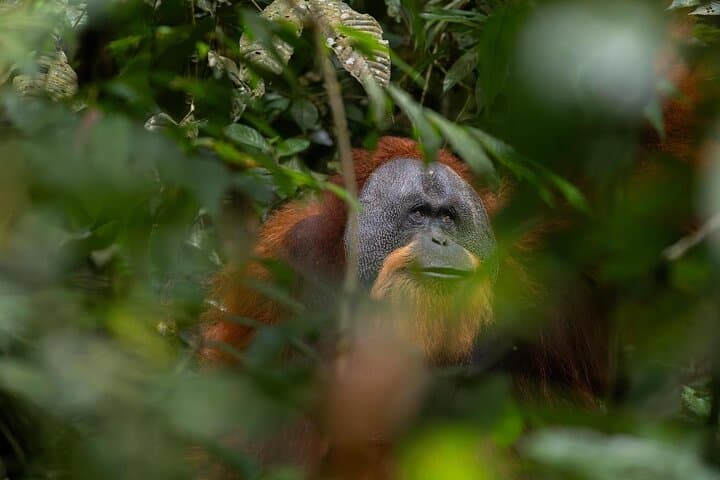
Mount Leuser National Park spans over 8,600 square kilometers across the provinces of Aceh and North Sumatra in Indonesia. Established in 1980, it is one of the largest national parks in Southeast Asia and a key component of the Tropical Rainforest Heritage of Sumatra UNESCO World Heritage Site. The park is centered around Mount Leuser, an active stratovolcano reaching 3,404 meters, which contributes to the park’s varied terrain of rugged mountains, deep valleys, limestone caves, and dense lowland and montane rainforests. This diverse landscape supports an extensive variety of wildlife, including endangered species such as the Sumatran orangutan, Sumatran tiger, Sumatran rhinoceros, and Asian elephant. The park is a crucial habitat for these species, offering protection and preservation opportunities. Visitors to Mount Leuser National Park engage in trekking expeditions through thick jungle trails, guided wildlife spotting, and visits to remote villages within the park’s buffer zones. Popular treks include multi-day routes leading to the summit of Mount Leuser, offering panoramic views of surrounding forests and volcanic peaks. Rivers and waterfalls provide natural resting points and adding to the scenic appeal. The park also holds cultural significance, with local indigenous communities coexisting alongside the natural environment, maintaining traditional land uses and knowledge. The combination of pristine rainforest, challenging hikes, and the chance to observe rare wildlife makes Mount Leuser a compelling destination for adventure seekers and conservation-minded travelers alike.