Wilderness Landscape & Natural Heritage
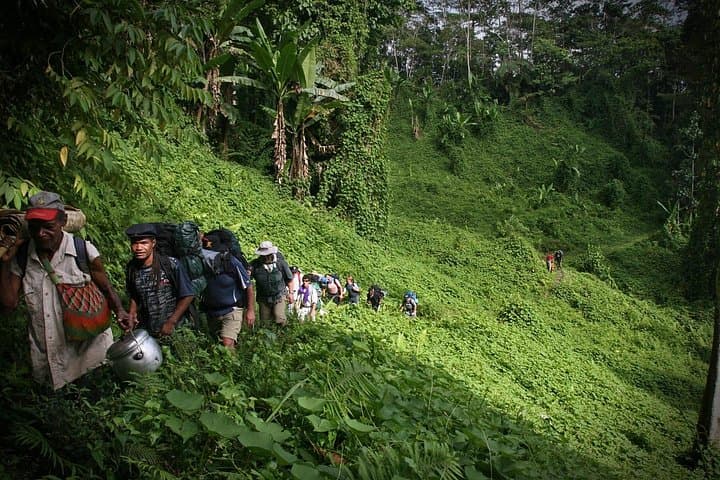
Mount Giluwe Conservation Area protects the massif of Mount Giluwe, an extinct volcanic shield mountain rising to 4,368 meters (14,340 feet), making it the second highest peak in Papua New Guinea and the highest volcano in Oceania. This conservation area spans high-altitude grasslands, montane forests, and moorlands characterized by unique flora and fauna adapted to cooler climates uncommon in the tropical region. The area is rich in endemic plants, including various species of tree ferns and orchids, as well as wildlife like tree kangaroos, birds of paradise, and other rare bird species, making it an important biodiversity hotspot. Historically, Mount Giluwe holds cultural significance for local indigenous communities, who sometimes act as guides and stewards. Recreation on Mount Giluwe primarily revolves around multi-day trekking routes to the summit, which provide panoramic views of the surrounding Central Highlands. The trek features glacial terraces, alpine meadows, and remnants of ancient volcanic calderas. Visitors experience a remote and rugged environment, often camping at designated sites along the route. Due to its high elevation and equatorial location, the mountain sometimes receives frost and light snow, offering rare tropical alpine conditions. The conservation area appeals to adventurous outdoor enthusiasts and nature lovers seeking remote wilderness, high-altitude trekking, and wildlife viewing opportunities in Papua New Guinea’s distinctive alpine environment.