Wilderness Landscape & Natural Heritage
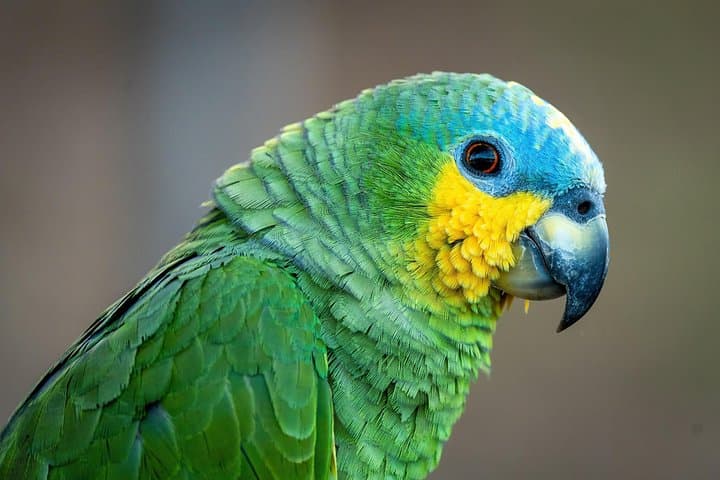
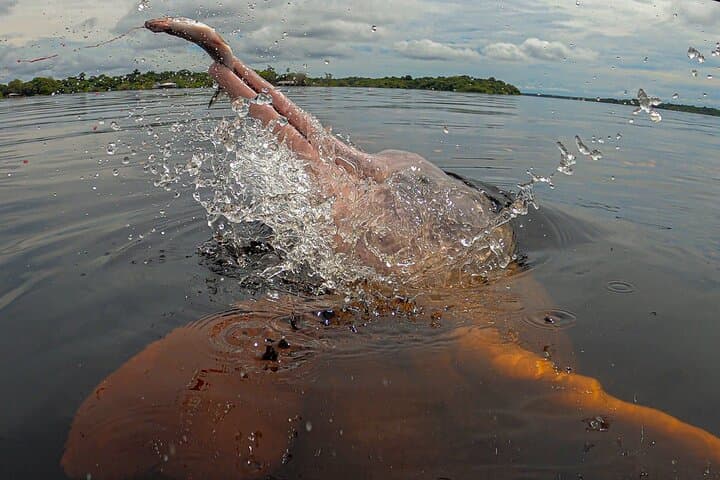
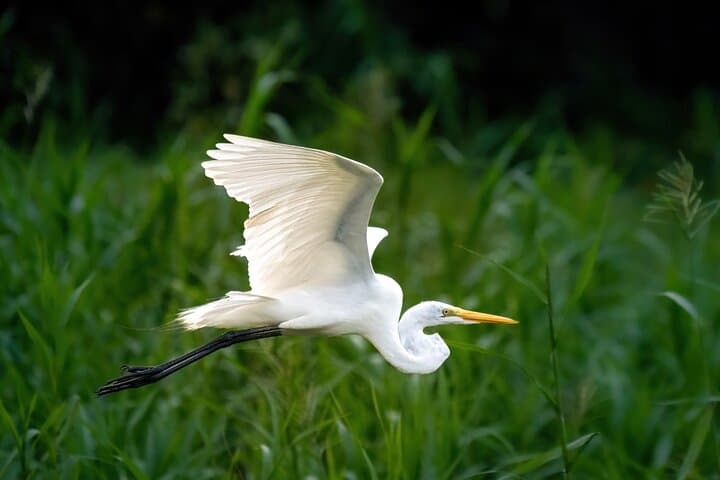
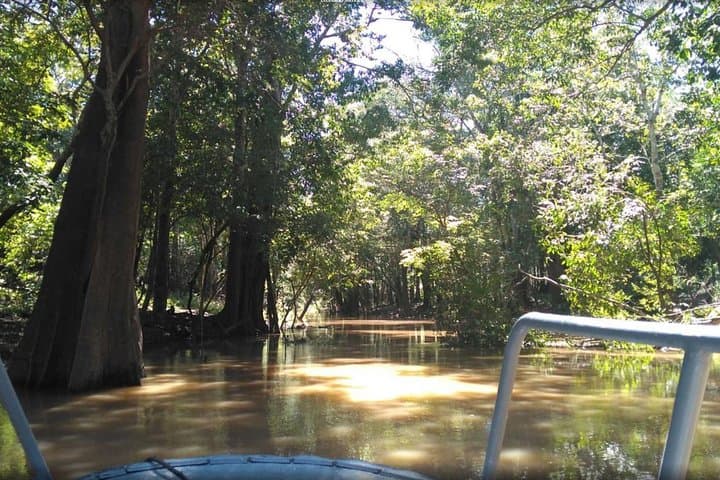
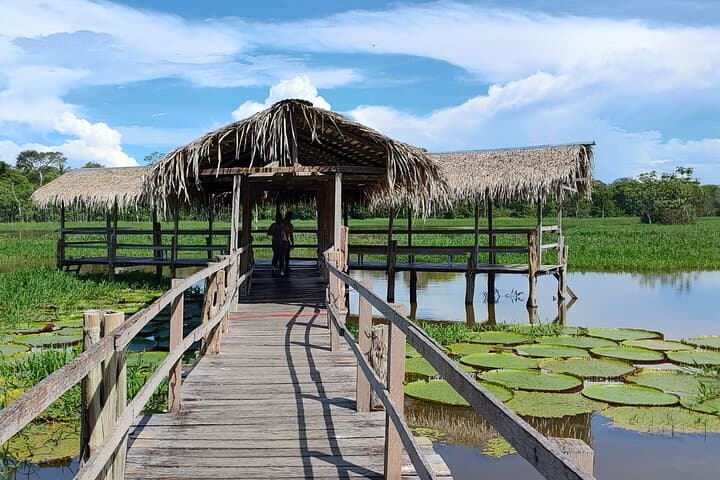
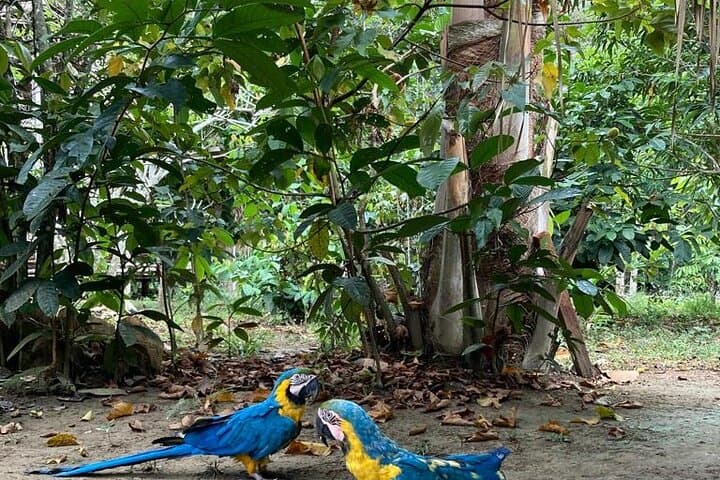
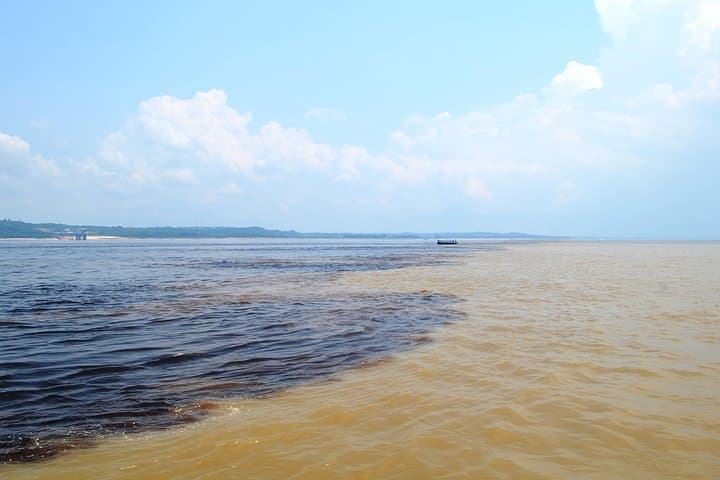
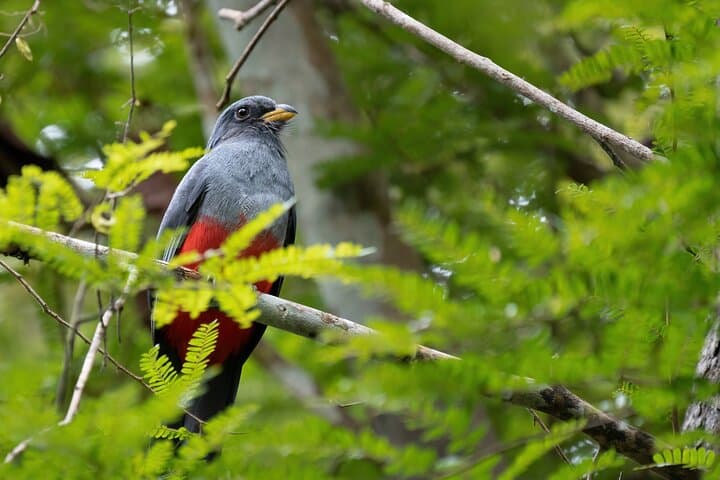
Moriche Palm Swamps, found primarily throughout the lowland tropical regions of northern South America, are distinctive wetland ecosystems characterized by the prevalence of the Moriche palm (Mauritia flexuosa). These swamps play vital ecological roles in countries including Brazil, Peru, Colombia, and Venezuela. The landscape is typically flat and flooded seasonally, creating lush, waterlogged environments ideal for the Moriche palm groves. These swamps harbor incredible biodiversity, including rare and endemic species such as giant river otters, wattled curassows, black caiman, and a variety of fish and bird species. Historically, indigenous peoples have sustainably utilized Moriche palms for food, construction materials, and traditional medicine. Today, these wetlands remain culturally significant while offering unparalleled opportunities for wildlife observation, birdwatching, and eco-tourism. Visitors are drawn by the extraordinary scenery of sweeping palm canopies and reflective waterscapes amid tropical humidity. Key landmarks within these swamps often include natural lagoons, nesting sites for endangered birds, and pathways that allow exploration of the intricate waterway networks by canoe or small boat. Accessibility can vary from remote river-access points to more established eco-lodges around the outskirts, blending rustic adventure with environmental education. The swamps' importance extends beyond recreation; they are crucial for carbon storage, water filtration, and flood control, underscoring their global ecological significance. Wildlife enthusiasts and researchers particularly value these habitats for their contributions to tropical biodiversity conservation.