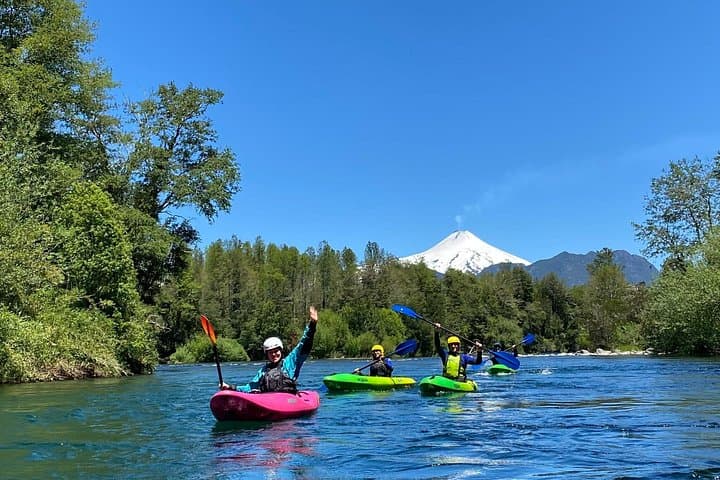
Wilderness Landscape & Natural Heritage
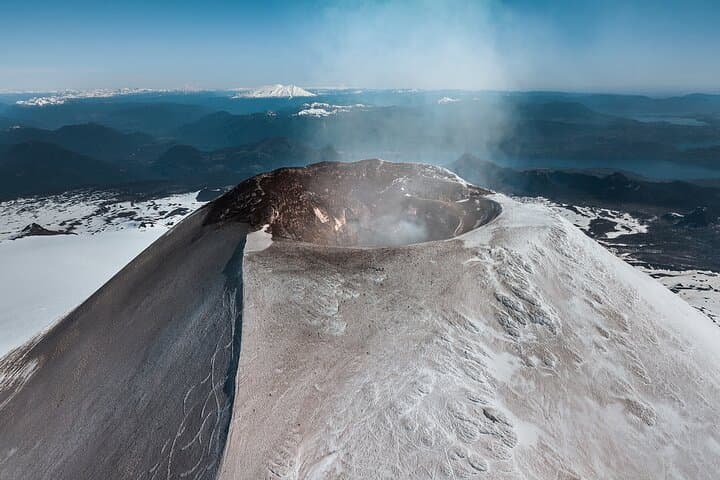
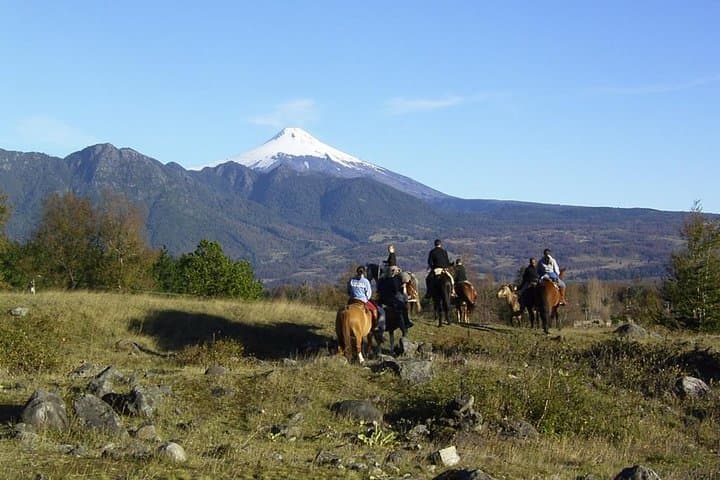
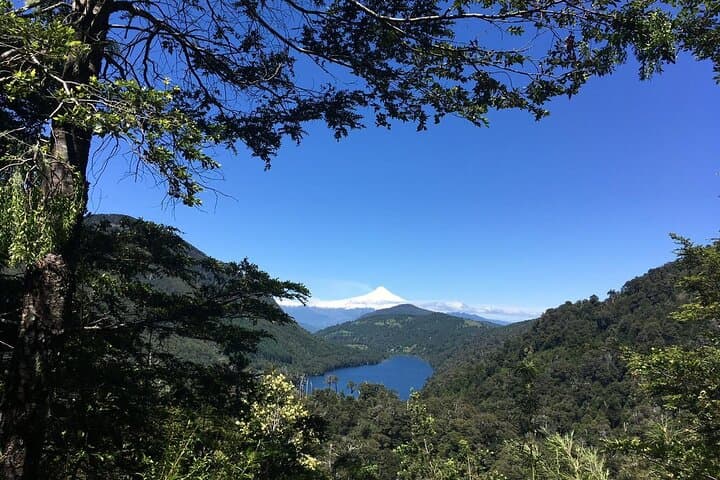
Mocho-Choshuenco National Park is located in the Los Ríos and Los Lagos regions of Chile, covering a rugged volcanic landscape dominated by the Mocho and Choshuenco volcanoes. The park lies on the eastern side of the Chilean Lake District and features extensive native Valdivian temperate rainforests, alpine meadows, and glacial lakes. Its dramatic geography includes two snow-capped stratovolcanoes—Mocho and Choshuenco—that attract visitors year-round for mountaineering and skiing during winter months. The park's hydrology includes numerous rivers and lakes, notably Lago Pellaifa and the Fui River watershed. Established in 1994, the area conserves important flora such as coihue and arrayán trees, alongside native fauna including pudú (the smallest deer species), foxes, and diverse birdlife. Recreational activities range from hiking and mountain biking to fishing and skiing at local ski resorts near the volcanoes. Popular trails ascend volcanic slopes and wind through dense forests, offering panoramic views of snowy peaks and tranquil lakes. The park's volcanic history and natural beauty provide unique experiences for nature lovers, adventure seekers, and photographers. Access points are generally via the towns of Panguipulli and Pucon, with various trails and camping areas that accommodate both day visitors and overnight stays. The area is also culturally significant to the Mapuche people, adding a layer of historical context to the natural environment. Visitors appreciate the balance of wilderness and accessibility found in Mocho-Choshuenco National Park.