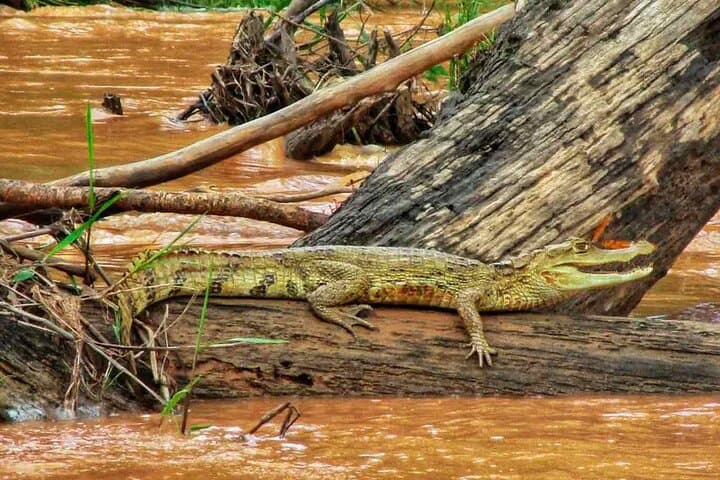
Wilderness Landscape & Natural Heritage
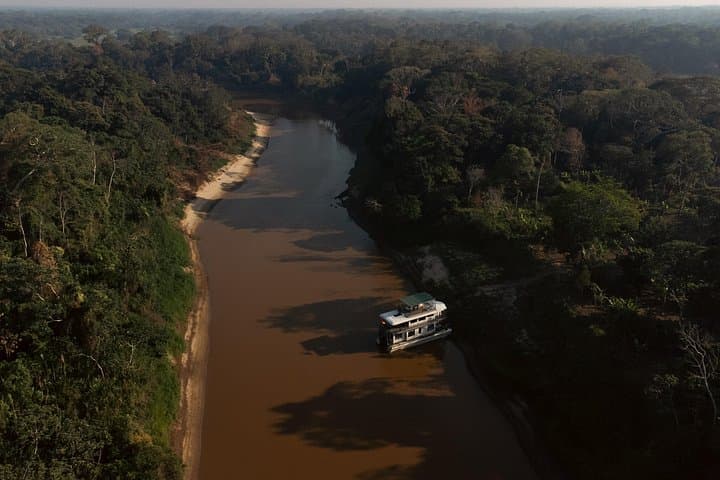
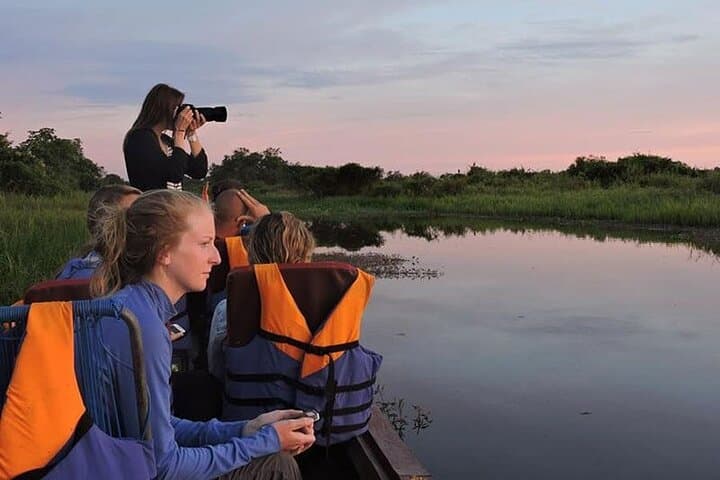
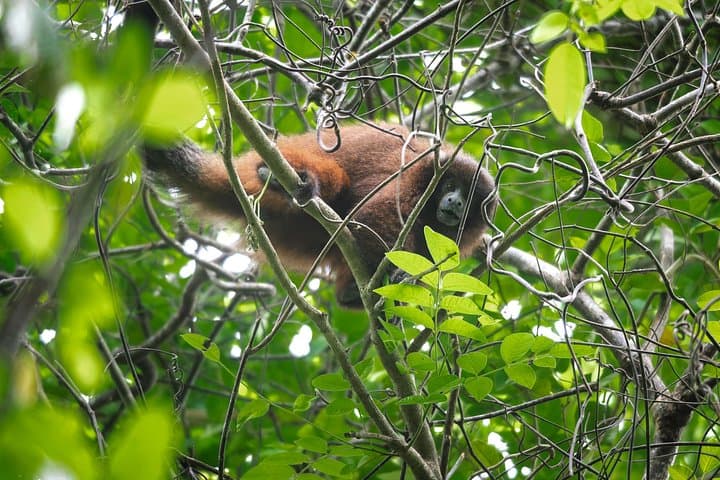
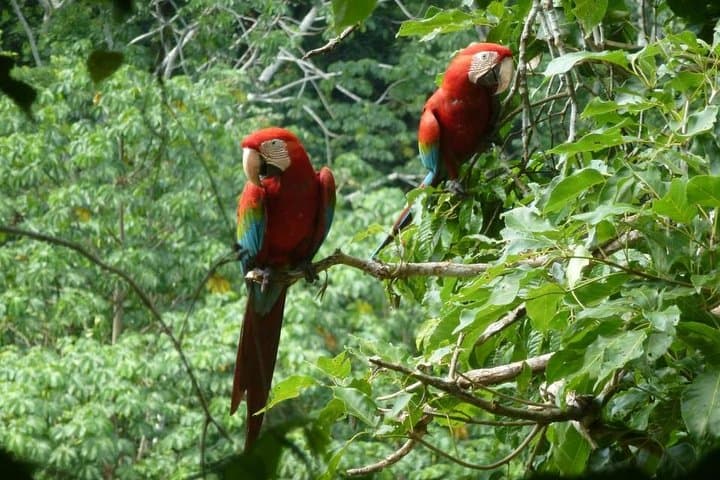
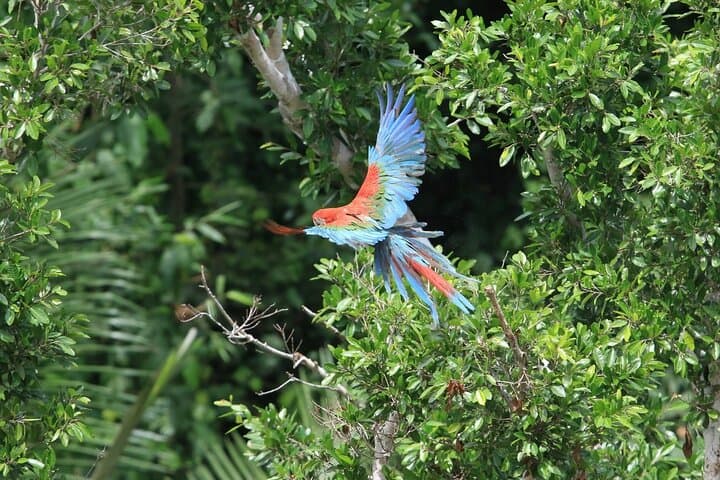
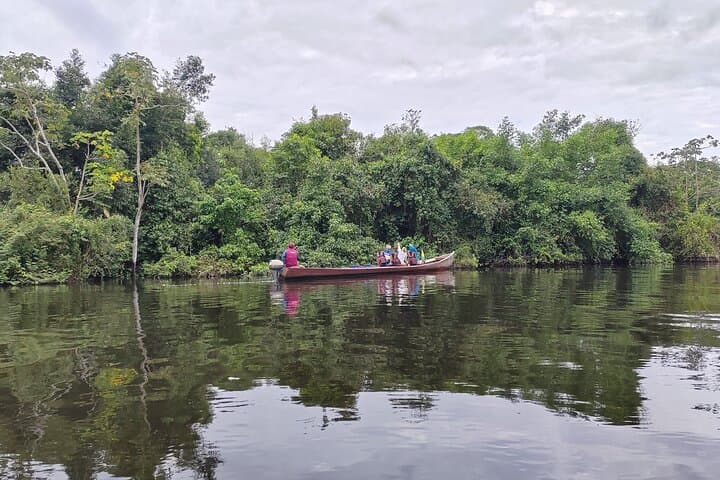
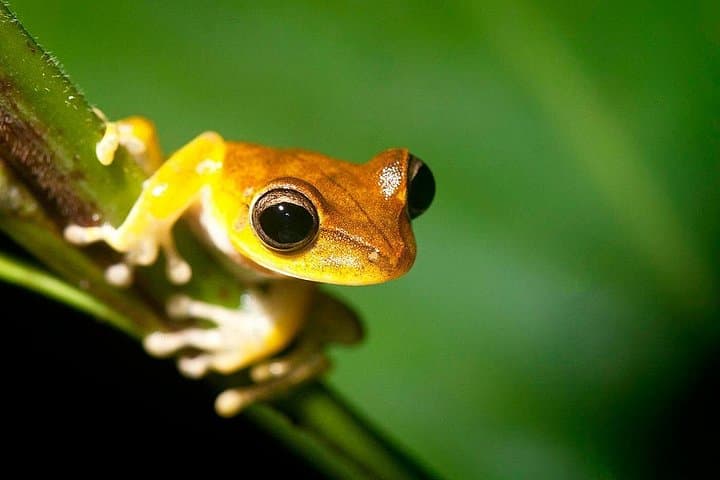
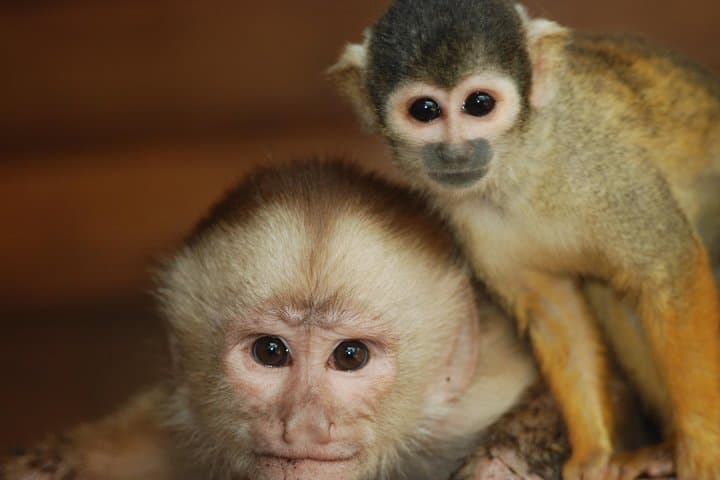
Mapinguari National Park, established in 2008, encompasses nearly 1.7 million acres of dense Amazon rainforest spanning the states of Rondônia and Acre in Brazil. This park protects an extensive swath of tropical forest, rivers, and wetlands, functioning as a critical habitat for numerous endangered and endemic species. It presents a mosaic of ecosystems including terra firme forest, flooded várzea areas, and nutrient-poor white-sand enclaves. The park is named after the legendary Mapinguari, a mythical creature said to inhabit the Amazon. Mapinguari National Park is largely inaccessible by road and is primarily explored by river travel, making it a true wilderness experience favored by adventurous ecotourists and researchers. Notable wildlife includes jaguar, giant river otter, harpy eagle, tapir, and various primates, while its rivers contain rich aquatic biodiversity including pink river dolphins. The park is important for carbon sequestration and climate regulation, playing a key role in preserving the Amazon basin’s integrity. Visitor infrastructure is minimal, with no developed campgrounds or visitor centers; trips require guides and careful planning. Activities focus on guided jungle treks, wildlife watching, canoeing, and cultural exchanges with indigenous communities living nearby. Its remoteness and challenging terrain provide a pristine setting for immersive nature experiences and scientific study of Amazonian biodiversity under threat from logging and development. Mapinguari’s protected status helps safeguard one of the last largely intact large forest blocks in western Amazonia.