Wilderness Landscape & Natural Heritage
The Manglares y Humedales del Estero de Alvarado is a critical estuarine wetland system located along the Gulf Coast of the Mexican state of Veracruz. This expansive estuary comprises a network of mangrove forests, tidal channels, lagoons, and mudflats that provide essential habitat for numerous species of flora and fauna, including a wide variety of migratory and resident birds, fish, crustaceans, and reptiles. Covering a significant stretch of coastal land, the area functions as a natural buffer protecting inland regions from storm surges and coastal erosion, while supporting local fisheries and traditional communities dependent on its natural resources. The estuary's mangroves primarily include red, black, and white mangrove species that form dense thickets, which are crucial for maintaining water quality and carbon sequestration.
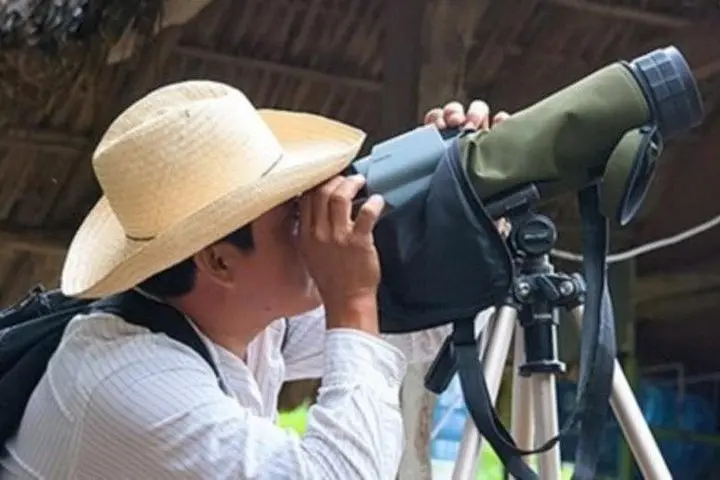
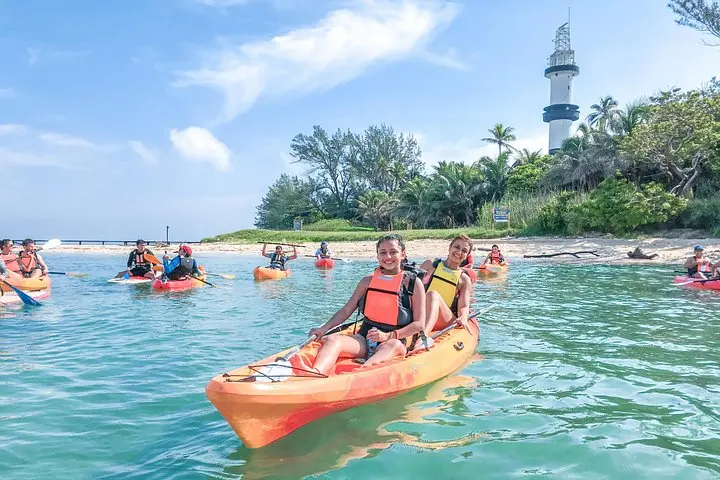
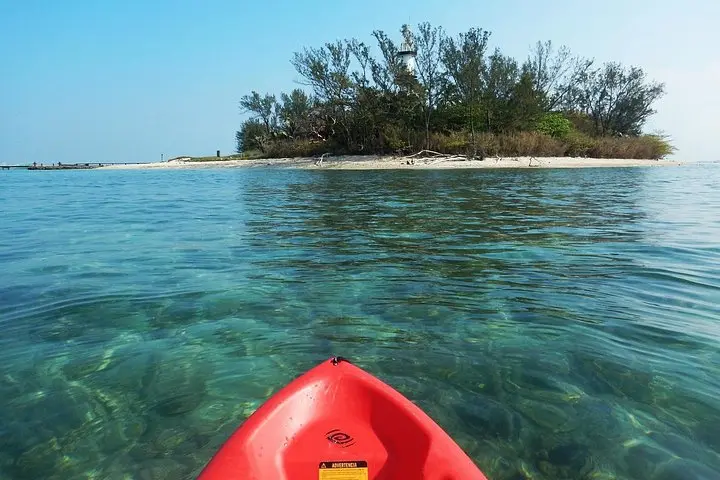
Historically, the Estero de Alvarado has been recognized for its ecological importance and biodiversity, leading to various conservation efforts to preserve its delicate balance amid increasing pressures from urban development, pollution, and unsustainable resource exploitation. For visitors, the site offers rewarding opportunities for birdwatching, especially during migratory seasons when large flocks of waterfowl and shorebirds pass through. Kayaking and guided boat tours are popular ways to explore the intricate waterways and witness the rich ecosystem up close. Additionally, local cultural experiences and sustainable ecotourism provide meaningful interactions with the people who have long thrived alongside the estuary.
Visitors are drawn to the peaceful natural beauty, the vibrant wildlife, and the chance to learn about the critical role these mangroves and wetlands play in coastal ecology. Its proximity to the city of Alvarado makes this a relatively accessible destination for day trips and educational excursions, contributing to growing awareness of wetland conservation in Mexico.