Wilderness Landscape & Natural Heritage
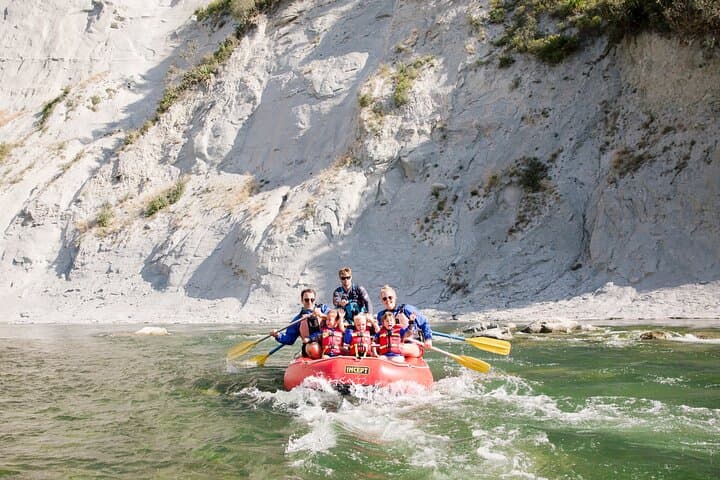
Manawatū Gorge Scenic Reserve is located in the Manawatū-Whanganui region on New Zealand's North Island, spanning an area of steep limestone cliffs and native bush lining the Manawatū River. The gorge forms a dramatic natural corridor between the Ruahine and Tararua Ranges, carved over millions of years by the river. The reserve is known for its impressive geological formations, with sheer rock faces rising above a river valley rich in native vegetation.
This area supports significant native flora, including various species of ferns, kohekohe, and beech trees, as well as native fauna such as kererū (wood pigeons), tūī birds, and rare invertebrates. The reserve holds cultural significance for local iwi (Māori tribes), with the Manawatū River historically serving as an important travel and food-gathering route.
Visitors to the reserve enjoy a range of outdoor activities, particularly walking and hiking, as several well-maintained trails wind through the forest and along the river gorge. Highlights include the challenging but rewarding walks to the lookout points that provide expansive views of the steep-sided gorge and river below. The reserve also offers opportunities for birdwatching and photography due to its rich biodiversity and dramatic landscapes.
The Manawatū Gorge itself was a vital transport link between the east and west coasts of the North Island, historically carrying a highway that has been closed since 2017 due to major slips, increasing the reserve's value as a natural and recreational asset. Ongoing conservation efforts aim to protect the fragile ecosystems within the gorge, maintain track safety, and enhance visitor experiences while respecting the cultural heritage of the land.