Wilderness Landscape & Natural Heritage
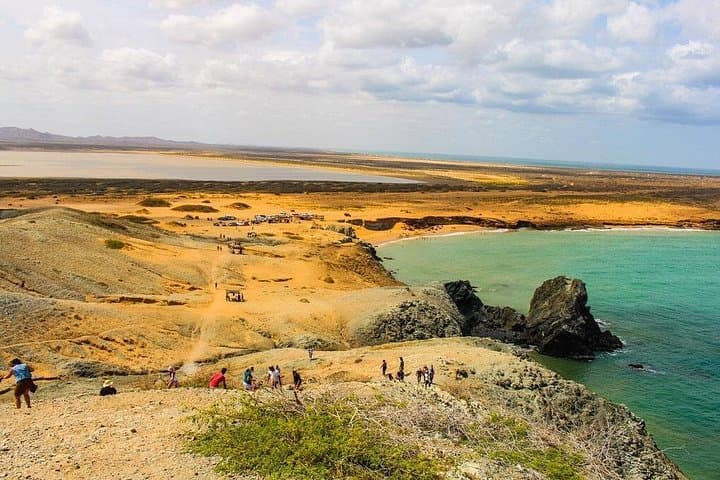
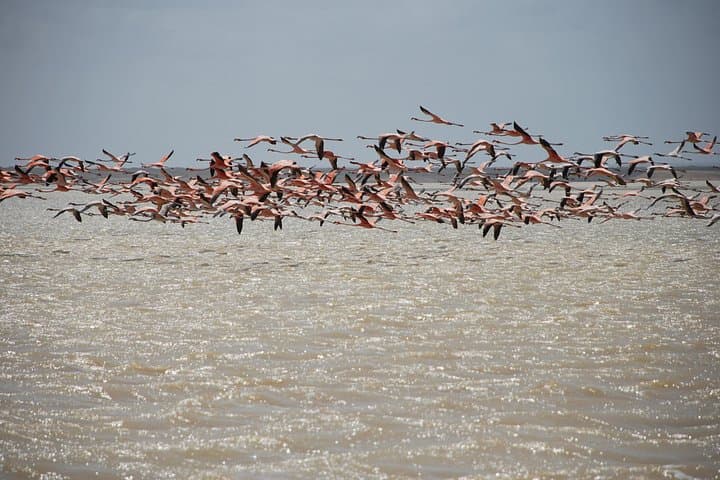
The Manaure Salt Flats Ecological Zone, located along the Caribbean coast in the La Guajira Peninsula of Colombia, is one of the largest coastal saline wetlands in the country. Spanning several thousand hectares, these salt flats represent an arid and hyper-saline environment shaped by tidal influences and evaporation. The landscape is dominated by extensive salt pans, shallow lagoons, and sparse vegetation adapted to extreme salinity and aridity. Ecologically, this zone supports specialized flora such as halophytic plants and is an important habitat for migratory and resident bird species, including flamingos, herons, and pelicans. The salt flats have been an integral part of the Wayuu indigenous culture for centuries, supplying salt as a valuable resource with traditional harvesting methods still in practice.
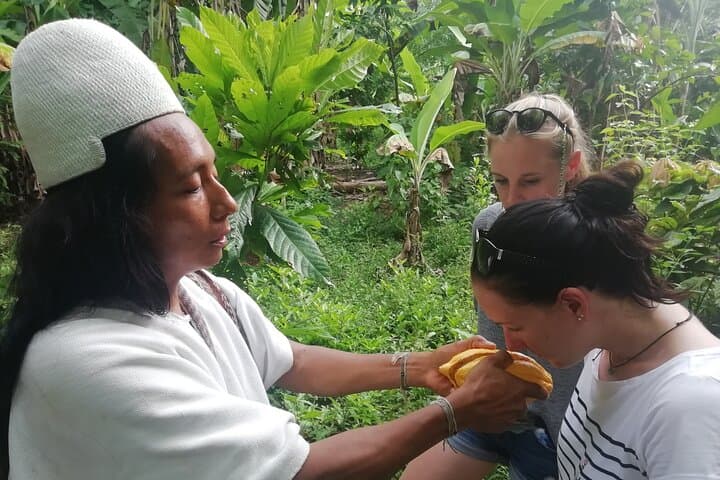
Though access can be limited to protect its delicate environment and industrial uses, visitors are drawn to the zone for birdwatching, nature photography, and cultural tourism experiences with local communities. The interplay of natural beauty and human activity makes it an important area for ecological study as well as sustainable tourism. Nearby villages offer insight into salt extraction heritage and indigenous crafts. While not a conventional recreation area like a national park, the Manaure Salt Flats provide a unique glimpse into a rare ecosystem shaped by both nature and tradition.
Visitors to the Manaure Salt Flats should respect the ecological sensitivity and cultural significance of the area. The zone's stark, open vistas and striking wildlife sightings contribute to its appeal for outdoor enthusiasts seeking off-the-beaten-path nature encounters in Colombia's Caribbean region.