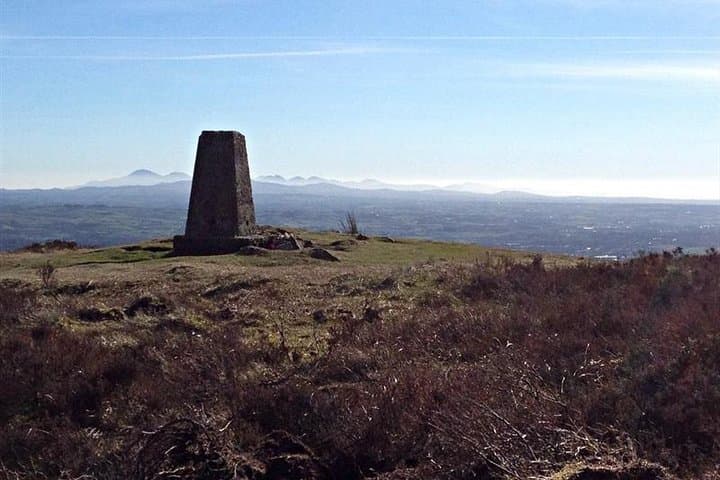
Wilderness Landscape & Natural Heritage
Lough Neagh, located in Northern Ireland, spans approximately 151 square miles (39,000 hectares) and holds the distinction of being the largest freshwater lake in the British Isles. The lake and its surrounding wetlands provide critical habitats for a diverse range of flora and fauna, including internationally important populations of migratory birds such as the Greenland white-fronted goose and various species of wildfowl and waders. Its shallow waters support aquatic vegetation and fish species including brown trout and Arctic char. The site was designated a Ramsar Wetland of International Importance due to its exceptional role as a migratory bird refugium and its complex wetland ecosystems including marshes, reed beds, and mudflats. Historically, Lough Neagh has played a role in local communities’ livelihoods through fishing and peat extraction, and continues to support a mix of traditional and recreational uses. Visitors are drawn to opportunities such as birdwatching, angling, and boating. Nearby heritage sites and small towns provide cultural context and amenities. The area appeals to wildlife enthusiasts and outdoor recreationists seeking to experience a unique wetland environment recognized for its ecological value at both a local and international level.