Wilderness Landscape & Natural Heritage
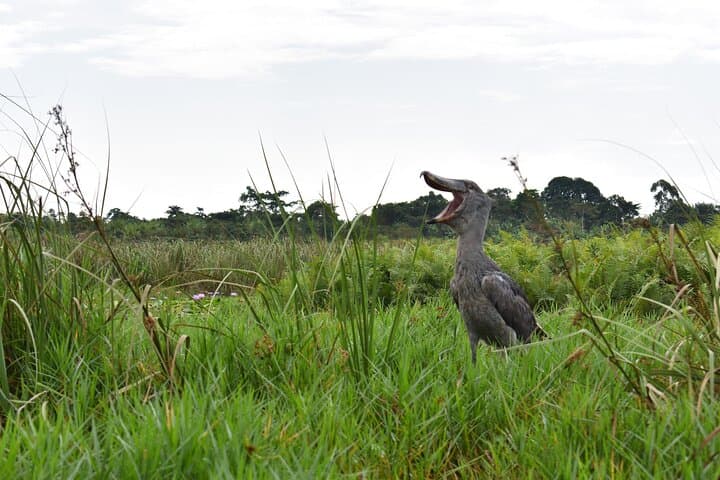
The Lake Victoria Ramsar Wetlands are internationally recognized wetlands located around the perimeter of Lake Victoria, the largest tropical lake and the second-largest freshwater lake by surface area in the world. Spanning parts of Kenya, Uganda, and Tanzania, these wetlands include papyrus swamps, floodplains, and marshes that support a rich abundance of biodiversity. The wetlands serve as crucial spawning and nursery grounds for the lake's famous fish species, including the Nile perch and tilapia, and provide habitat to numerous bird species, such as the African fish eagle, papyrus gonolek, and various migratory waterfowl. Additionally, the wetlands act as natural water filters, improving lake water quality and supporting local fishing communities. The area has cultural and economic importance for surrounding populations who rely on fishing, small-scale agriculture, and sustainable resource use. Visitors are drawn to the region for birdwatching, guided boat tours through papyrus swamps, traditional fishing demonstrations, and experiencing remote village life alongside the lake. Various protected areas within the wetlands operate under international Ramsar conventions to encourage conservation and wise use of the fragile ecosystems. Despite human pressures from agriculture, pollution, and invasive species, the region remains a vital natural asset for East Africa, combining rich biodiversity with opportunities for eco-tourism and scientific research.